One of the architects of the trail was Myron Avery who also happened to be a Mainer. He helped to ensure that the trail, when heading northbound, ended in Maine, which has 281 miles with some of the best trail, views, woods, and lakes the entire AT has to offer. Maine is pretty fantastic!


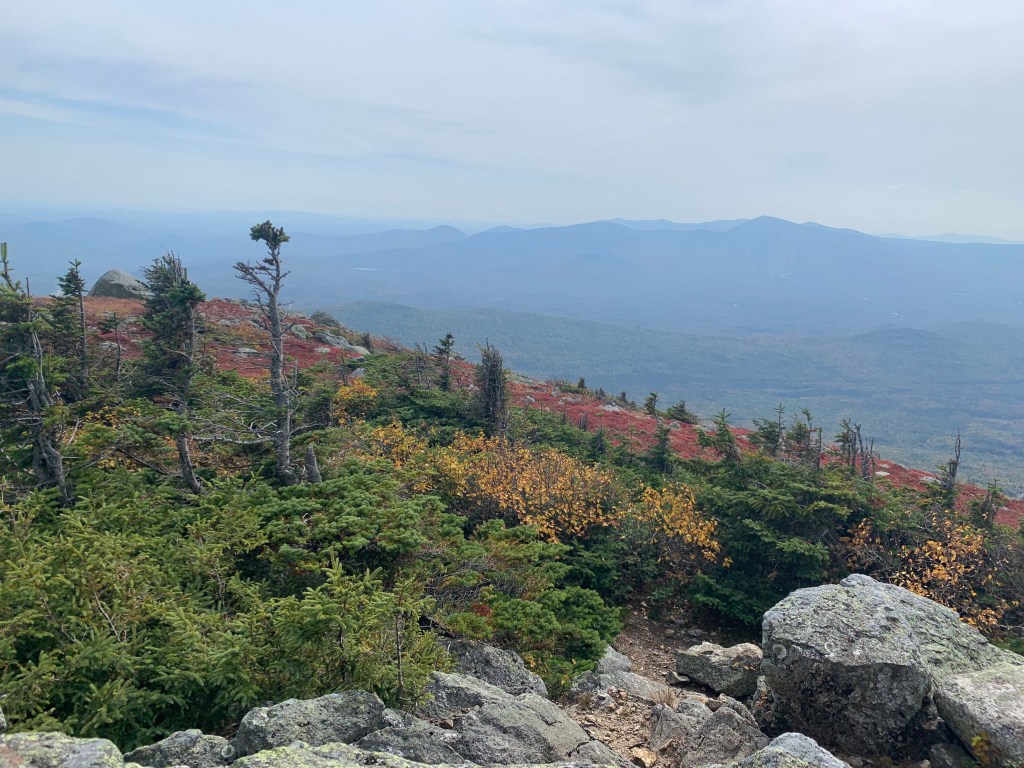
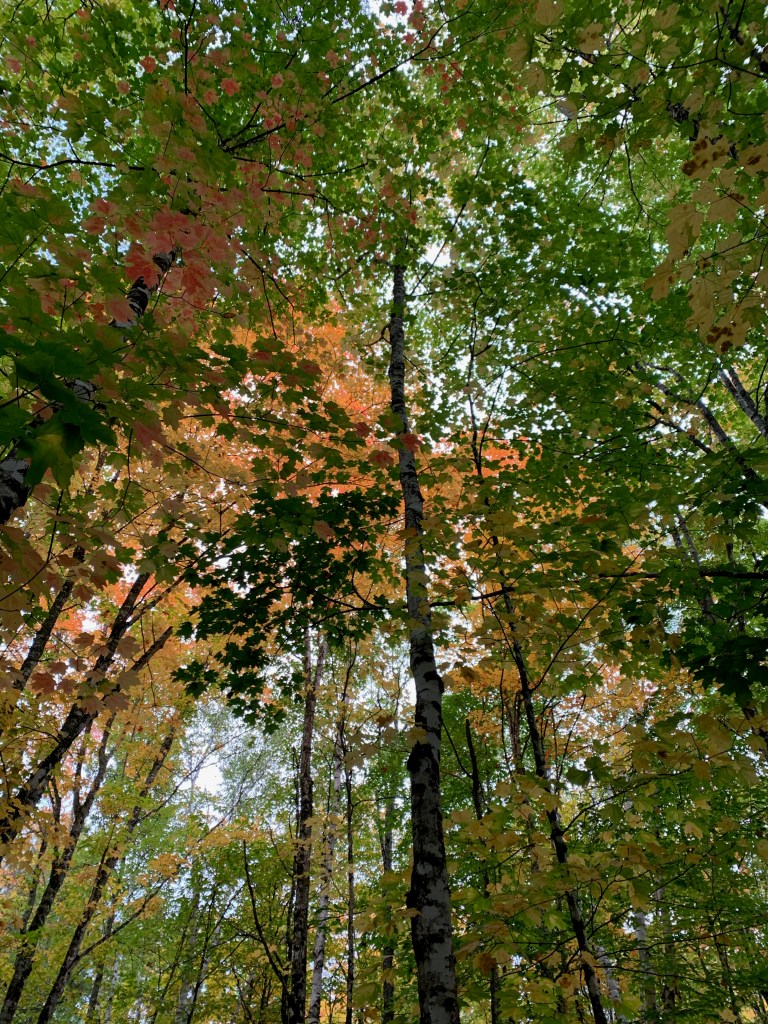
We arrived in our fourteenth and final state on September 7 a bit battered from our hike through the Whites. We’d heard a lot of trail talk about how challenging the first couple of days in Southern Maine would be, and so we braced ourselves for Mahoosuc Notch “the hardest mile on the trail.”
If you’ve read John’s post on Pennsylvania, you are familiar with our rock rating system. Mahoosuc Notch felt like a 4++: a pure scramble across, up, and underneath boulders at the base of a mountain. Additionally, we had heard repeatedly, “don’t do it in the rain!” and of course there was a cold drizzle when we set out that morning.


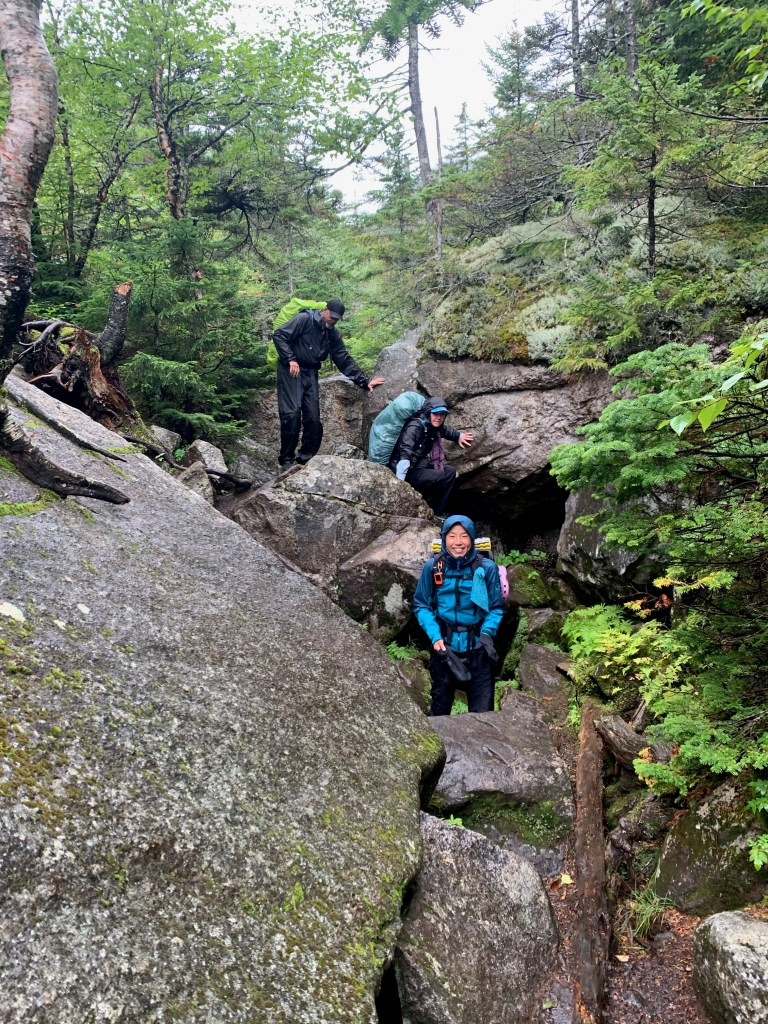
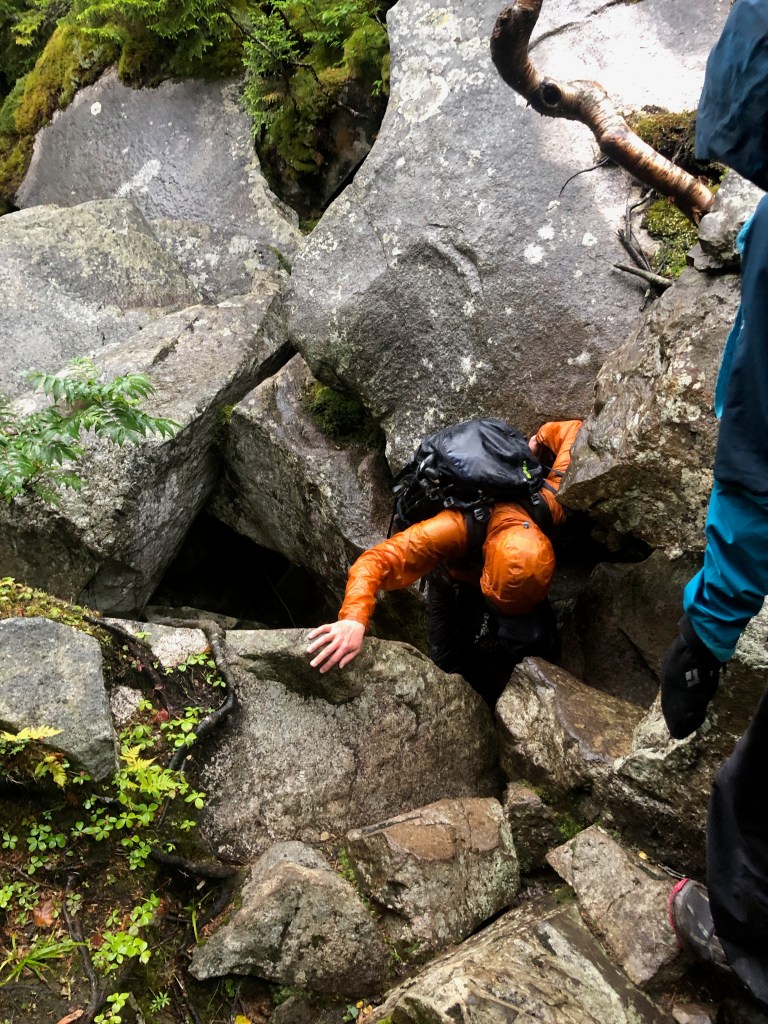
We were still hiking with Tadpole and Survivor and ended up having a good (albeit tiring) day of very challenging hiking. The bulk of Mahoosuc Notch felt like a rock jungle gym. We spotted each other, helped move backpacks through narrow crevices, and worked together slowly through the Notch. The total mileage for the day was 9.7 miles, and it probably took us a solid 11-12 hours to get through the Notch, up the Arm, and up and down Old Speck. Hands down: the most physically challenging day of hiking.
It helped to know that we had an eight day respite from the trail. We planned to leave the trail at Grafton Notch to visit John’s parents in Atlanta and then attend a wedding in Minneapolis. (This was our second trip off-trail; we also spent two days in DC when we arrived in Harpers Ferry.) This time we left our backpacks and poles at The Cabin, a hostel in Andover Maine.

Traveling light 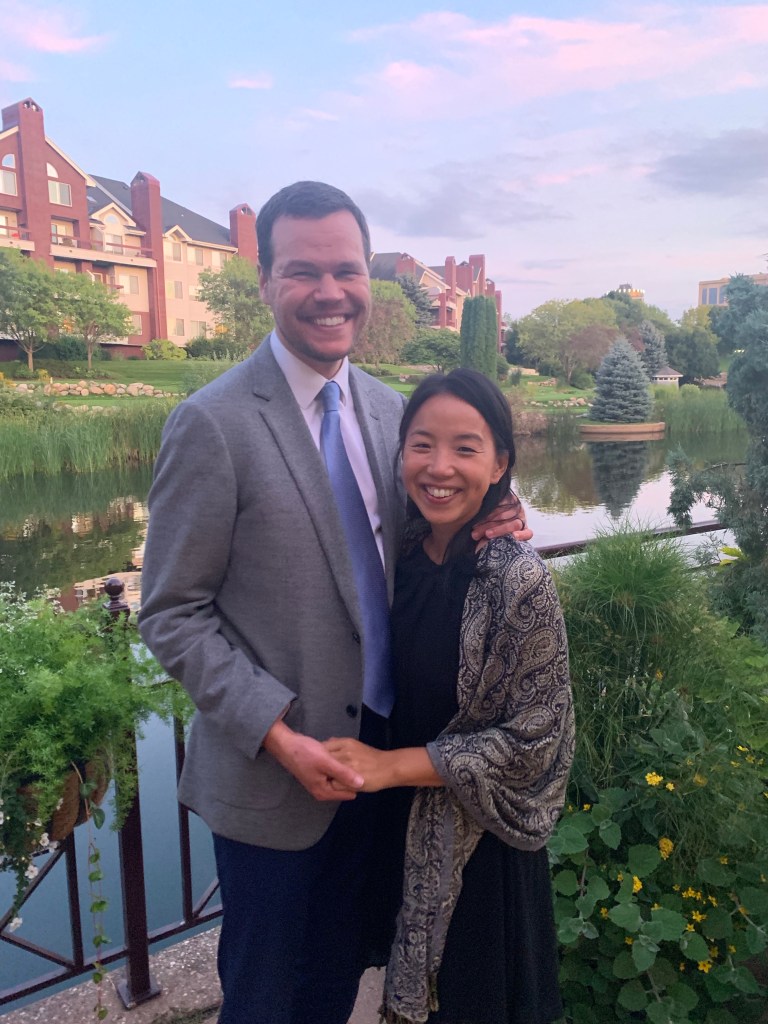
All cleaned up for Christie and Abe’s wedding
We welcomed the break from the tough terrain. We both had a cold and slept even more than on trail while we were in Atlanta and St. Paul. By Day Five, though, we were ready to return to the trail, especially knowing we had one of the best stretches of trail ahead of us.
When we returned from the trail, we enjoyed a couple of days staying at and slackpacking (day hikes) from The Cabin, which turned out to be one of our favorite hostels on trail. Honey and her late husband Bear have hosted hikers for years, including AT celebs like Earl Schaffer. Honey’s brother was deeply involved in creating the trail in Maine as we know it today. And Hopper knew the trail better than anyone we had met on trail. She could tell us exact spots to get cell reception so we could call them and have a just in time pickup at the trailhead. The two of them made hiker hunger sized dinners and breakfasts and seemed genuinely invested in the hiking community and each thru-hiker who visited them. We also met Odie, of AT yearbook fame, who was helping out for a few days.


Also, at this point, we didn’t have many more days that were as challenging as our Mahoosuc Notch / Mahoosuc Arm / Old Speck day. We did decide that we wanted to finish in time for John’s Tuck reunion, which started on October 4th. We made two plans: one for finishing on October 2 and one for October 3rd. It involved no days off, some 18+ mile days on easier terrain, some 15-17 mile days with a fair amount of elevation gain. Everything is relative on the Appalachian Trail, though, and I have to say that most of these days still felt like a relief after the Whites and Mahoosuc.

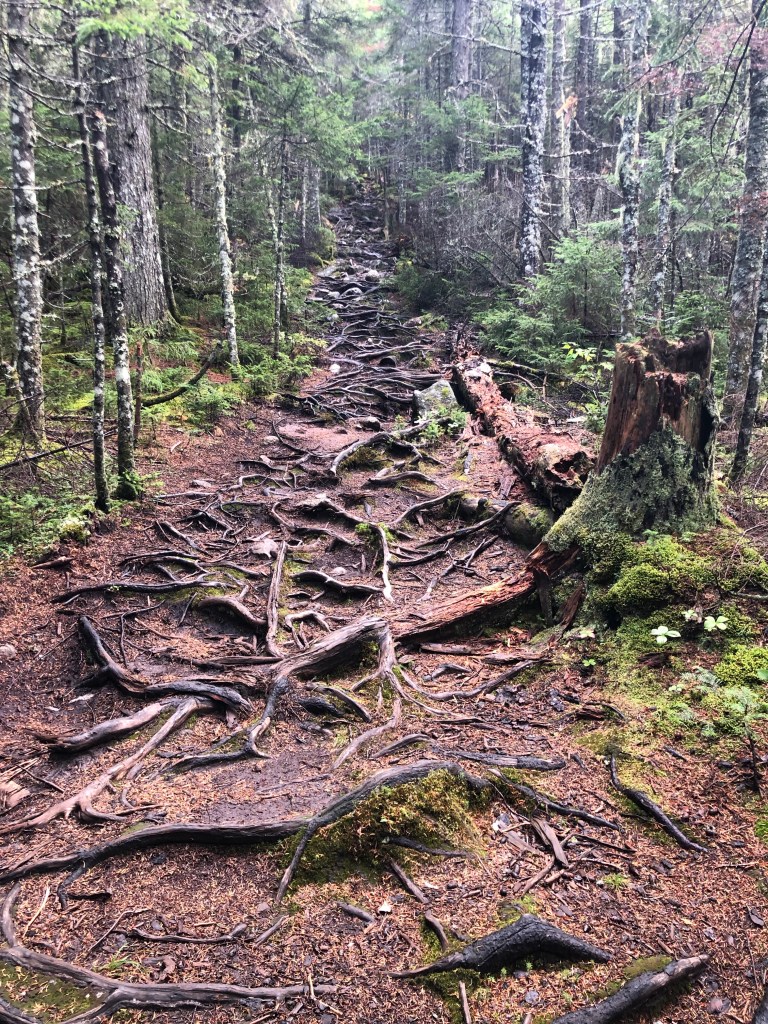
Maine has a number of lakes, ponds, streams, and rivers. We camped one night on Eddy Pond with the hope we’d spot a moose at dusk or dawn, but had no luck.

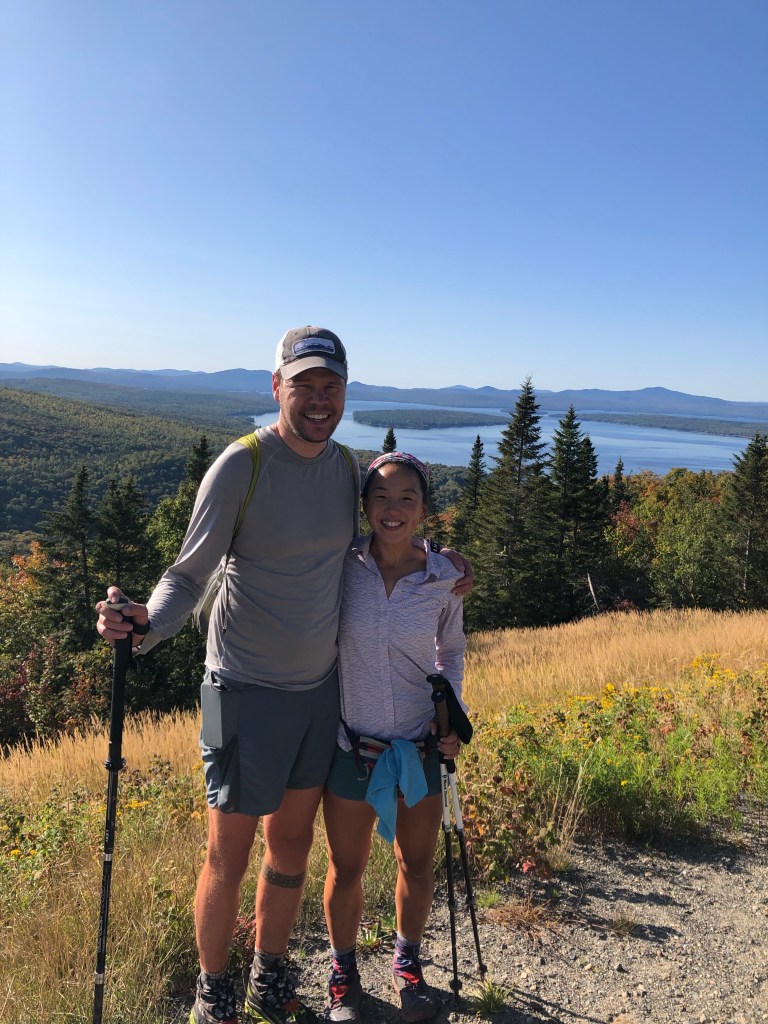
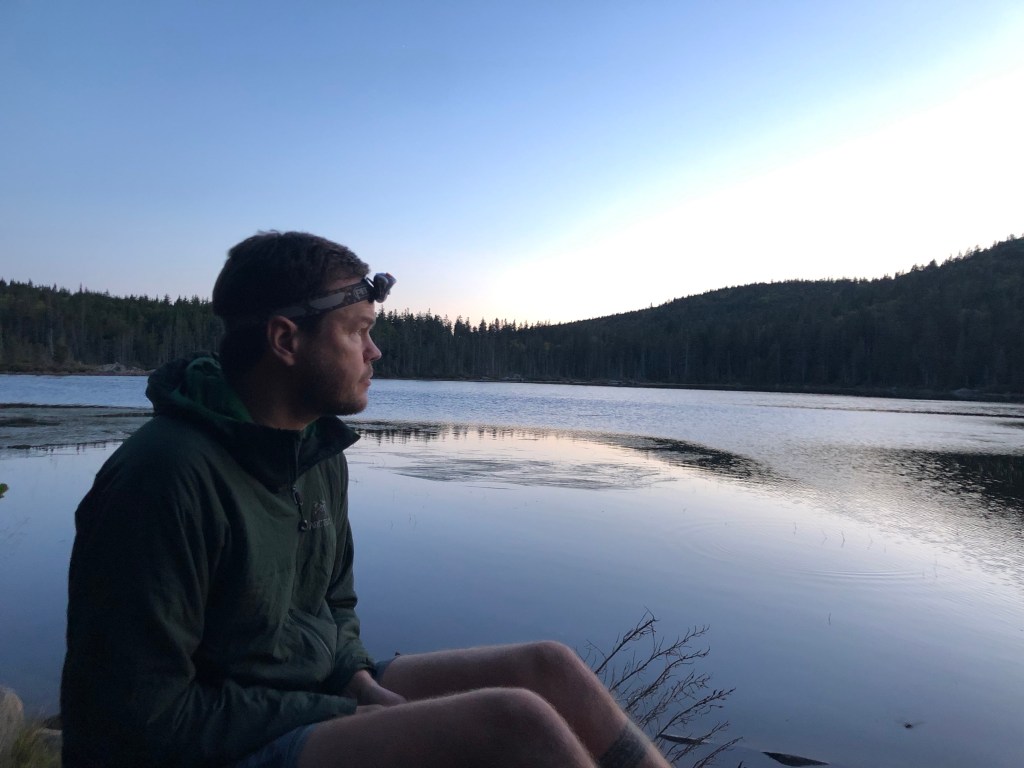
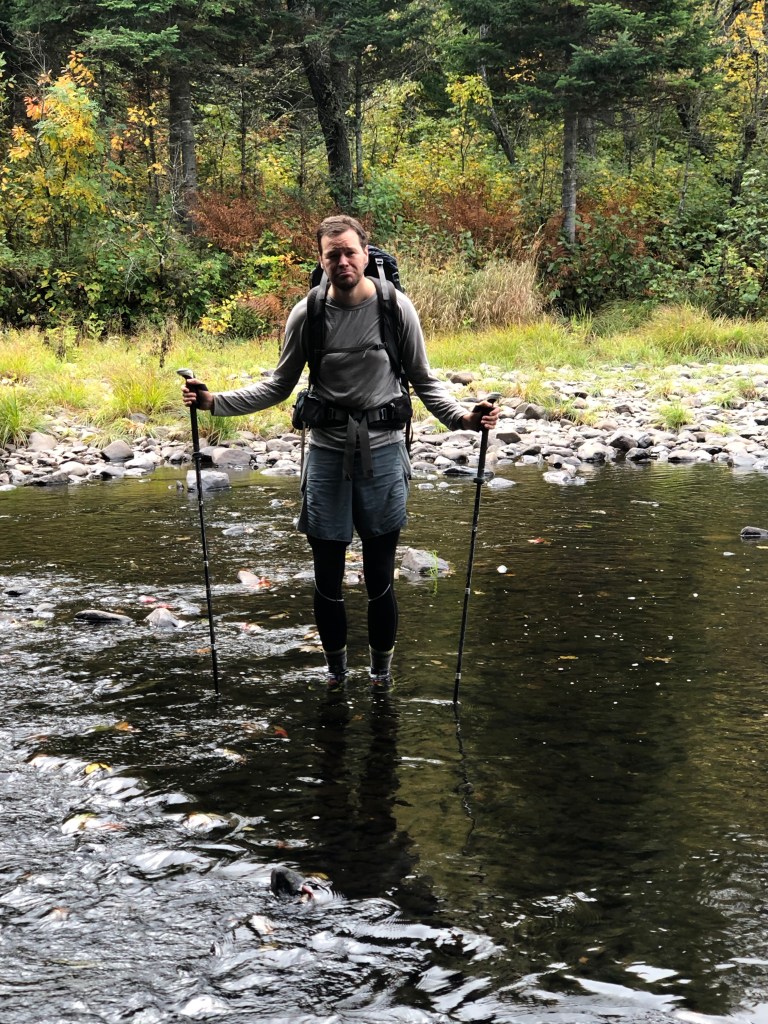

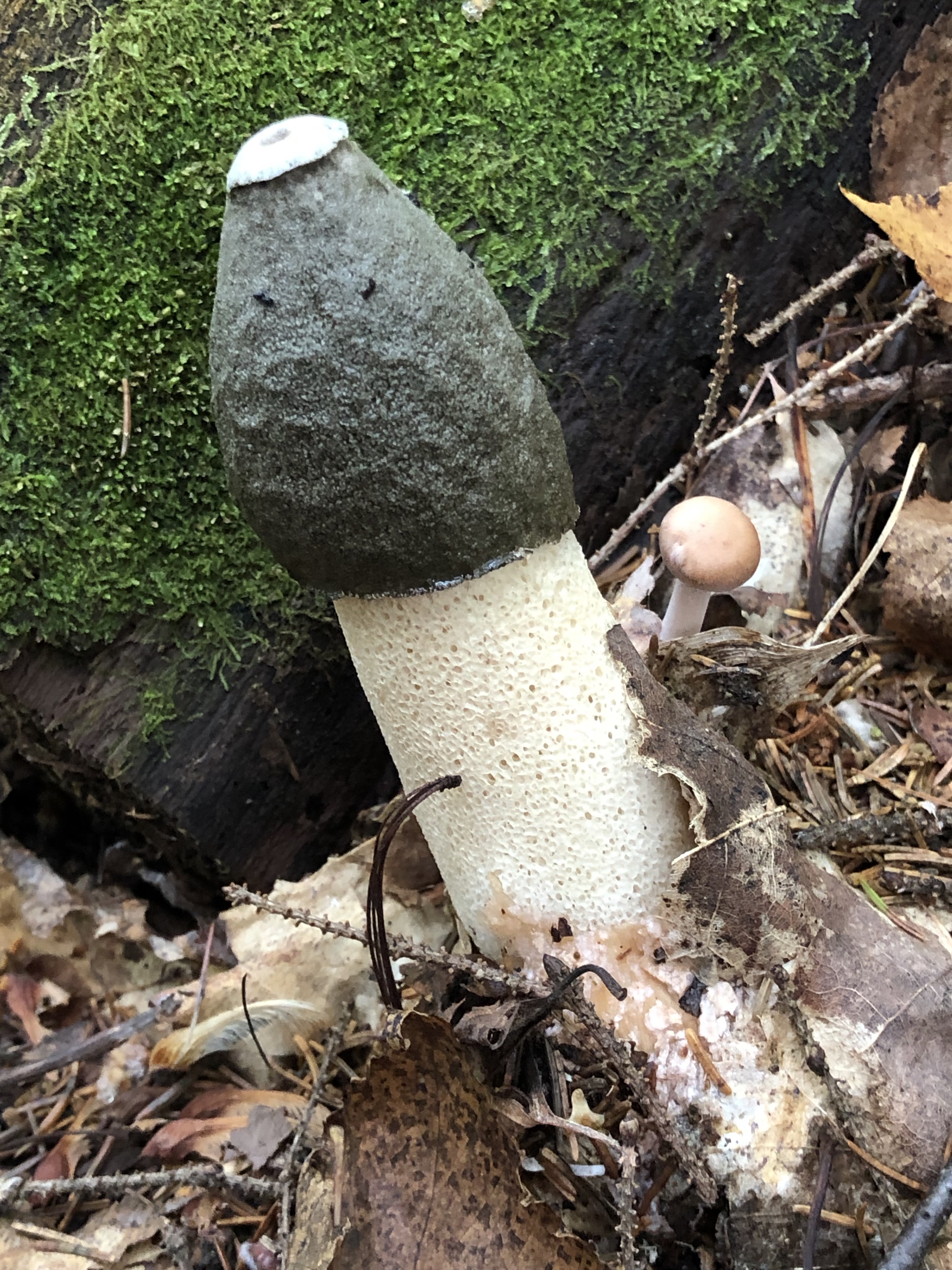
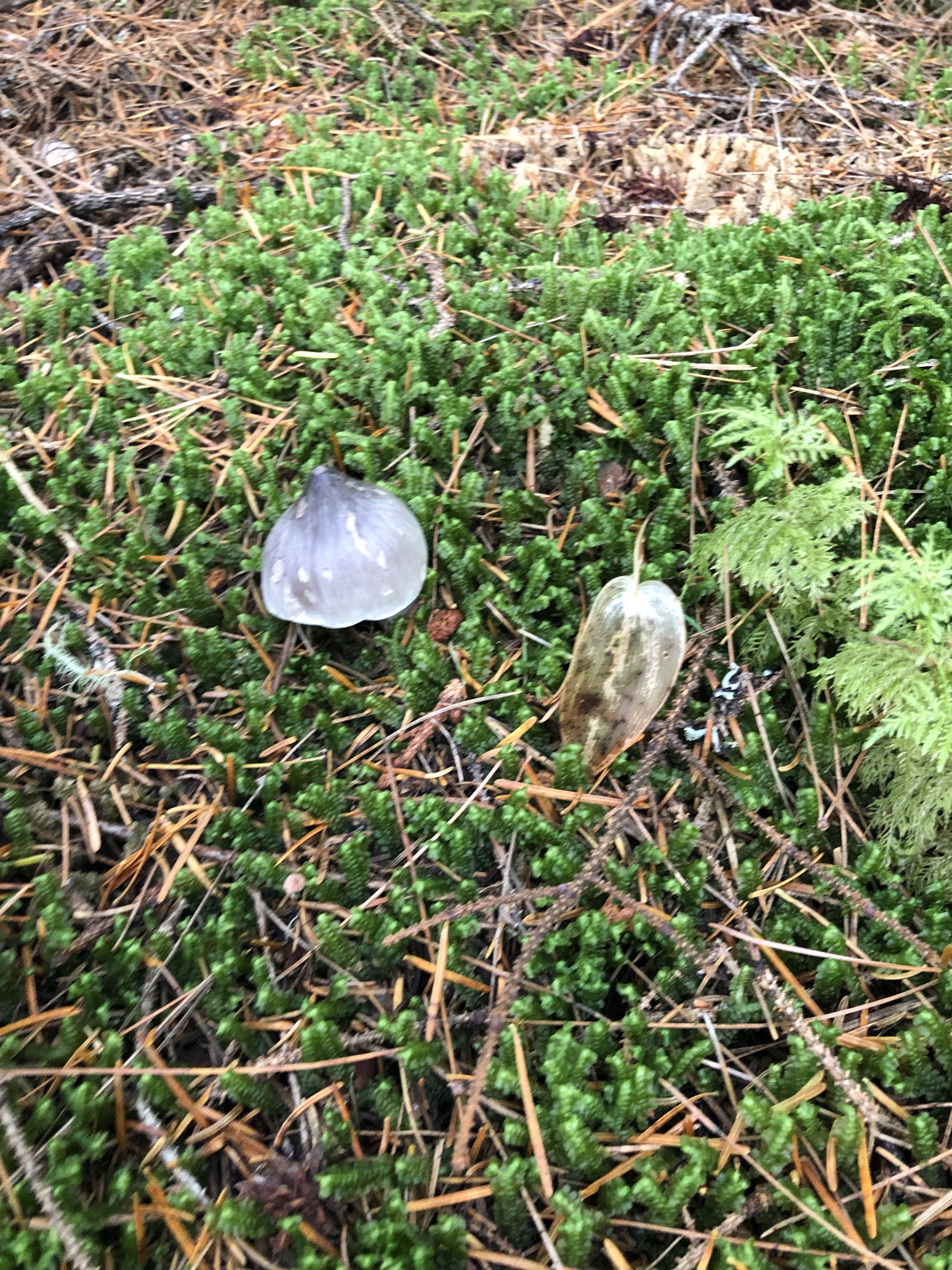
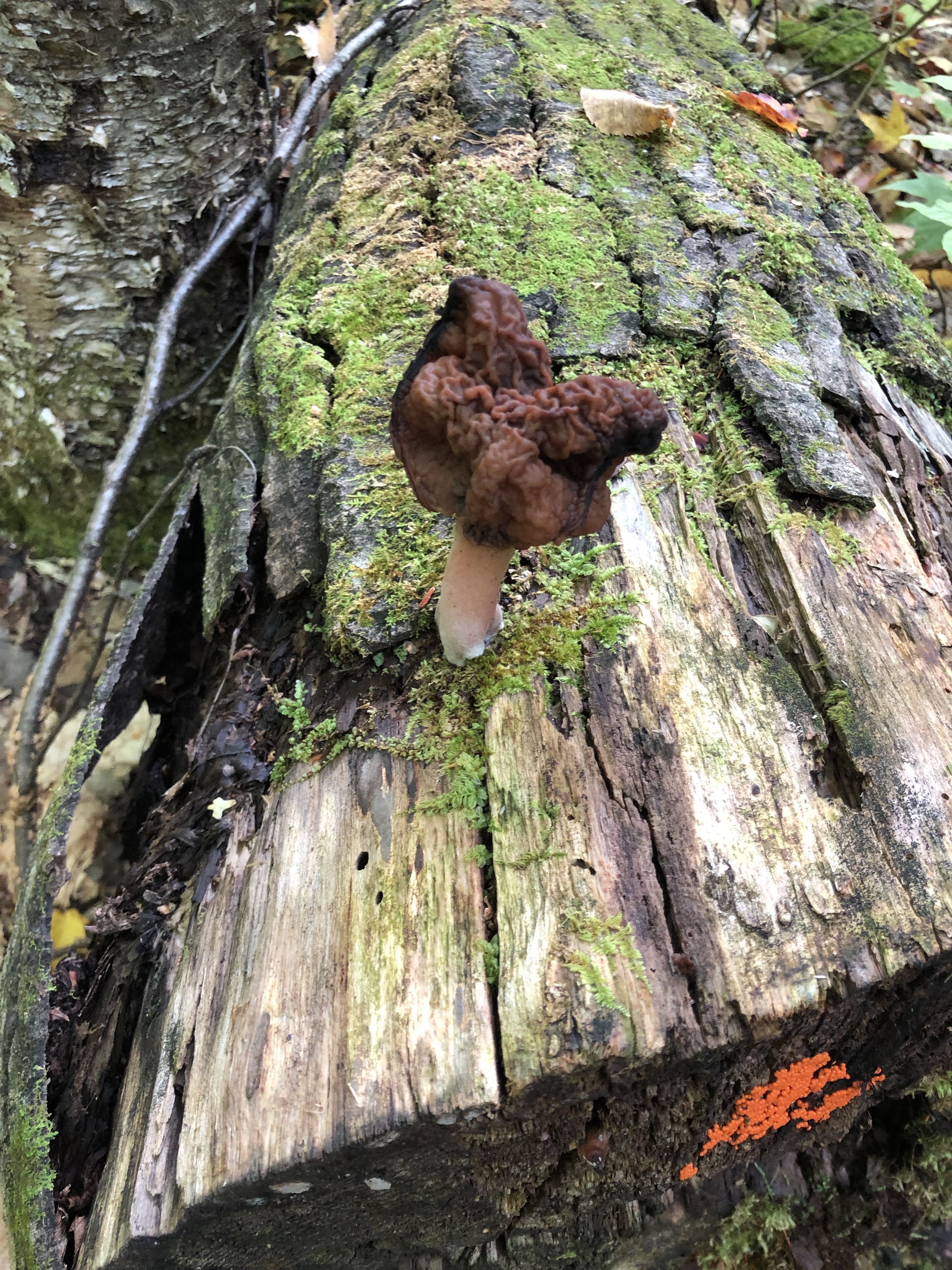
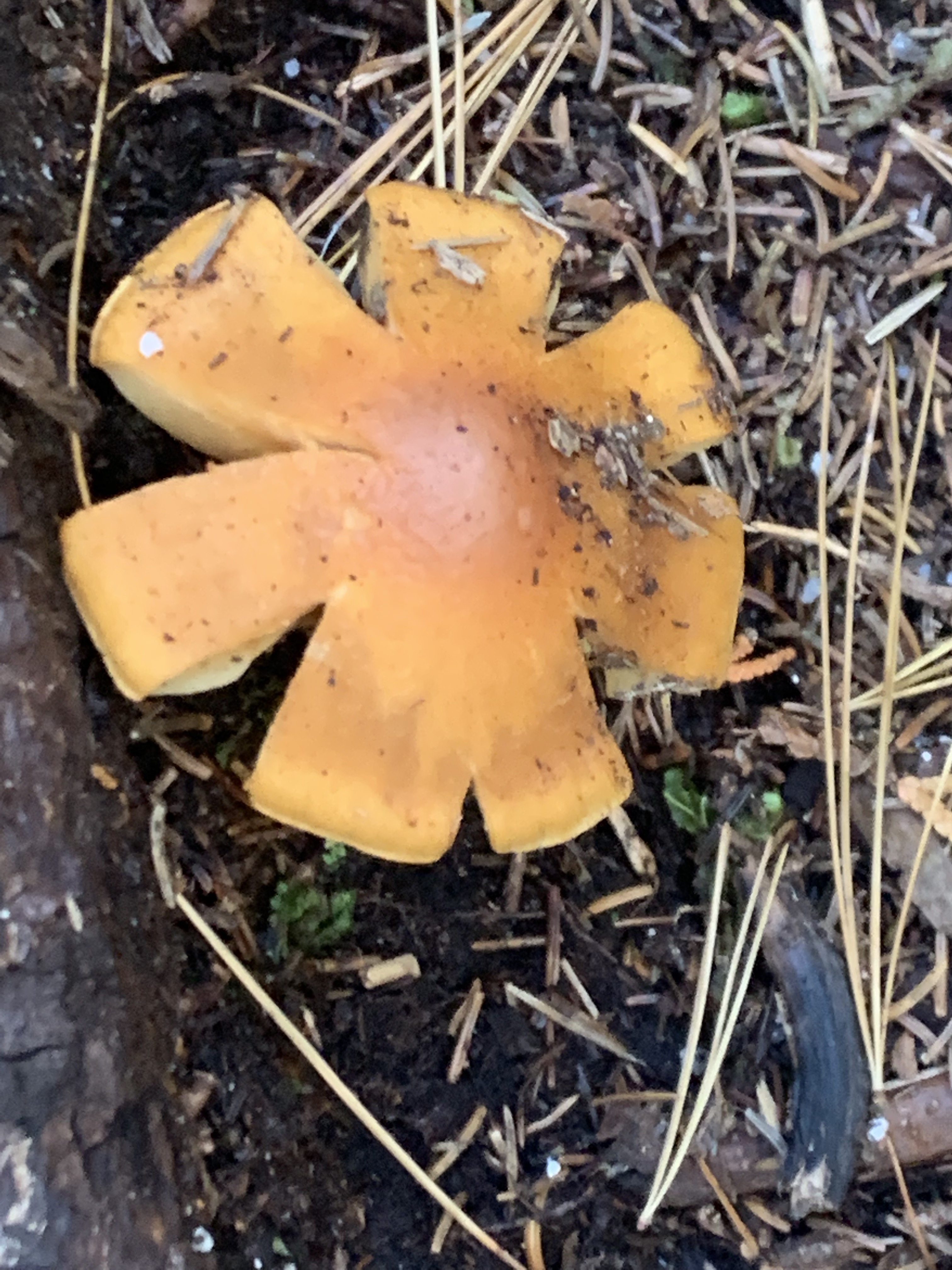
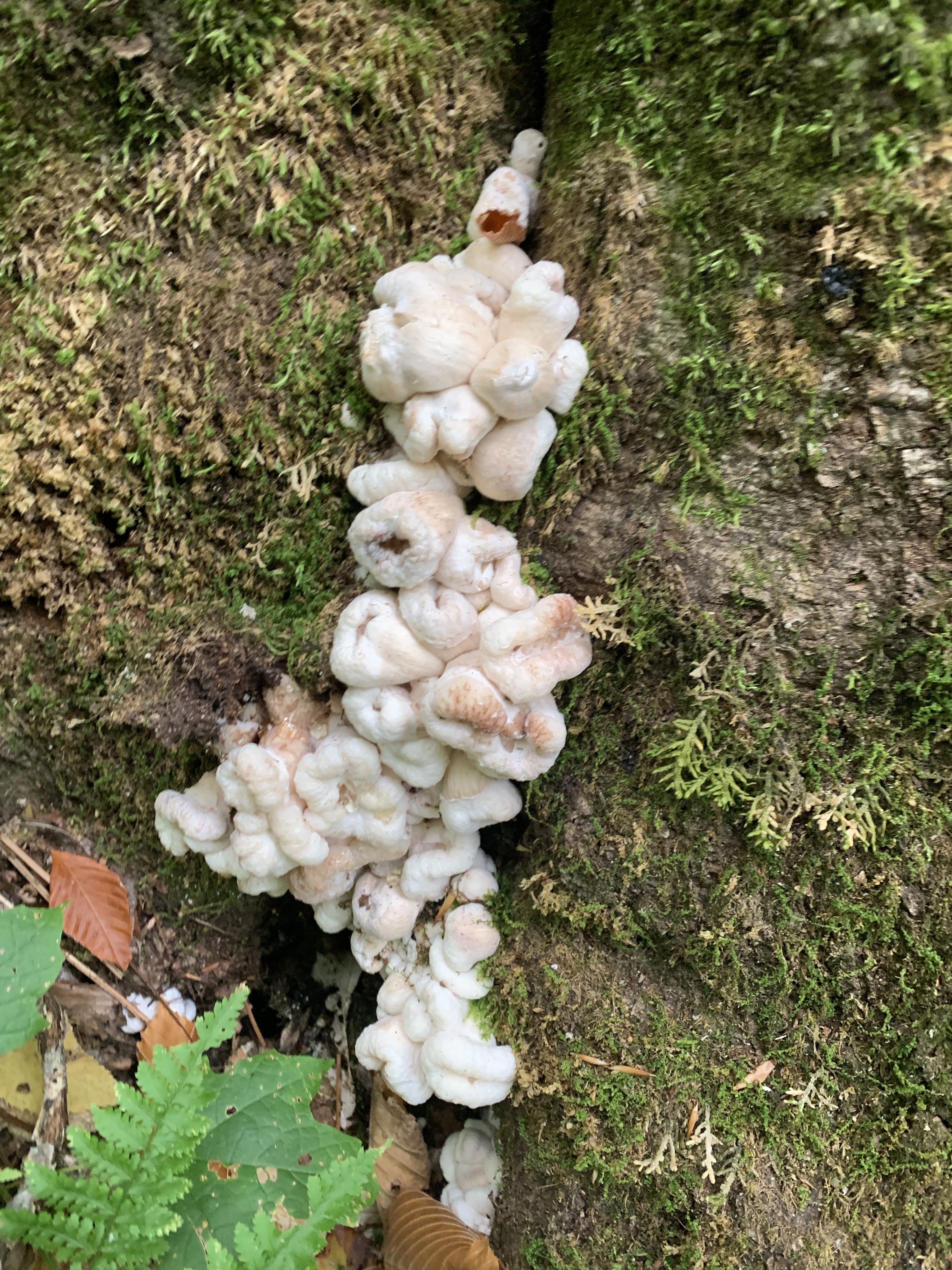
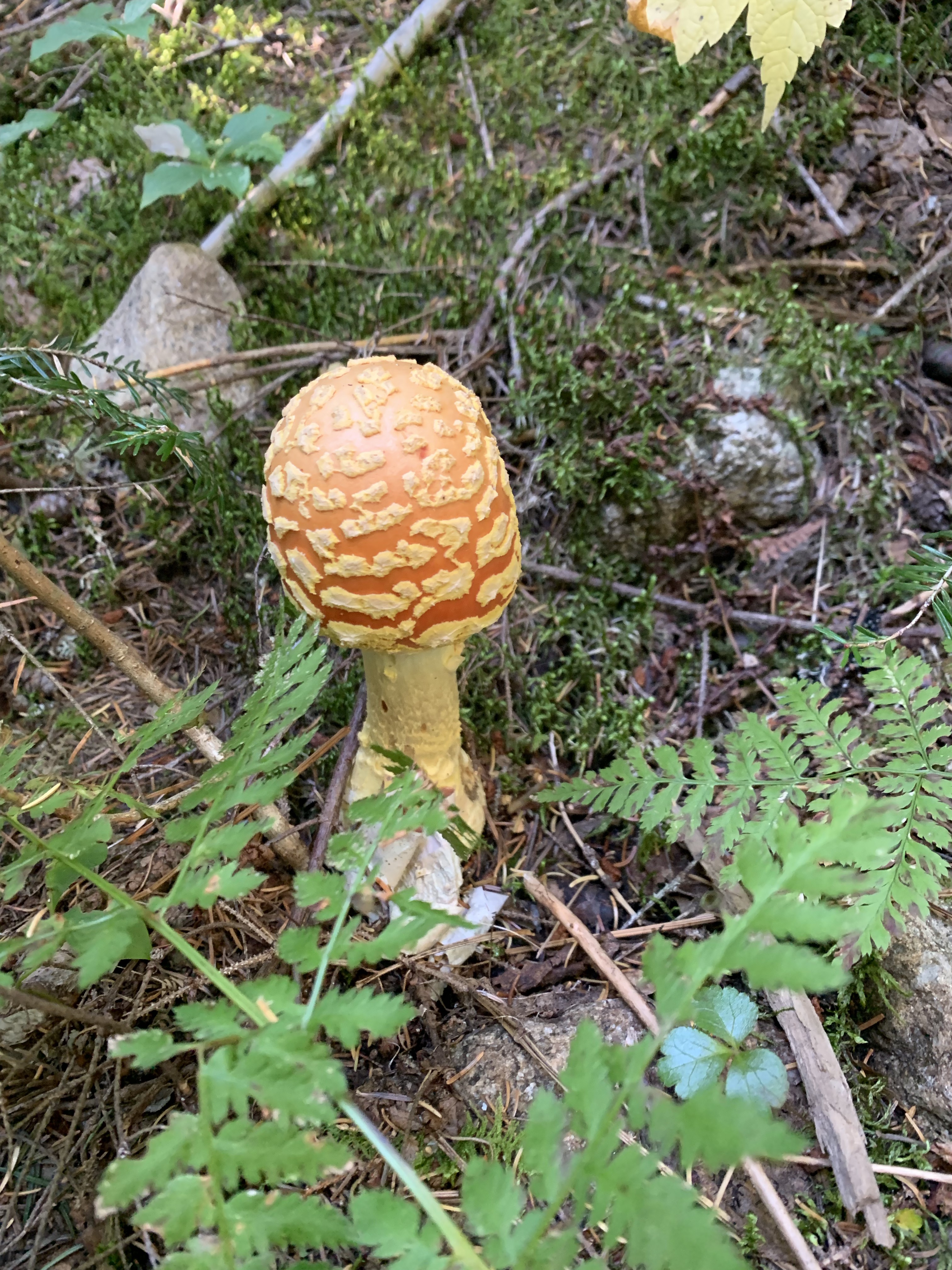
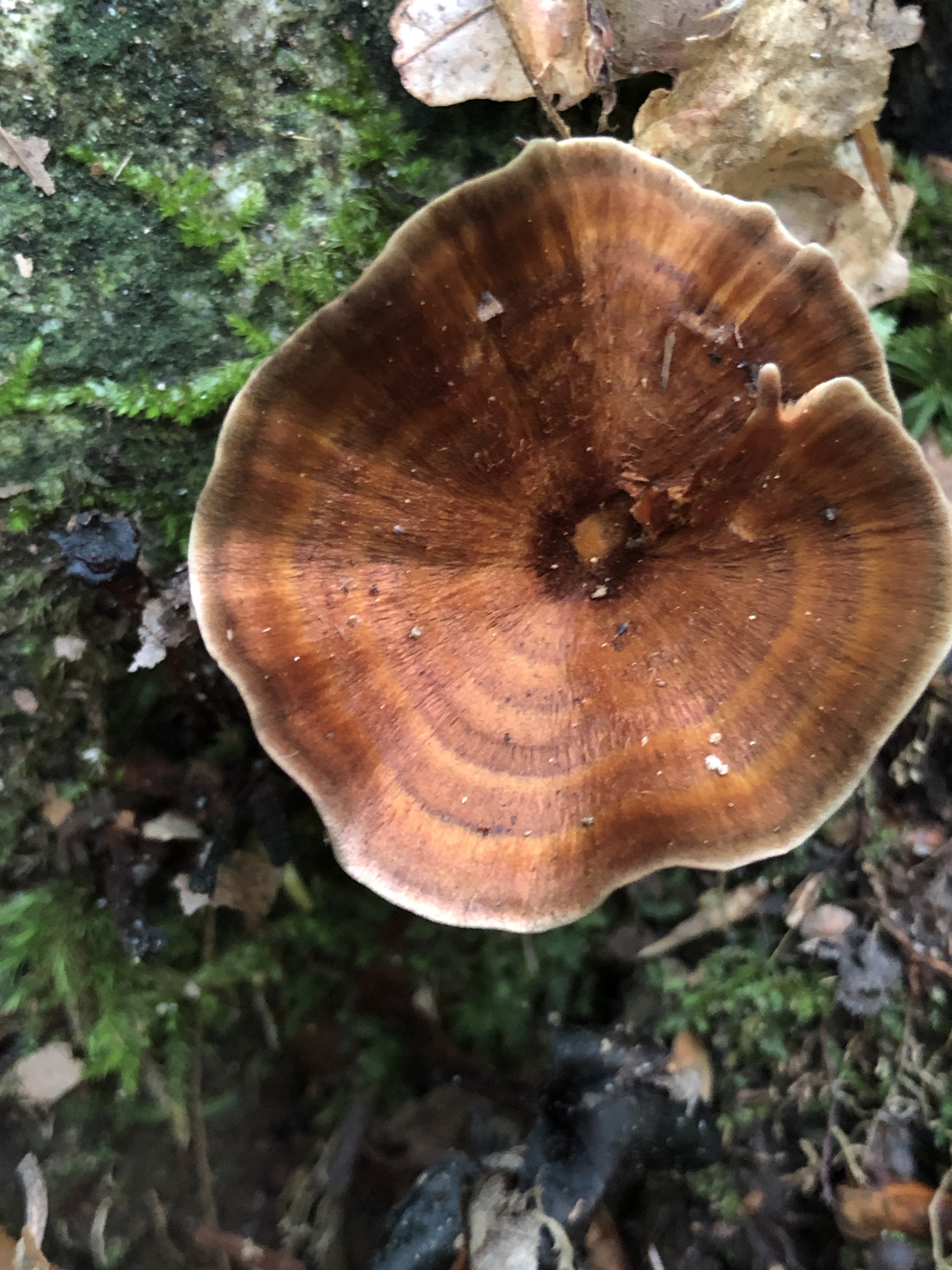
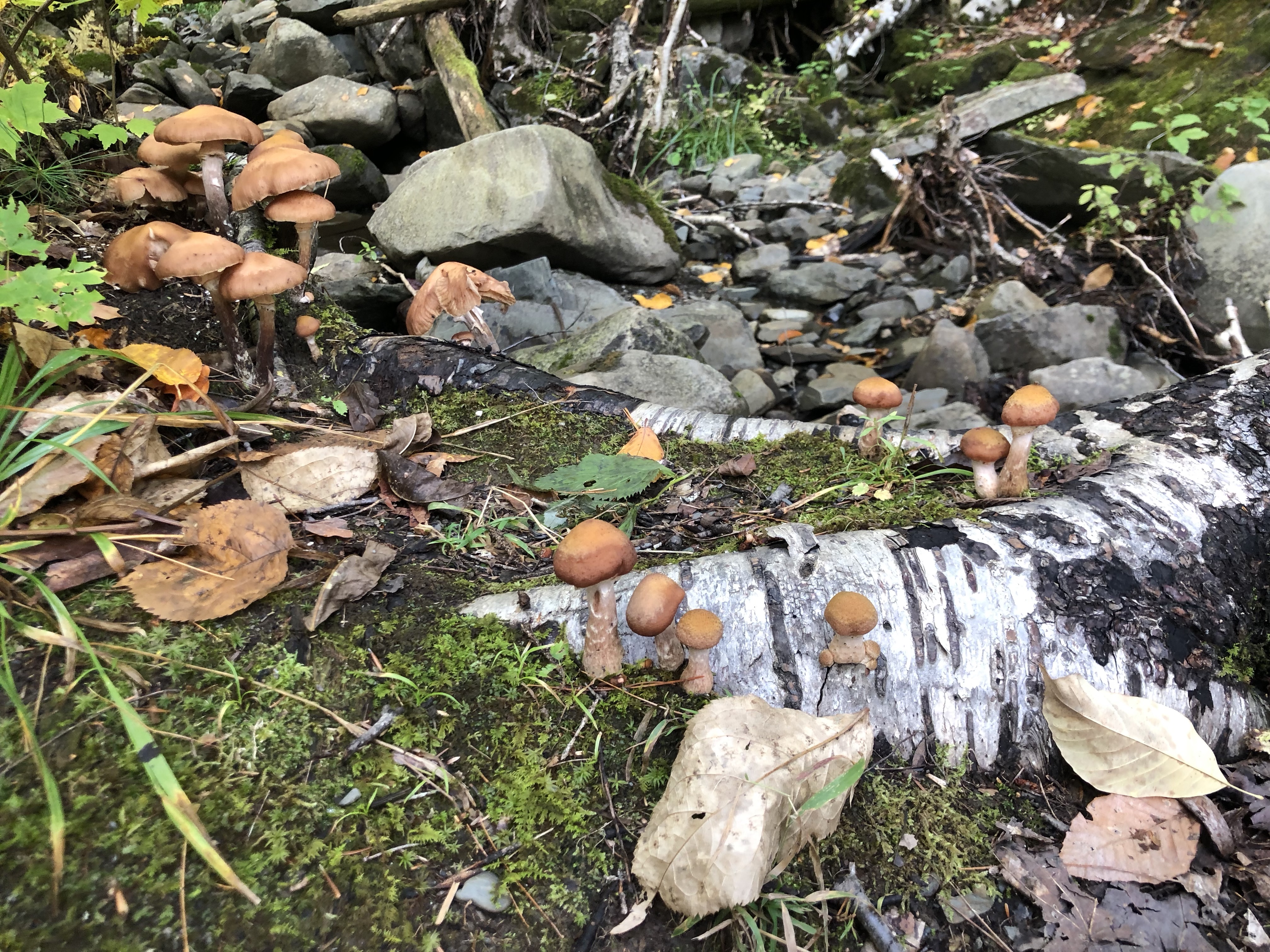
People often ask us where we’d recommend they “try out” the Appalachian Trail. And I’d say, most of Maine is worthy. Specifically, a weekend hike over the Bigelows or a longer section like the 100 Mile Wilderness in 7-9 days would be a spectacular introduction to the trail. We were in Maine in September when it was cooler, few to no bugs, and the autumn colors were beginning to pop – an ideal time to visit Maine. Also, fungi is at its peak by in the fall.






Other things started to feel real when we arrived in Monson, Maine, the last town before the 100 Mile Wilderness. This is our last resupply! Our last set of tortillas and tuna packets! Our second to last hostel! Our last mountain before Katahdin!
The 100 Mile Wilderness is the longest stretch of trail that doesn’t have a major road or town nearby. Don’t be fooled though: there are still many forest service roads used for logging that intersect with the trail. Yes, it’s pretty remote but not as remote as we thought it would be. With six days of food on our backs, we carried more food through this section than any other . . . except for at the beginning when we had that infamous jar of almond butter and didn’t yet know what we were doing. Reaching the 100 Mile Wilderness, the end becomes very tangible. 115 miles left! Just 100 miles until Abol Bridge and Baxter State Park. Beyond that, one hikes just 10-ish miles to the start of the Hunt Trail. 5.2 miles later, you find yourself at the northern terminus of the trail.
Plus, in the 100 Mile Wilderness, you can begin to get your first glimpses of Katahdin.

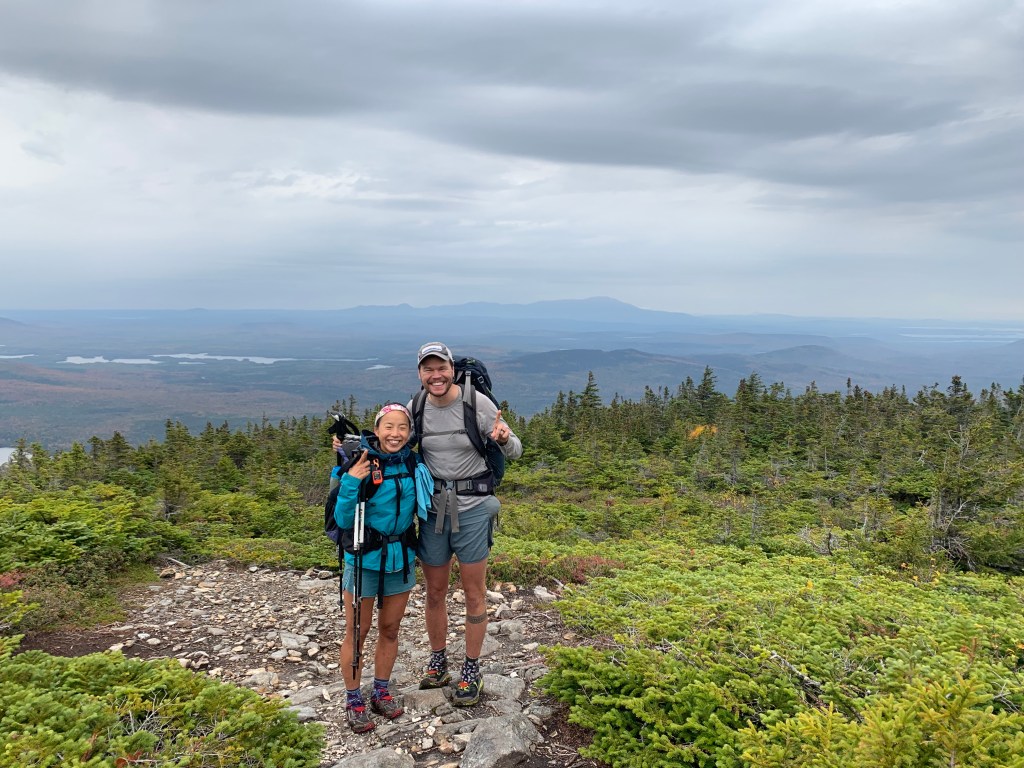
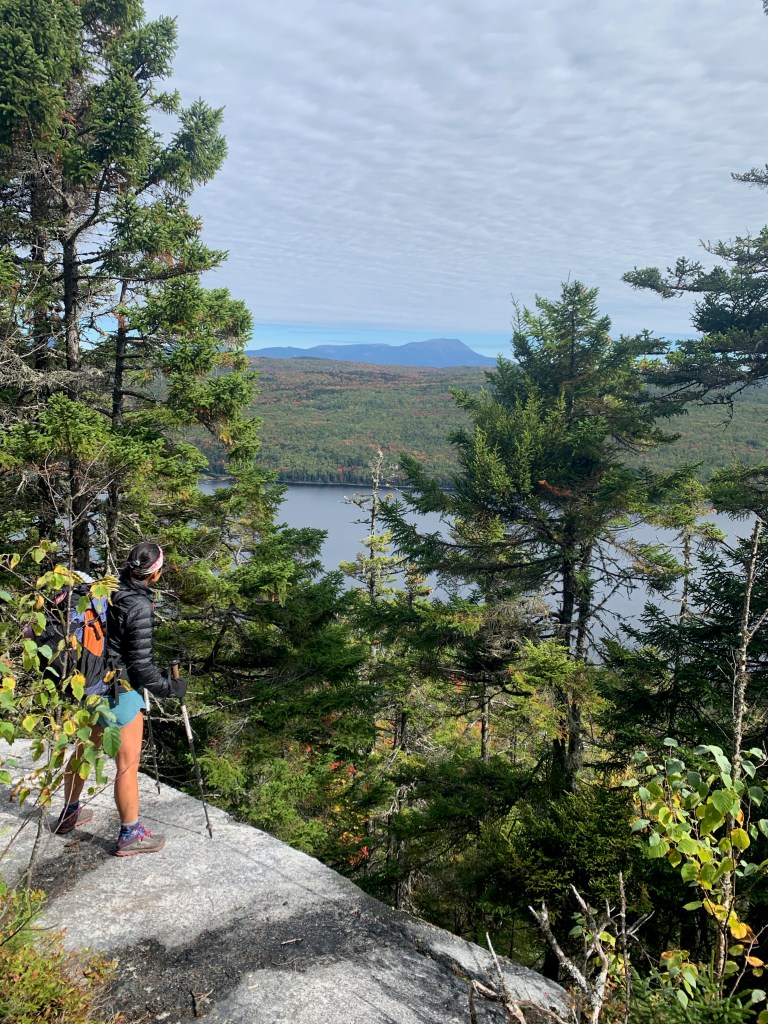
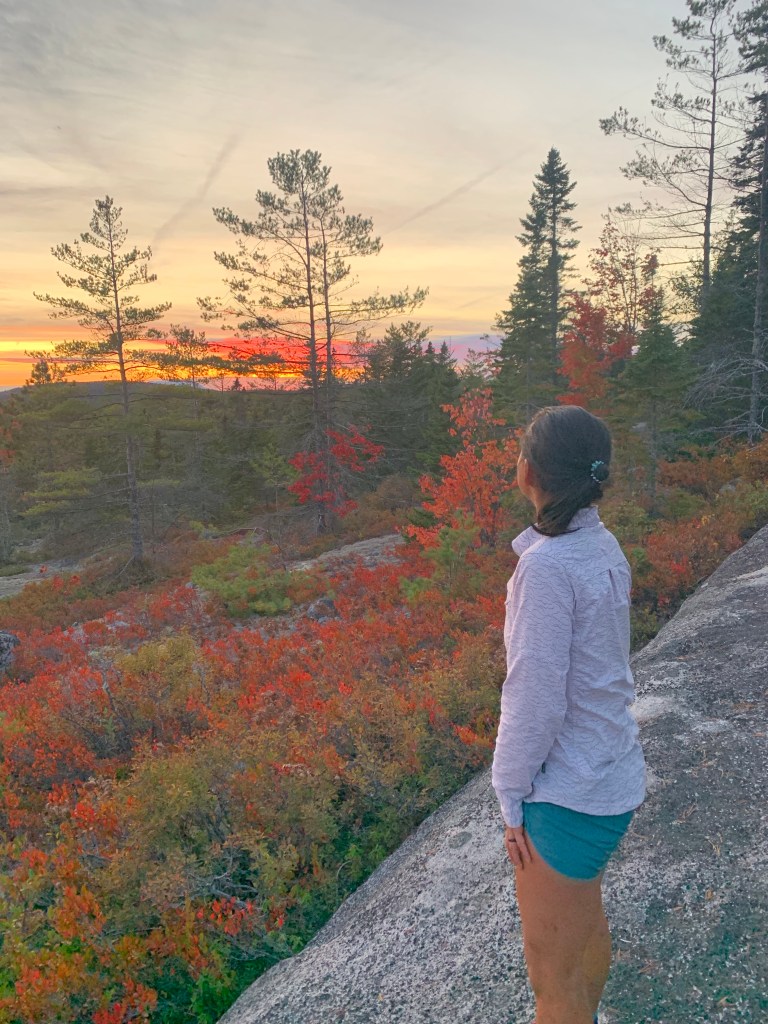
Even with all of the excitement of being “almost done,” we tried to stay focused on enjoying our last days on trail, knowing that the simplicity of the trail is one of its greatest gifts.
 Jess & John Go Hiking