Featured

Since we’ve been gone: post-trail update

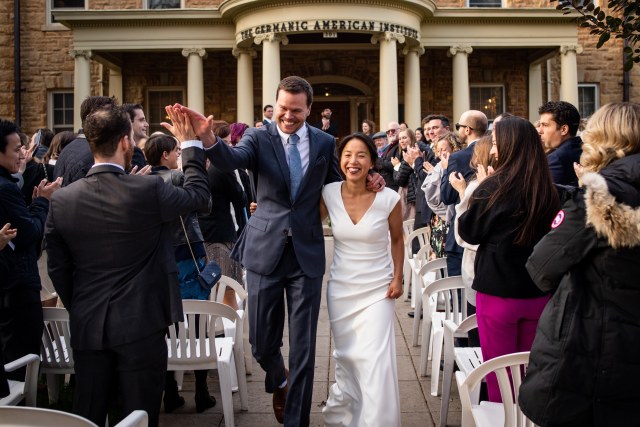
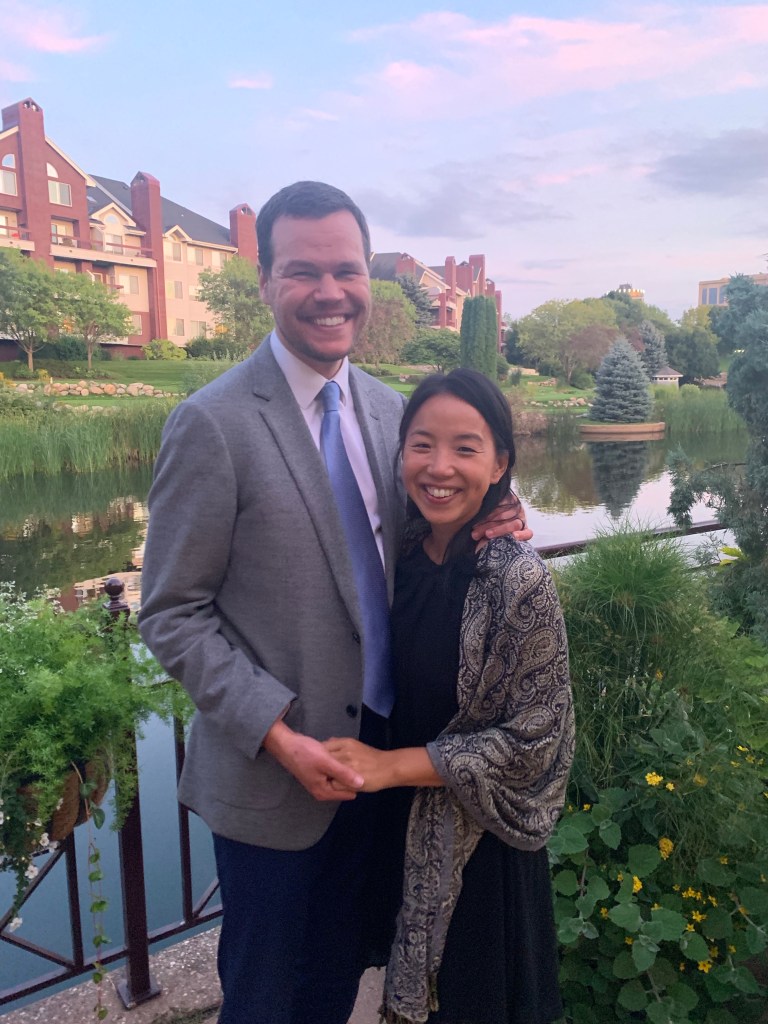
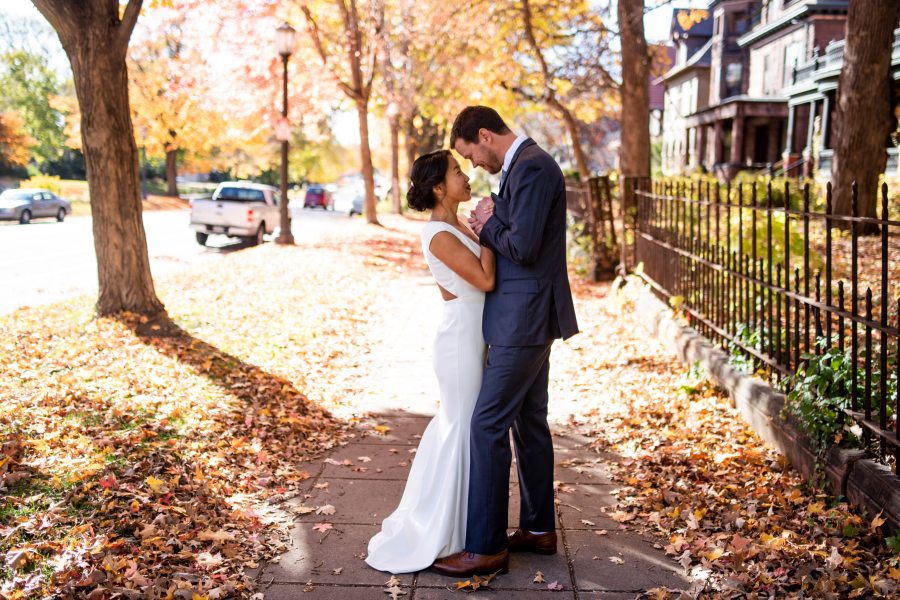
We had our wedding! John and I returned home from the trail on October 7th and had about 2.5 weeks to wrap up wedding plans. The day was chilly but warm by our Minnesota standards. Autumn managed to hang on for one grand finale weekend. Our guests came from near and far. We said our vows, exchanged rings, and then enjoyed the (seemingly way too short) night. It was a very special weekend, and we are still feeling grateful and loved by being in the presence of so many people. And yeah, it isn’t lost on me that I bought an expensive dress and wore it for a single day after wearing the same sweat-soaked clothes for five months straight.

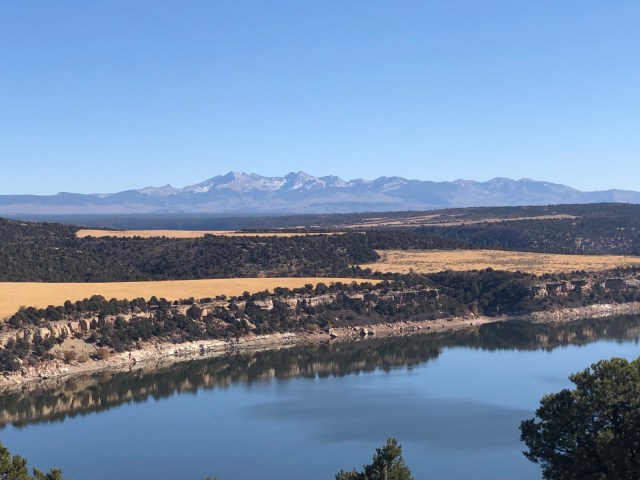
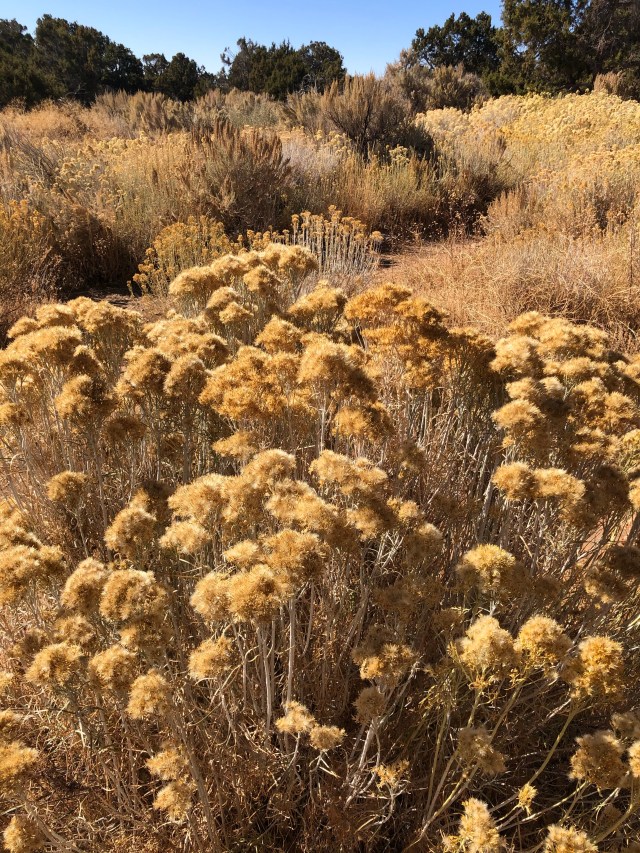
We honeymooned. Yeah, I know – wasn’t the trail enough? Nope. This time, we went to the High Desert near Durango, CO, with views of three mountain ranges, and stayed in a massive house that not only had running water and electricity but also had . . . heated bathroom floors and a teacup bathtub and a steam shower. Yup, we lived it up. But please know that we haven’t forgotten what it feels like to wake up in a 29 square foot tent and hobble a quarter mile in the dark, in the cold, to the privy where you will sit among the spiders and dead flies and try to not shine your light down the privy hole. Yeah, those experiences are experiences of a lifetime.

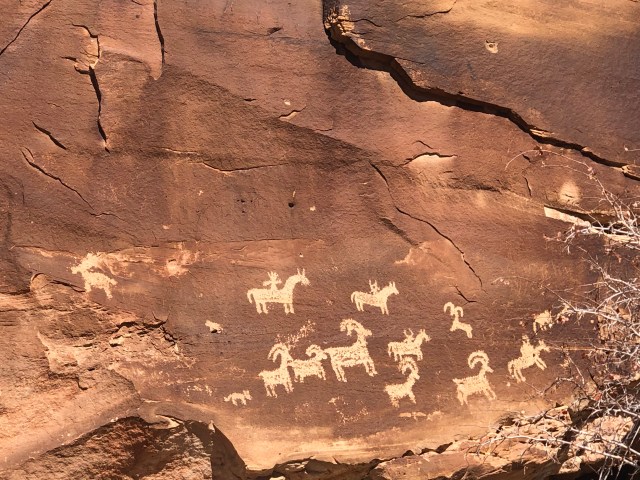
Besides maximum relaxation at the house in Dolores, Colorado, we spent time outside at Pagosa Springs, Arches National Park, Mesa Verde National Park, and Canyons of the Ancients. I’m definitely getting why the CDT would be a great trail to do.
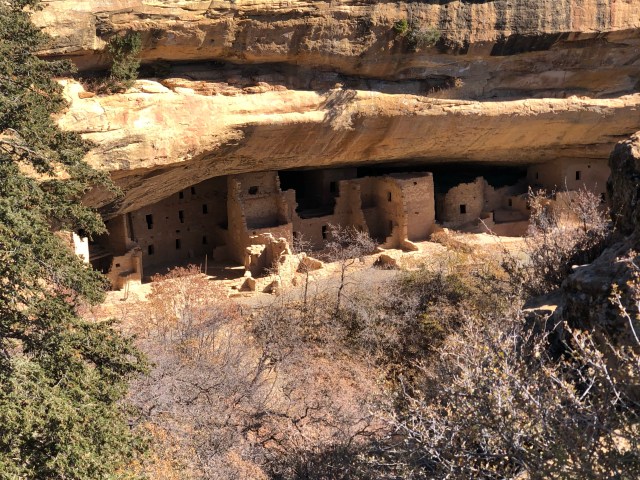
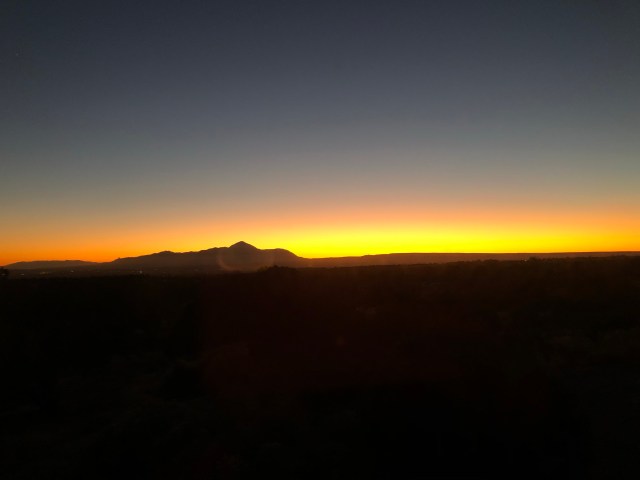
The most common question we get is: “what is it like to come back to our “normal” lives?” And my answer is that in some ways, it’s great. I like having running water and modern plumbing. I like having a door, floor, ceiling, and windows. I like being at home in our bed. I like eating fresh foods instead of tuna fish in a tortilla. I’m enjoying solving problems that aren’t just related to how far I have to walk that day (John and I estimate that hiking logistics took up about 50% of air time); the variety of my work mind landscape is enjoyable. My body is loving the respite from being on my feet all day, and I love the plethora of options (maybe I’ll run, maybe I’ll swim, maybe I’ll do Pilates or yoga – and for the first month, I’ll definitely just stay right here on the couch. Yeah, no need to move. At all.)

And then there’s the flip side of being home. The simplicity of our lives on the trail was a gift. Friends, we were bored sometimes on the trail, and that was a gift. The amount of waste in our consumer-driven economy really gets me down, I thought as I recently wheeled our quite large recycling and trash containers out and remembered the small ziplock bag that used to hold all of our trash. If my body had a gauge for the amount of natural sunlight I get in the course of my life, it’d show a steep decline since our return and steep incline in the amount of blue light from our computers. I spend the bulk of my time on Zoom calls or looking into this black hole that is my Apple-stamped portal to the interwebs. I realized that I have almost as much equipment for sitting at my workstation as I had to go hike and live outside for five months. John is commuting between St. Paul and Houston every week. In short, our lives at home are more complicated. Small talk on the trail was about the quality of the next water source, and so much else seemed to fall out of our lives. Coming back from the trail is about realizing the trade-offs we make and wondering which of those we are conscientiously making as opposed to silently acquiescing to because “that’s life.”

I came across a quote after the trail: “Expectations are the blueprint for disappointment.” On the trail, this meant that if I could detect an expectation, I might be aware that disappointment was possible. These expectations were often riddled with a hope — a hope closely intertwined with escaping my discomfort. Once we realized on the trail that our very discomfort was allowing us to do this beautiful thing, it became less about finishing and more about being: being outside, in the woods, with each other, and being so free because we’d chosen to have all of our possessions on our backs and go by foot for a long stretch across America.

It’s November. In Minnesota. Winter is long, and it’s cold. The days are short. And yet, this is where we are, and where we mostly choose to be. This is home, for now.

Featured

Mount Katahdin and beyond

We made it. We summited Baxter Peak on Wednesday, October 2, 2019 around 11am. Five months and eight days after starting from Amicalola Falls in Georgia, we arrived at the southern terminus – Mount Katadhin in Maine – and completed our thru-hike of the Appalachian Trail.

After the 100 Mile Wilderness, we wanted to be well-fueled and well-rested for our last day, so we spent the night at a hostel in Millinocket. This meant that our summit day started early at the Appalachian Trail Cafe in Millinocket around 5:30am so we’d have plenty of time to chow down a large breakfast of eggs, tater tots, breakfast burritos, and coffee with real cream before we shuttled back to Baxter State Park and the trail.

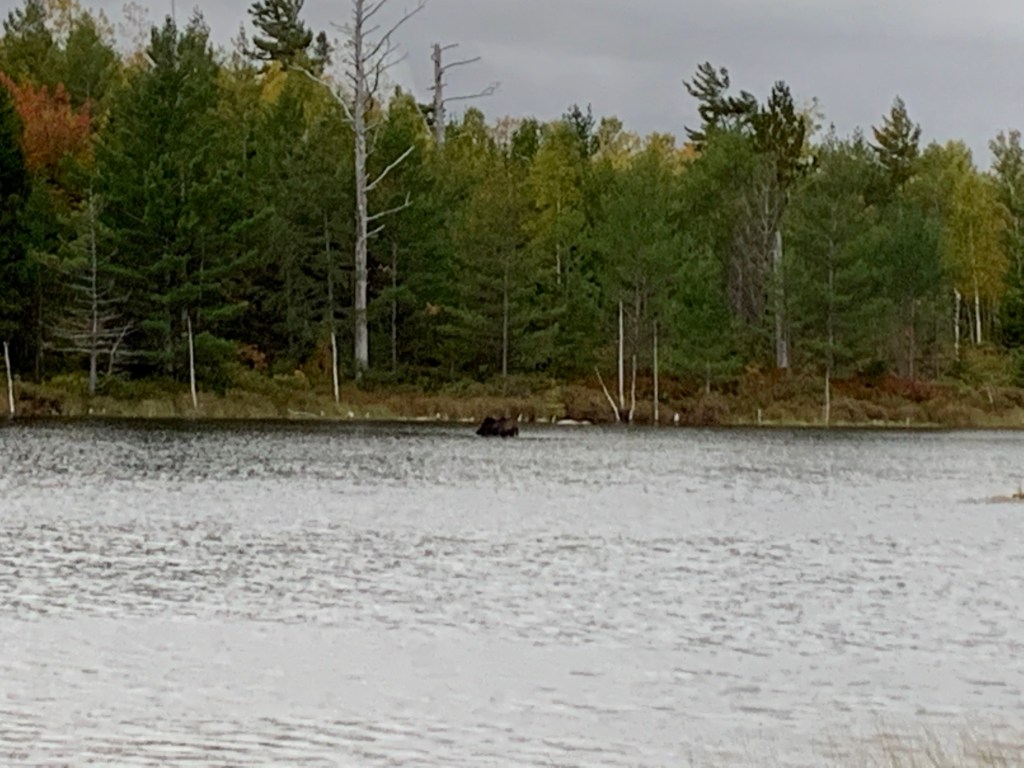
Through all of Maine, we had anticipated seeing a moose and on our way into Katadhin Stream Campground, Ole Man (owner of the AT Lodge, the main hostel in Millinocket) helped us spot this moose at Stump Pond. The large cow below looked more like a brown rock to us, with her head under the water.

Overall, our last day would be a relatively short day. The hike up Katadhin on the AT follows the Hunt Trail to the summit – about 5.2 miles with 4179 feet of elevation gain.

Before we started climbing, the day was relatively warm – in the 50s and cloudy. As we progressed up the mountain, that quickly changed and we quickly layered up.

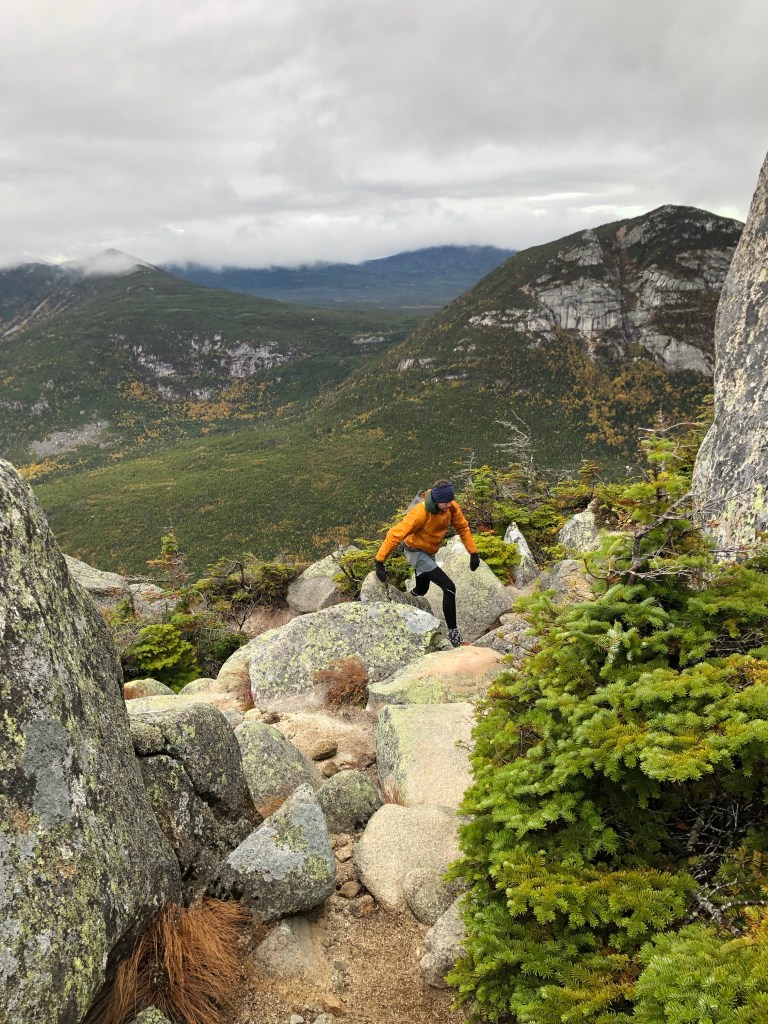
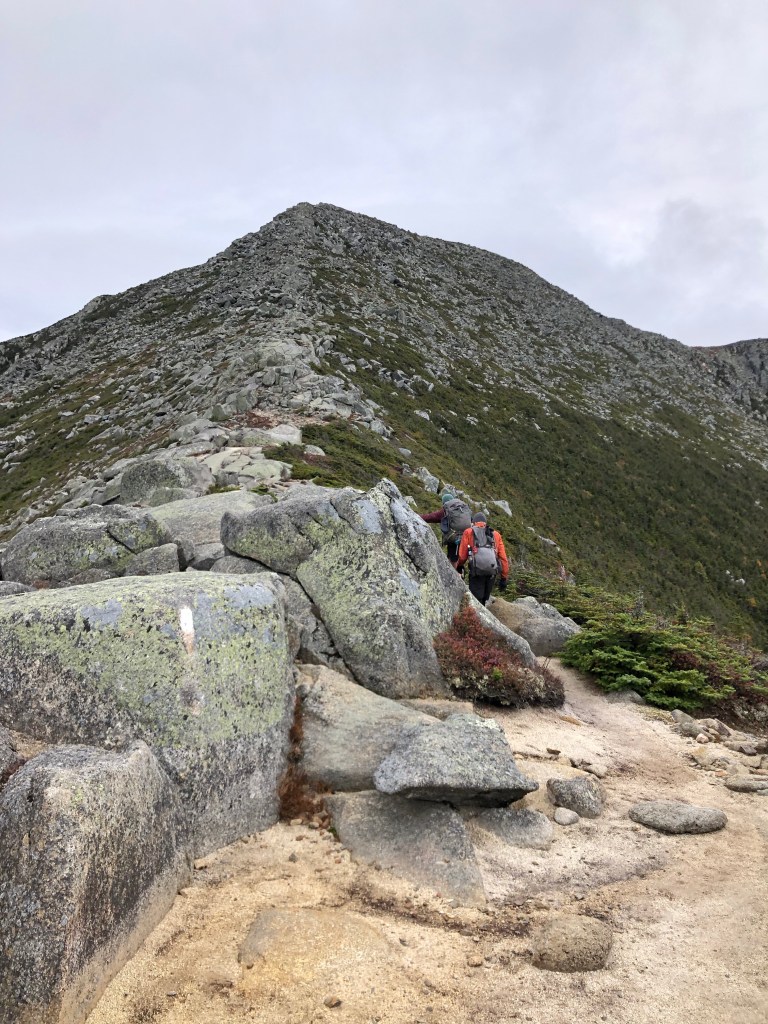
By the time we reached the tree line, the wind became very strong, and I didn’t get any good photos of the scrambling section of our climb for fear of losing my phone in the rock crevices. It was a short section but definitely required as much shoulder and arm strength as we needed through Mahoosuc Notch.

The last of the white blazes en route to Baxter Peak

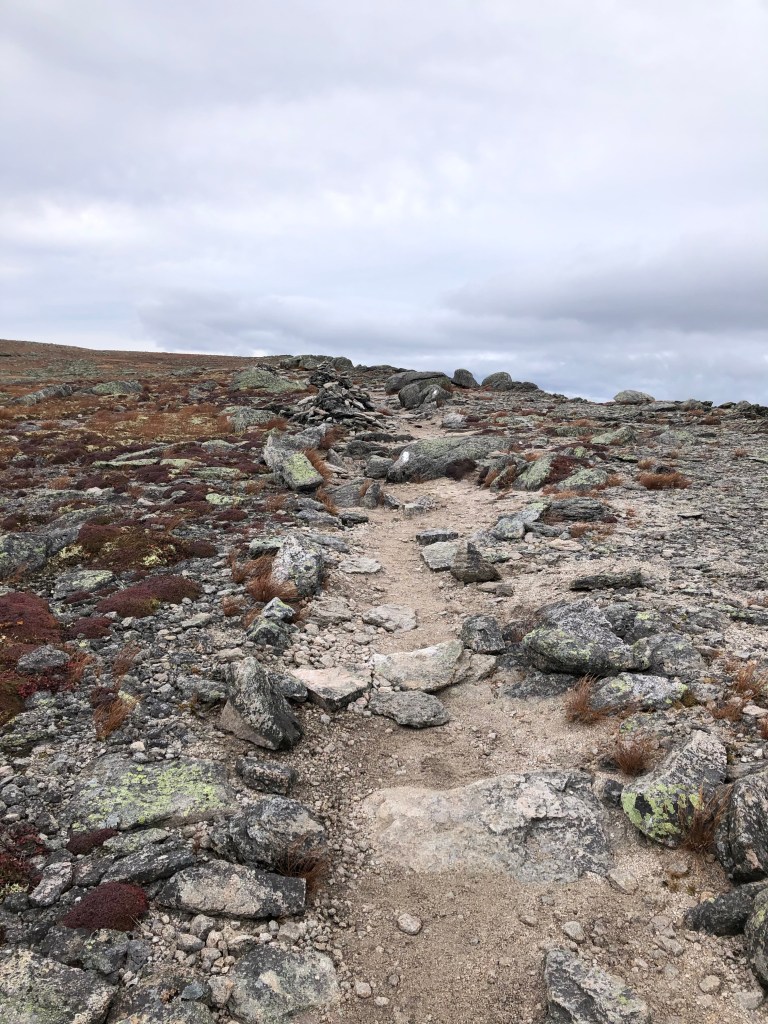
When we made it past the scramble, we reached a rocky, flat area known as the Tableland. I was still tired from climbing rocks, but this where John’s adrenaline kicked in and he started pushing the pace to get to the peak. I started to lag behind and I embraced the “Snail” part of my trail name.

It felt pretty surreal to reach this point, where we could see our last stretch. We had discussed this for months, with increased regularity through the 100 Mile Wilderness: whether we would make it here without trail-ending injuries or just getting fed up with the bugs in Connecticut and the heat in Pennsylvania, what would Mount Katahdin look like and feel like to hike on (we avoided online accounts and YouTube to retain some surprise for ourselves), and how we might feel again coming down from our last peak on the trail.

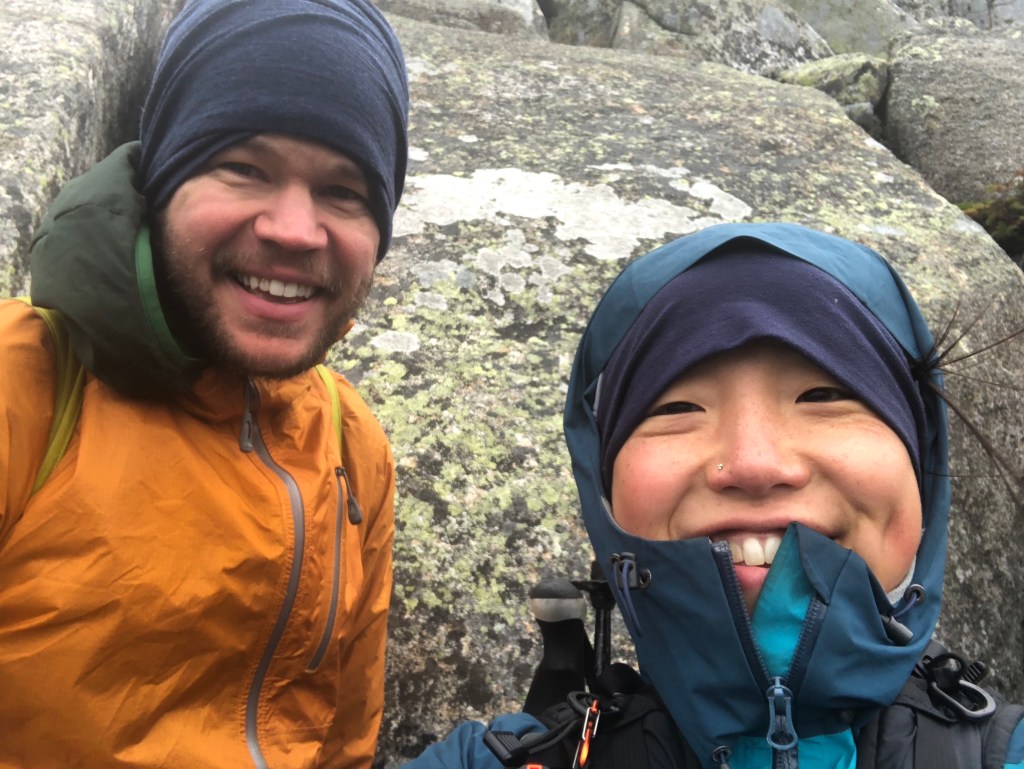
But like all parts of the trail, you’re just there and that moment doesn’t last too long. And so you do your best to be there and remember the brief respite we had from the lashing wind behind a very large boulder, the stop I made at Thoreau Springs (despite John’s excited anticipation for getting to the top), rock hopping through the puddles on the Tablelands, and that the rocks can still be pretty jagged and dangerous even on what appears a benign last mile to the summit.

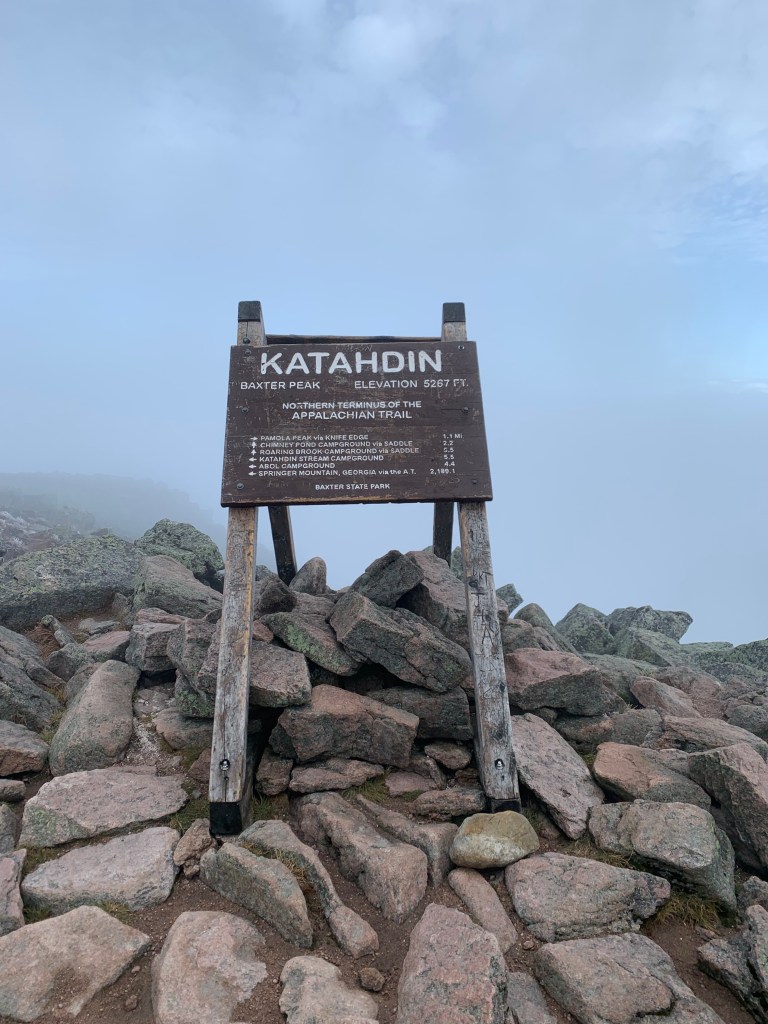
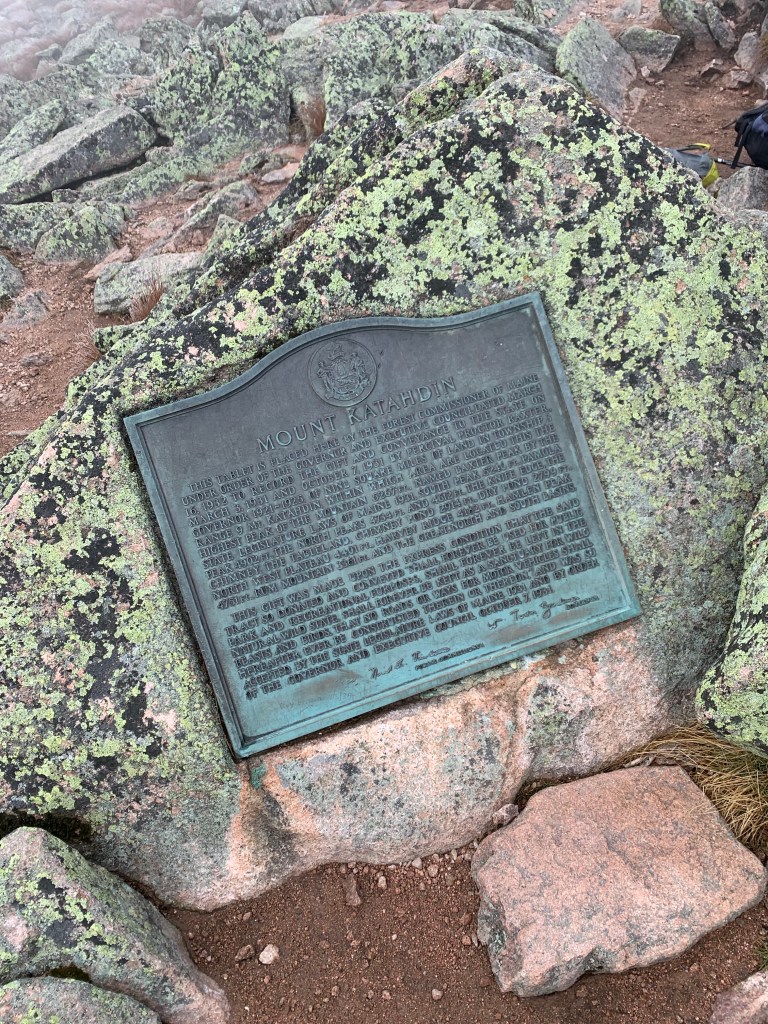
And then we were there. The final sign that marks the top of Baxter Peak. For a thru-hiker, the sign is well-known and the target of months of hiking. Over the backside of the sign, there is a beautiful view of Chimney Pond, and to the side there is a small dedication of Mount Katahdin.

We found ourselves in a cloud sandwich on top of Katahdin.

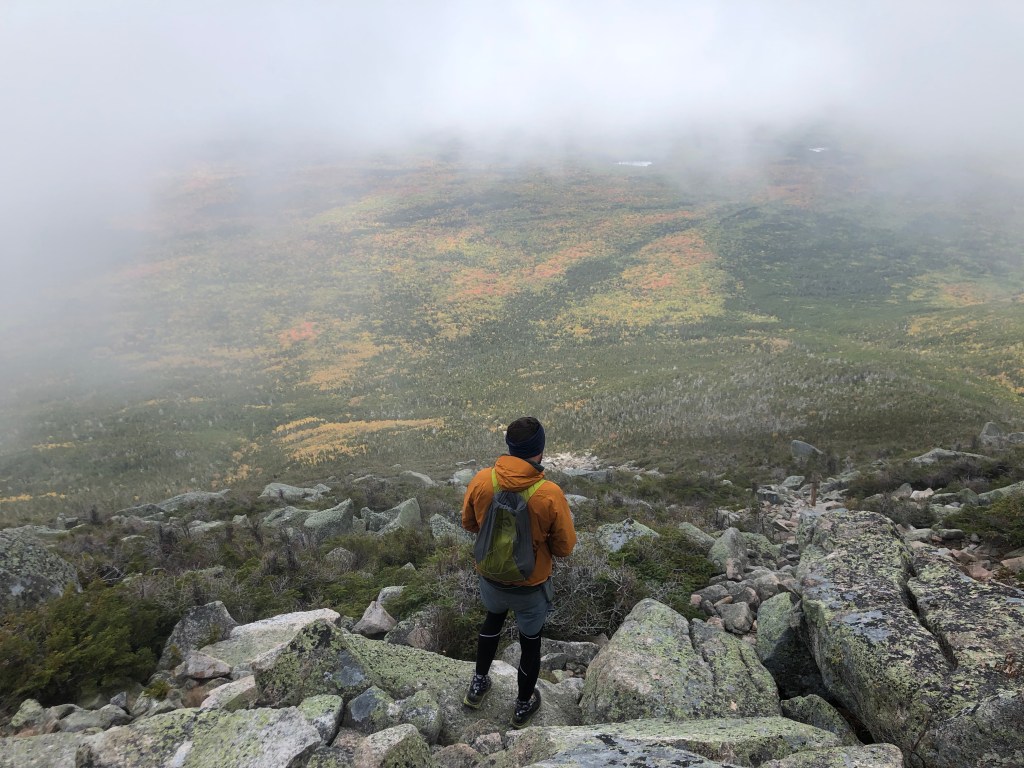
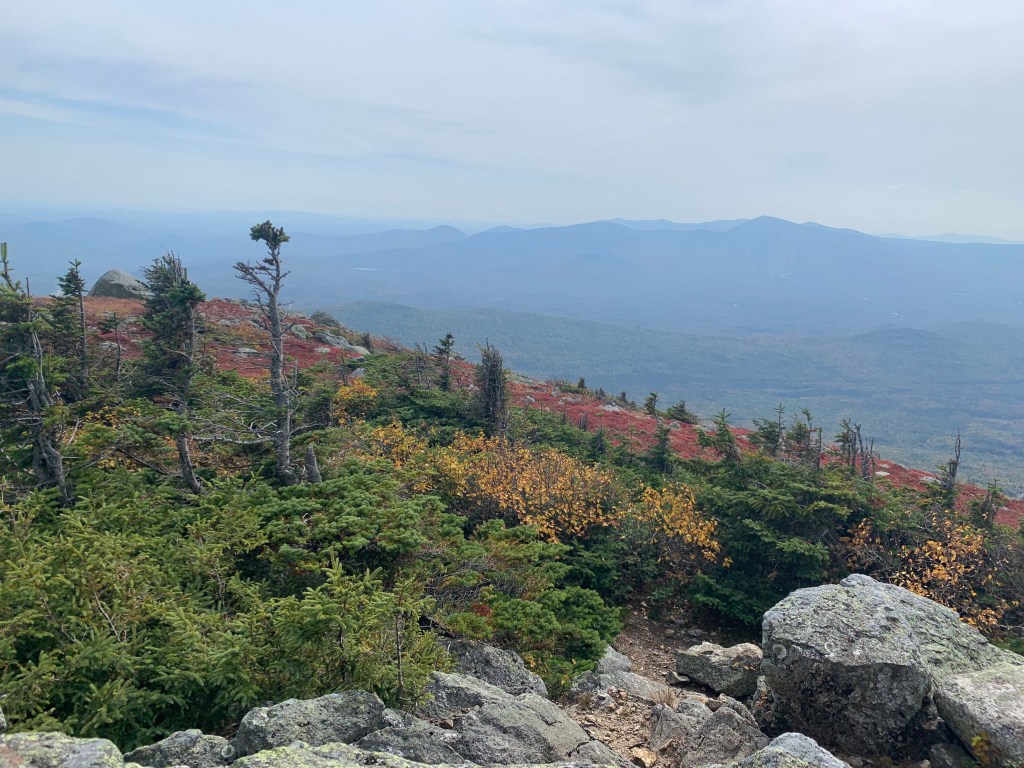
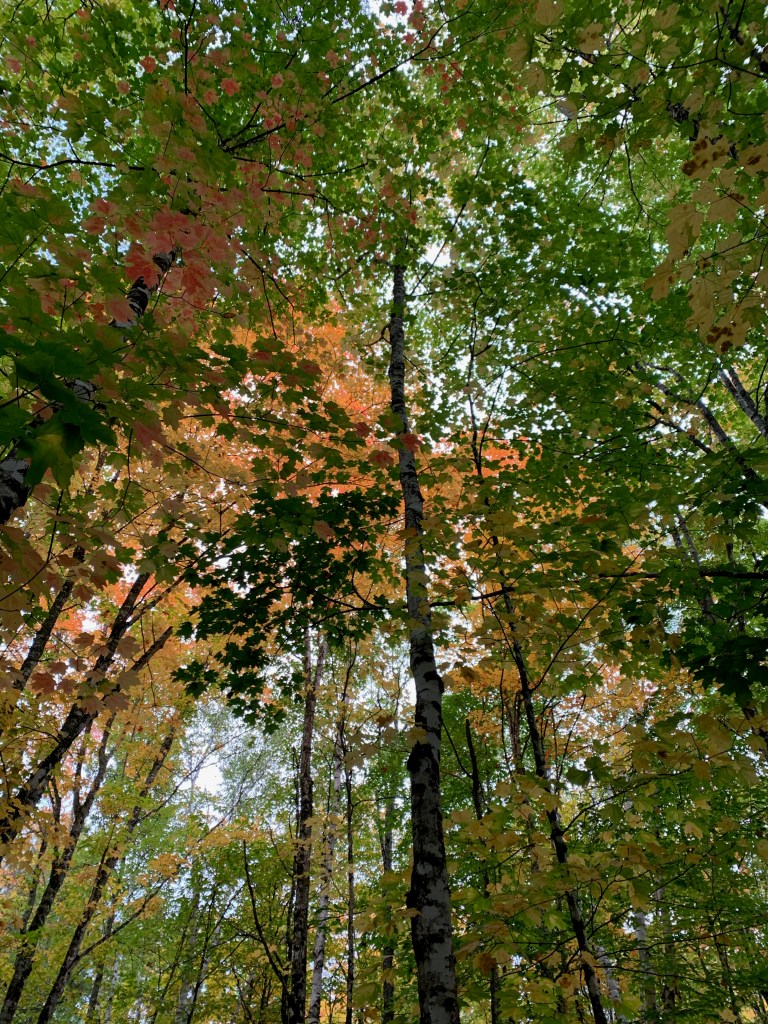
We celebrated briefly, and then started the descent. The Appalachian Trail doesn’t count the hike up Springer Mountain, nor does it count the hike down Katahdin – but every thru-hiker has to do both. On our descent, we took the Abol trail where the clouds opened up and we caught spectacular glimpses of leaves and lakes below.
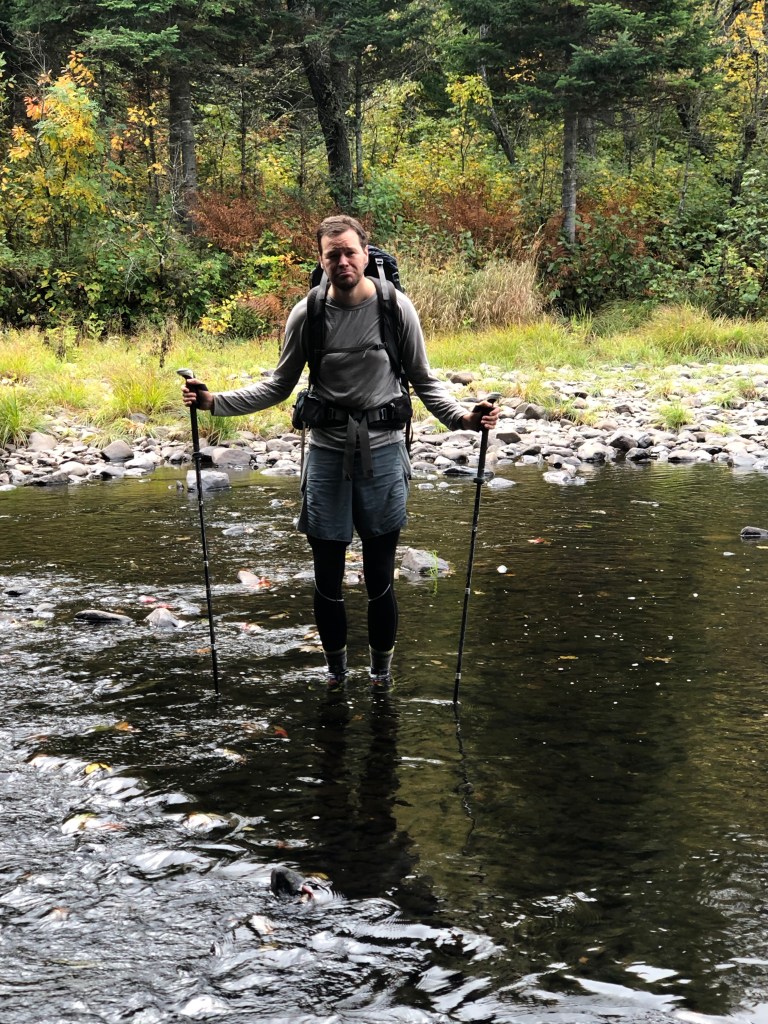
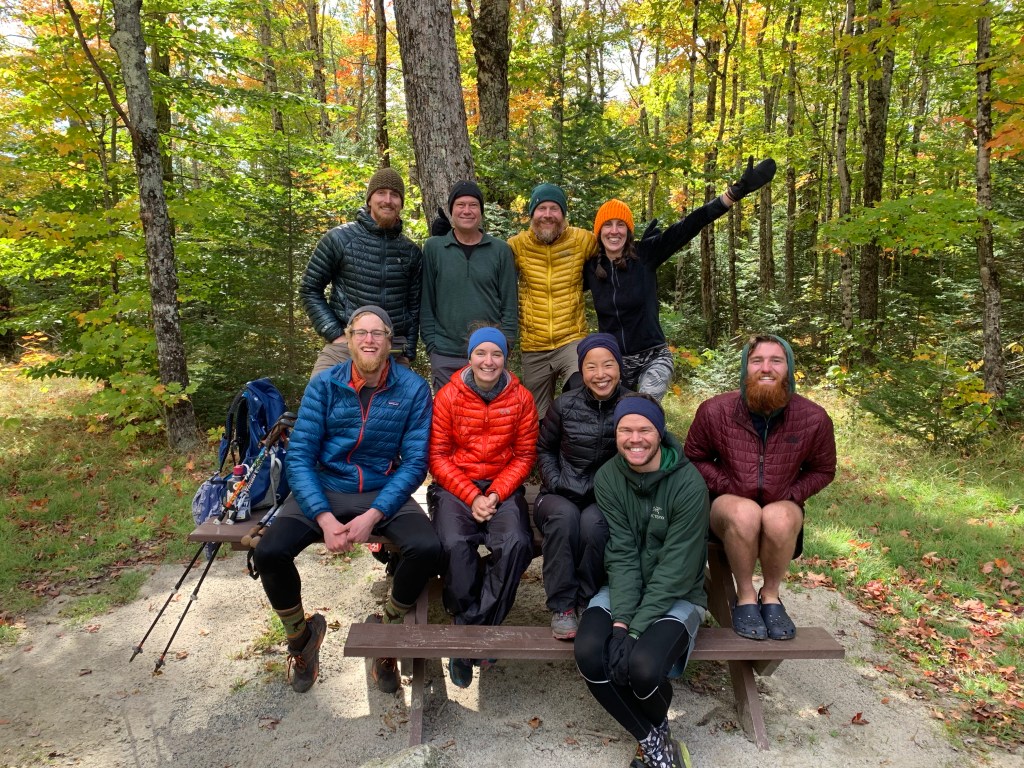
At the bottom of Abol, we met up with several hikers who finished with us.

From there, we went took a shuttle and a bus to Bangor, Maine the next day, where John and I picked up a rental car. We drove with two other hikers, Fastball and Scooby, to Portland, Maine where we indulged in hard-won lobster rolls and gigantic ice cream cones.

On trail, we had a lot of practice. We practiced hiking and backpacking, ascending and descending mountains, eating out of ziplock bags, and setting up our tent in all conditions. We practiced being aware of and managing our expectations and our discomfort. There were many times we didn’t think we had expectations for what a section or a day would be like, but of course we did. We practiced sharing an experience with many people who all approach hiking and backpacking and camping in their own unique way. We practiced giving and receiving.

John and I spent 163 days on and around the trail, walking most of the estimated five million steps together, living in twenty-nine square feet, and carrying about 45 pounds of gear, food, and water between the two of us to live. Hiking the trail from start to finish is one accomplishment. By the end of the trail, we had our backpacks winnowed down to the bare essentials and everything had its place. We became masters at logistics, planning, and dividing up camp chores. We had learned more than we ever thought possible about our differences in pace and approaches to hiking and communication styles.

And now we are home. Our shoes don’t quite fit how they used to. Our feet are still tender from the many miles we’ve hiked, and our bodies and minds are not yet used to sitting in front of computers. Our wedding is approaching, and our talk has shifted from where we’ll find water to how to start our own business.

Being home requires reintegration. When we first started hiking, we started with low miles, around eight a day, and slowly increased to 20+ mile days. Similarly we need to lean slowly into life at home and acquaint ourselves with this new home and work experience. The trail changed parts of us; it added to who each of us is and who we are as a couple. So for now, we’re still caught somewhere between home and trail.

And that’s okay.

Featured

#14: Maine

One of the architects of the trail was Myron Avery who also happened to be a Mainer. He helped to ensure that the trail, when heading northbound, ended in Maine, which has 281 miles with some of the best trail, views, woods, and lakes the entire AT has to offer. Maine is pretty fantastic!

We arrived in our fourteenth and final state on September 7 a bit battered from our hike through the Whites. We’d heard a lot of trail talk about how challenging the first couple of days in Southern Maine would be, and so we braced ourselves for Mahoosuc Notch “the hardest mile on the trail.”

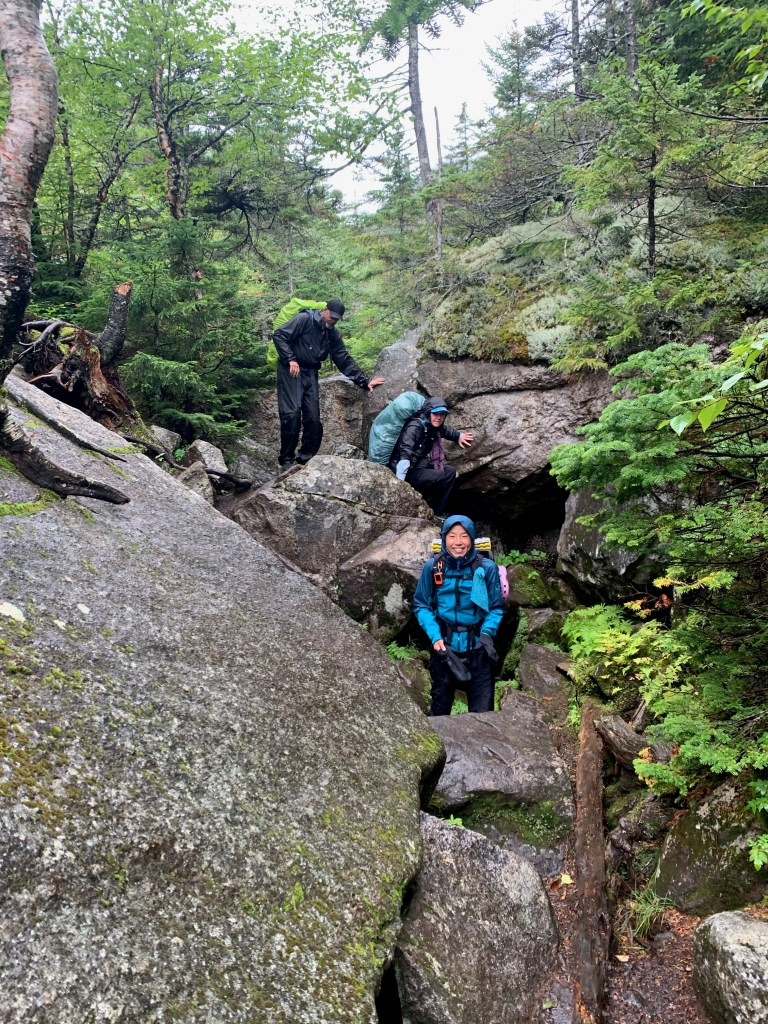
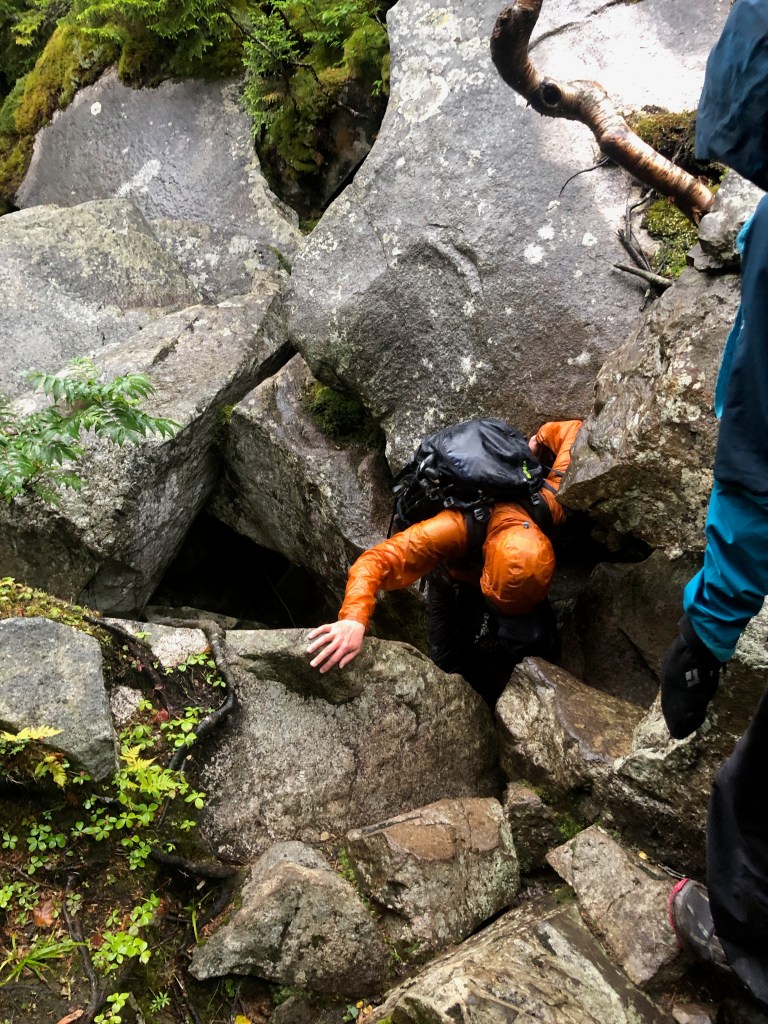
If you’ve read John’s post on Pennsylvania, you are familiar with our rock rating system. Mahoosuc Notch felt like a 4++: a pure scramble across, up, and underneath boulders at the base of a mountain. Additionally, we had heard repeatedly, “don’t do it in the rain!” and of course there was a cold drizzle when we set out that morning.

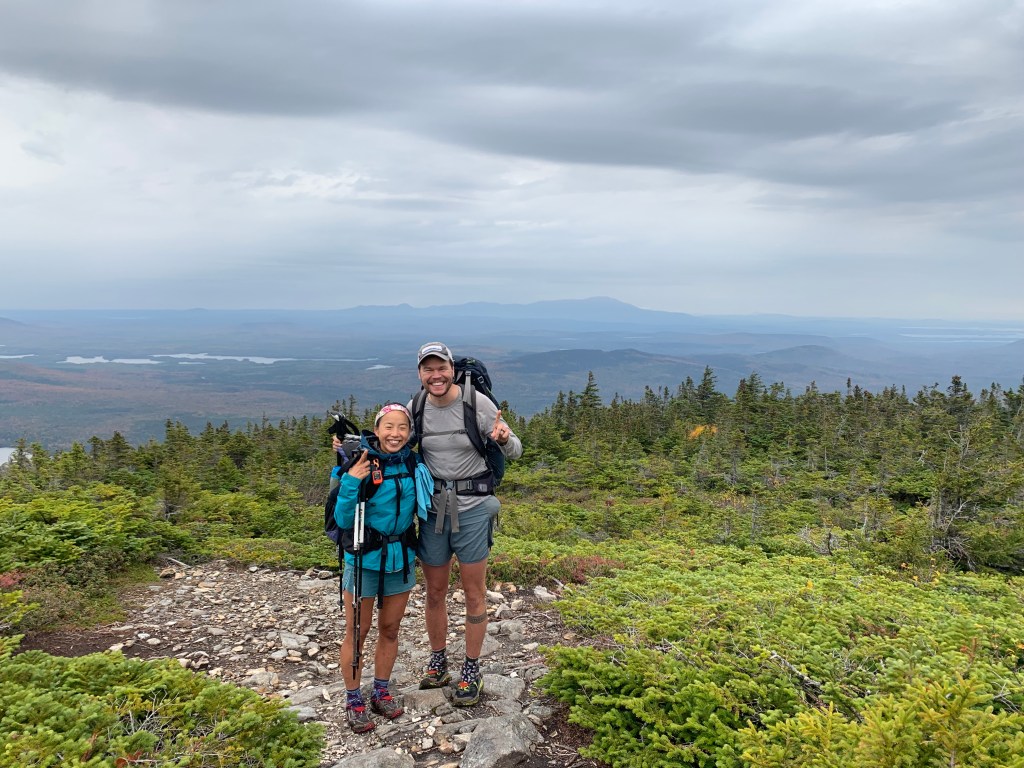
We were still hiking with Tadpole and Survivor and ended up having a good (albeit tiring) day of very challenging hiking. The bulk of Mahoosuc Notch felt like a rock jungle gym. We spotted each other, helped move backpacks through narrow crevices, and worked together slowly through the Notch. The total mileage for the day was 9.7 miles, and it probably took us a solid 11-12 hours to get through the Notch, up the Arm, and up and down Old Speck. Hands down: the most physically challenging day of hiking.

It helped to know that we had an eight day respite from the trail. We planned to leave the trail at Grafton Notch to visit John’s parents in Atlanta and then attend a wedding in Minneapolis. (This was our second trip off-trail; we also spent two days in DC when we arrived in Harpers Ferry.) This time we left our backpacks and poles at The Cabin, a hostel in Andover Maine.

We welcomed the break from the tough terrain. We both had a cold and slept even more than on trail while we were in Atlanta and St. Paul. By Day Five, though, we were ready to return to the trail, especially knowing we had one of the best stretches of trail ahead of us.

When we returned from the trail, we enjoyed a couple of days staying at and slackpacking (day hikes) from The Cabin, which turned out to be one of our favorite hostels on trail. Honey and her late husband Bear have hosted hikers for years, including AT celebs like Earl Schaffer. Honey’s brother was deeply involved in creating the trail in Maine as we know it today. And Hopper knew the trail better than anyone we had met on trail. She could tell us exact spots to get cell reception so we could call them and have a just in time pickup at the trailhead. The two of them made hiker hunger sized dinners and breakfasts and seemed genuinely invested in the hiking community and each thru-hiker who visited them. We also met Odie, of AT yearbook fame, who was helping out for a few days.

Also, at this point, we didn’t have many more days that were as challenging as our Mahoosuc Notch / Mahoosuc Arm / Old Speck day. We did decide that we wanted to finish in time for John’s Tuck reunion, which started on October 4th. We made two plans: one for finishing on October 2 and one for October 3rd. It involved no days off, some 18+ mile days on easier terrain, some 15-17 mile days with a fair amount of elevation gain. Everything is relative on the Appalachian Trail, though, and I have to say that most of these days still felt like a relief after the Whites and Mahoosuc.

Cloudy views on Baldpate
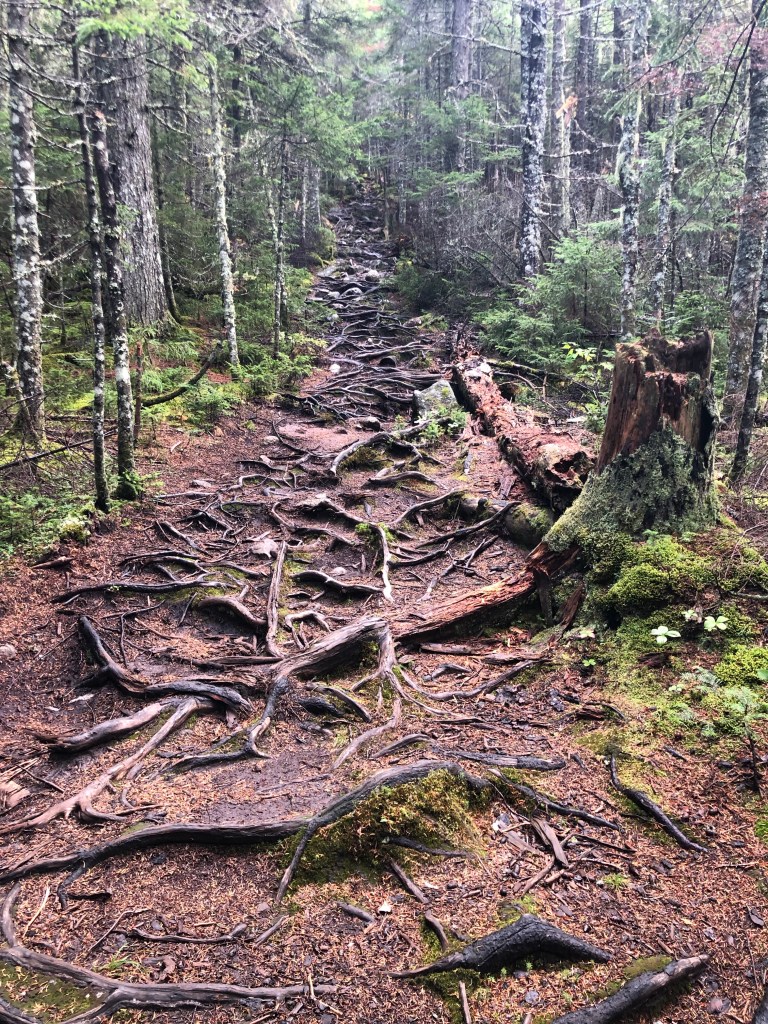
Rooty terrain in Maine

Maine has a number of lakes, ponds, streams, and rivers. We camped one night on Eddy Pond with the hope we’d spot a moose at dusk or dawn, but had no luck.

Eddy Pond. Not pictured: Maine moose.
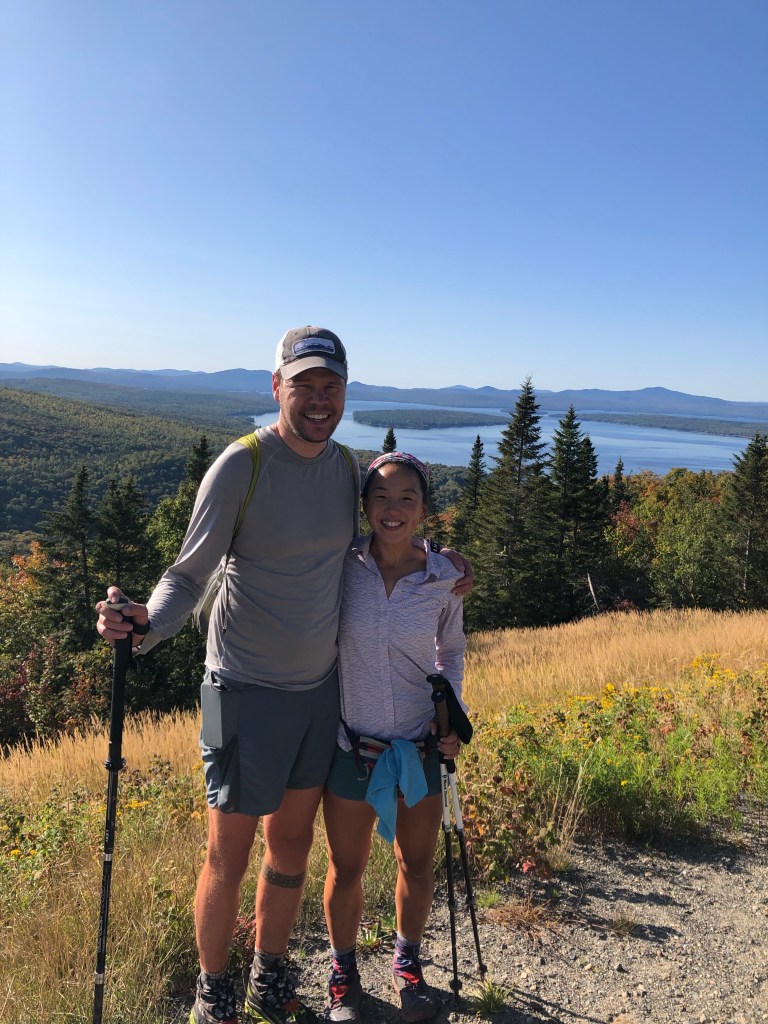
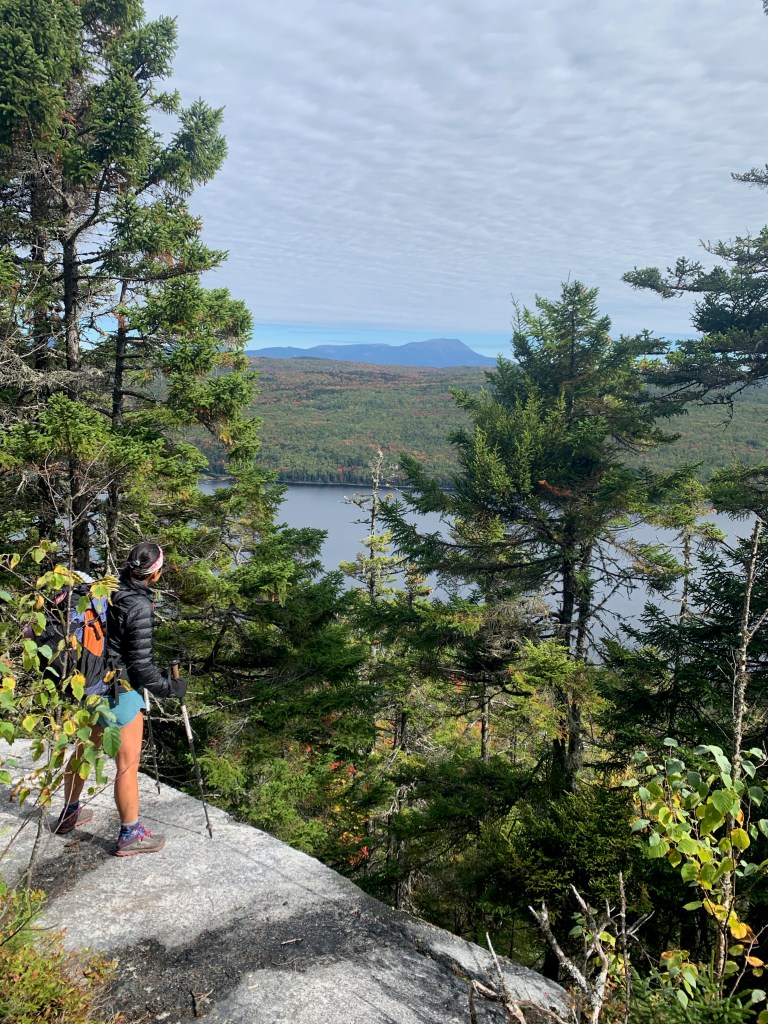
At Height of the Land with a view of Mooselookmeguntic Lake
Days were much shorter in Maine.

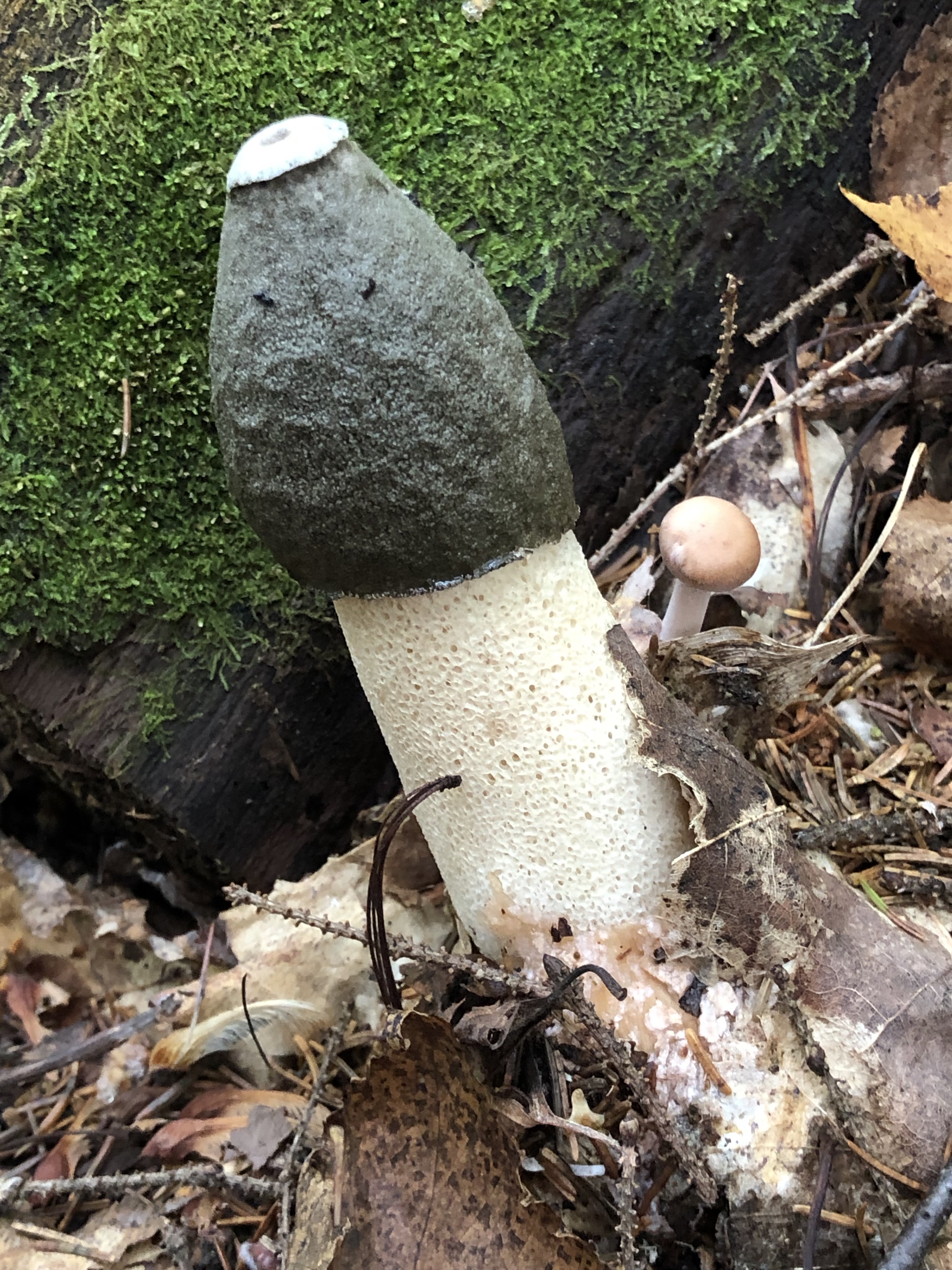
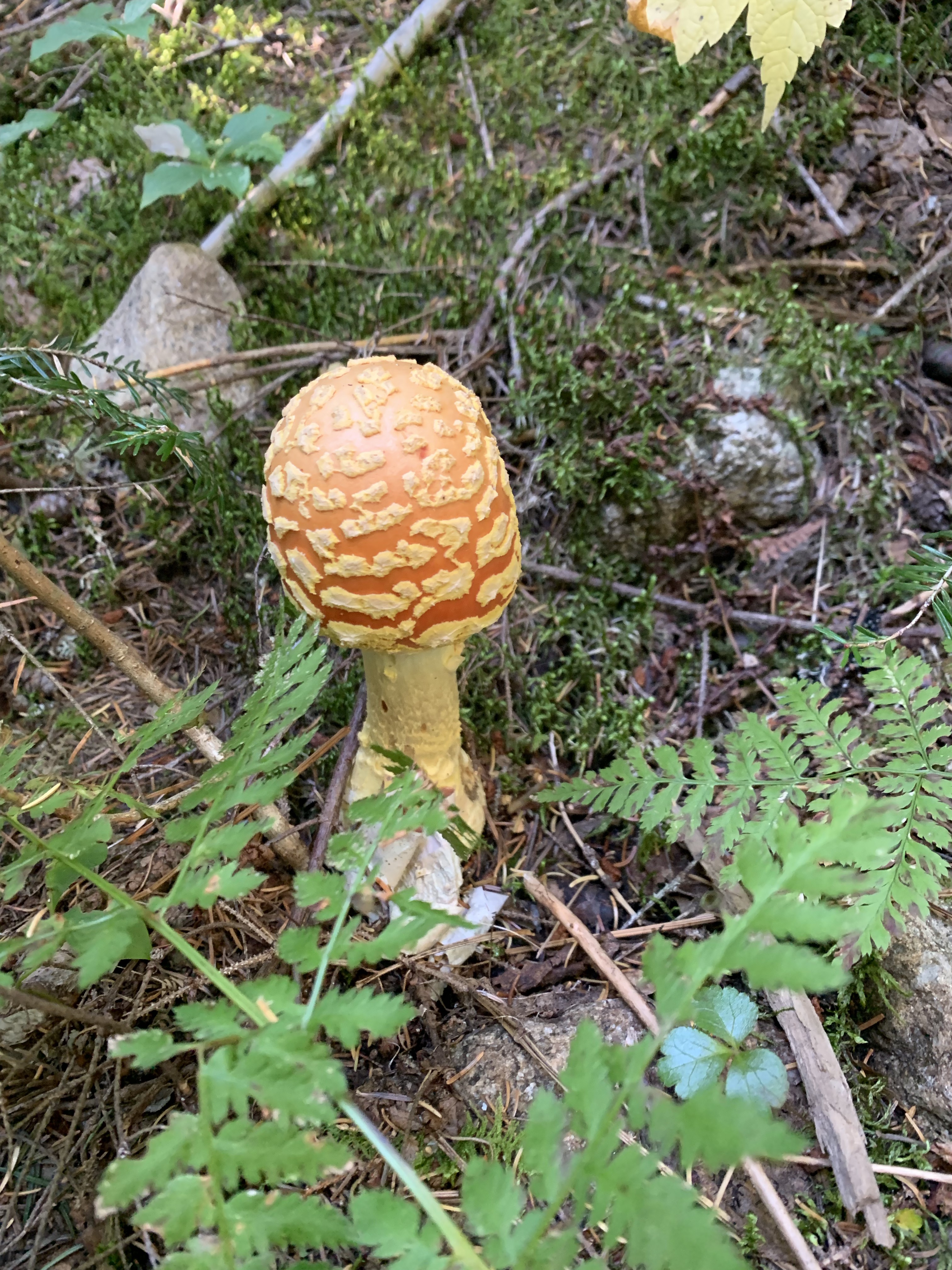
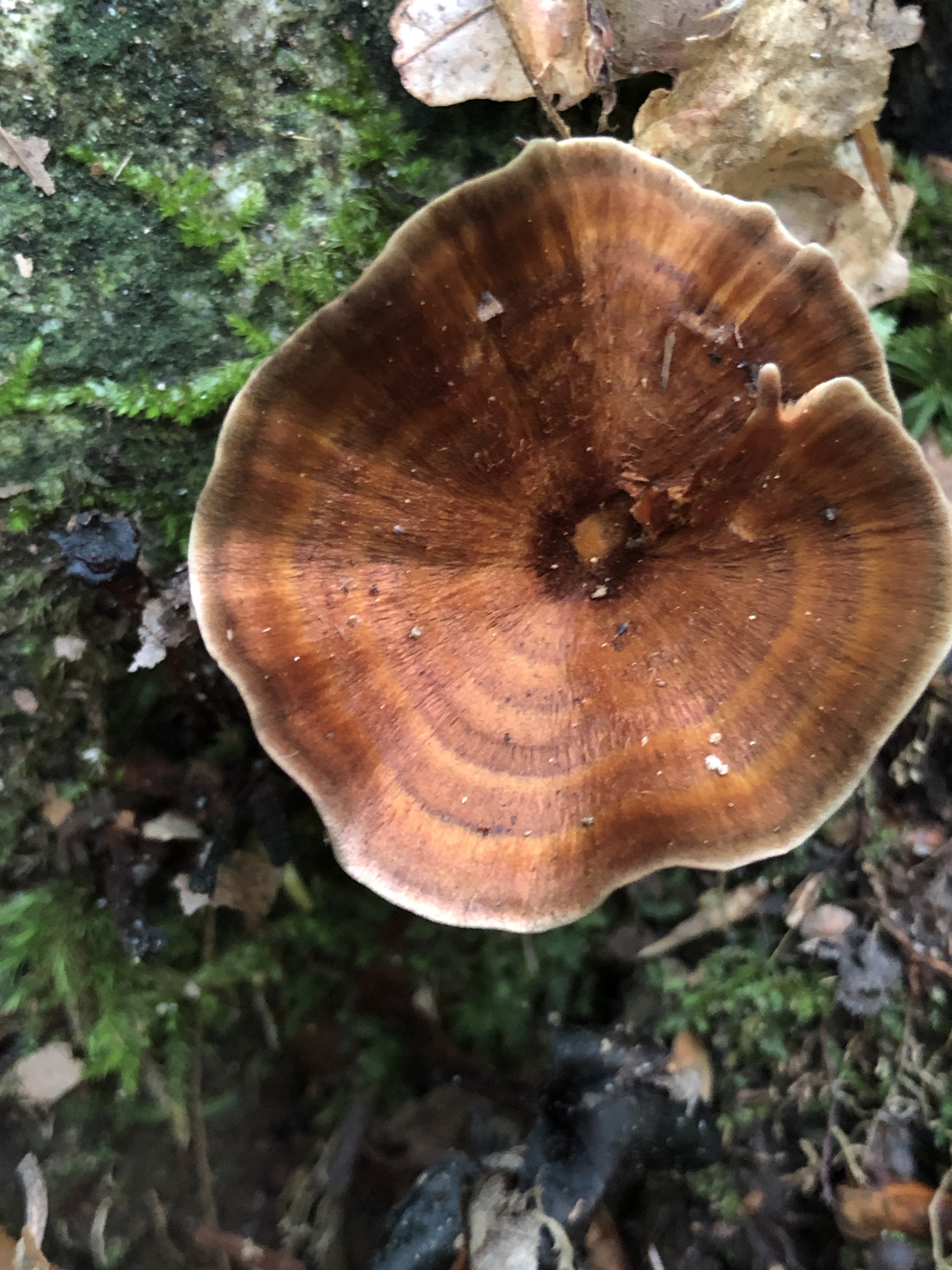
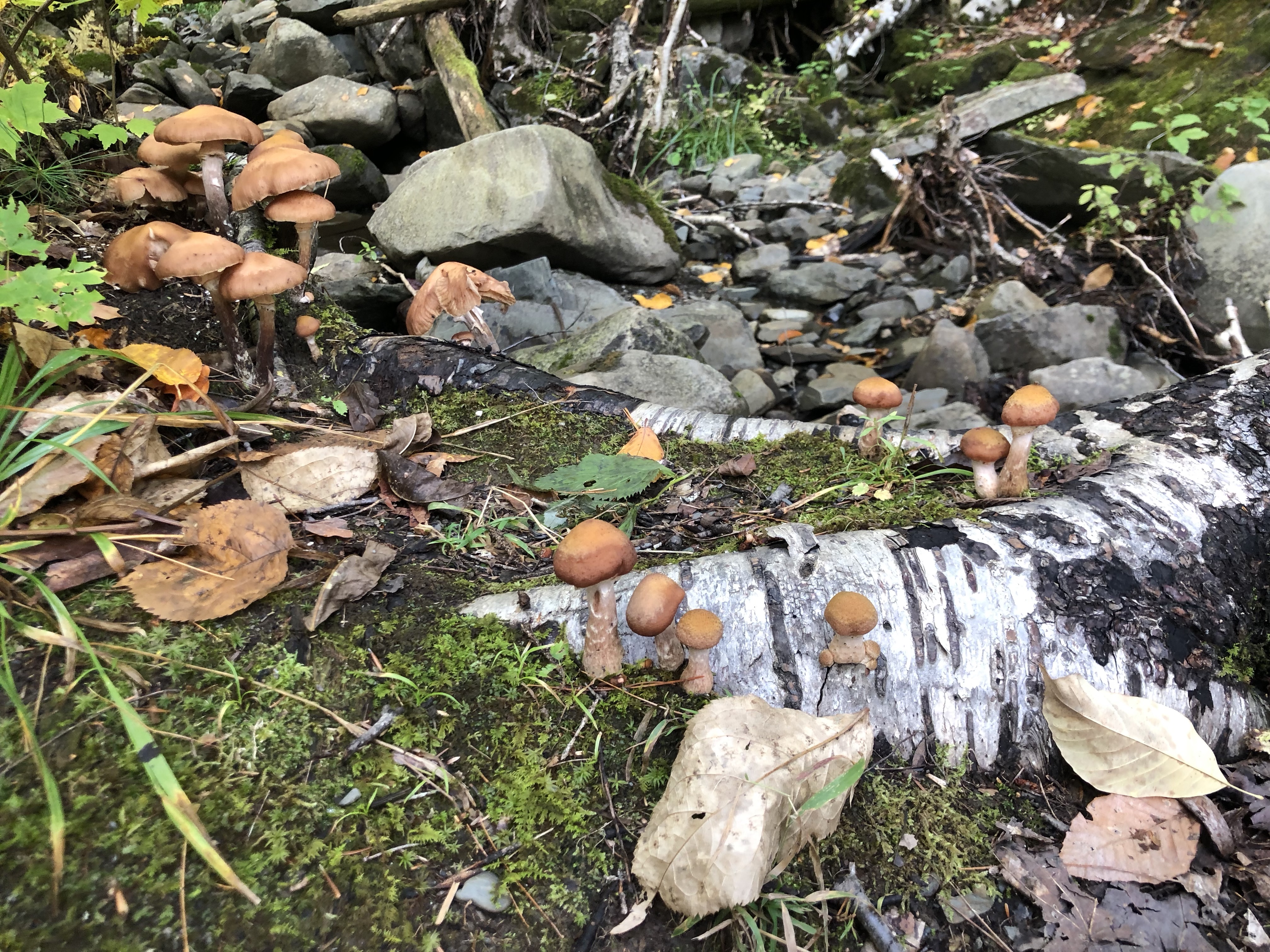
People often ask us where we’d recommend they “try out” the Appalachian Trail. And I’d say, most of Maine is worthy. Specifically, a weekend hike over the Bigelows or a longer section like the 100 Mile Wilderness in 7-9 days would be a spectacular introduction to the trail. We were in Maine in September when it was cooler, few to no bugs, and the autumn colors were beginning to pop – an ideal time to visit Maine. Also, fungi is at its peak by in the fall.

Other things started to feel real when we arrived in Monson, Maine, the last town before the 100 Mile Wilderness. This is our last resupply! Our last set of tortillas and tuna packets! Our second to last hostel! Our last mountain before Katahdin!

The 100 Mile Wilderness is the longest stretch of trail that doesn’t have a major road or town nearby. Don’t be fooled though: there are still many forest service roads used for logging that intersect with the trail. Yes, it’s pretty remote but not as remote as we thought it would be. With six days of food on our backs, we carried more food through this section than any other . . . except for at the beginning when we had that infamous jar of almond butter and didn’t yet know what we were doing. Reaching the 100 Mile Wilderness, the end becomes very tangible. 115 miles left! Just 100 miles until Abol Bridge and Baxter State Park. Beyond that, one hikes just 10-ish miles to the start of the Hunt Trail. 5.2 miles later, you find yourself at the northern terminus of the trail.

Plus, in the 100 Mile Wilderness, you can begin to get your first glimpses of Katahdin.

Even with all of the excitement of being “almost done,” we tried to stay focused on enjoying our last days on trail, knowing that the simplicity of the trail is one of its greatest gifts.