Featured

Since we’ve been gone: post-trail update

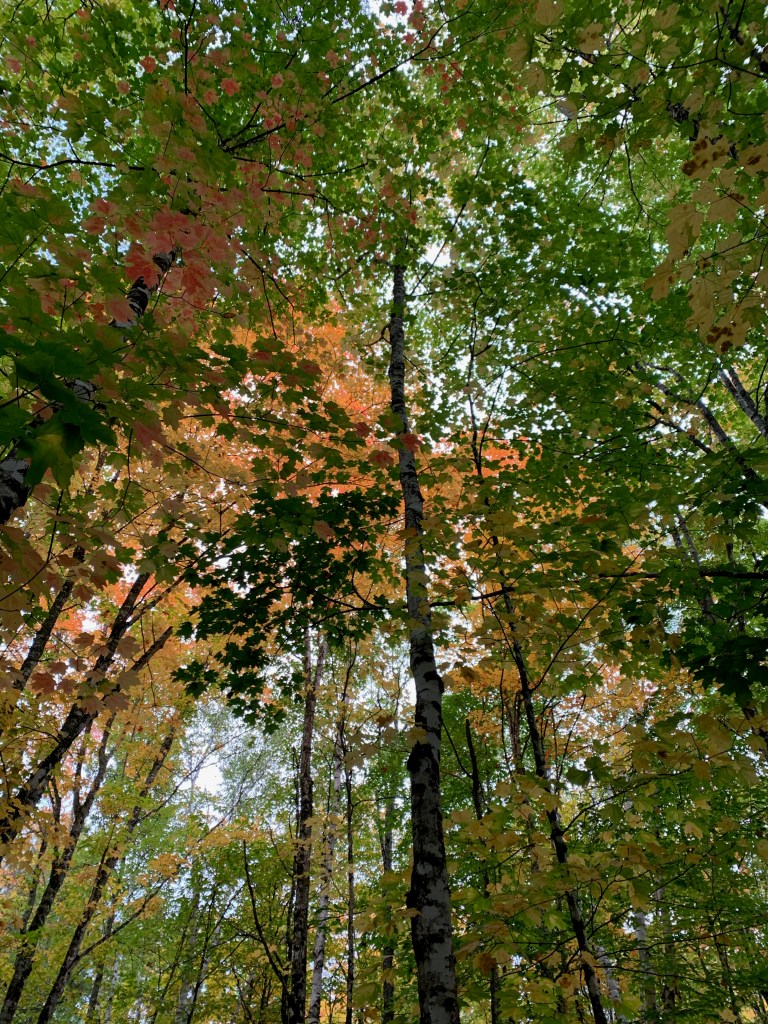
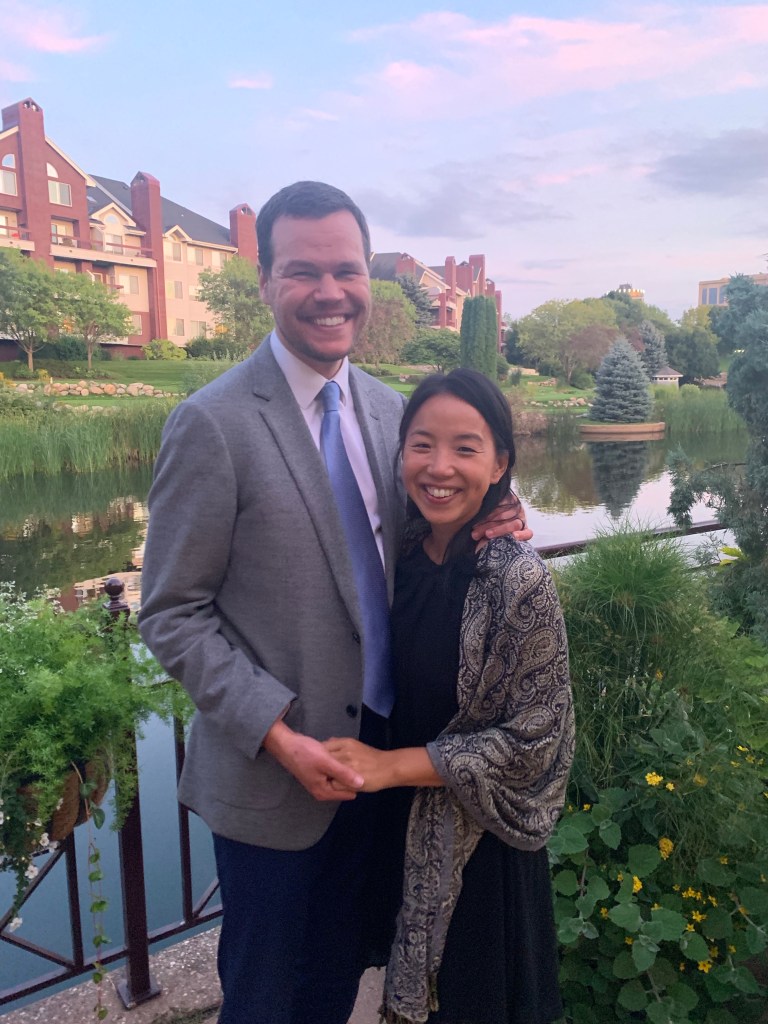
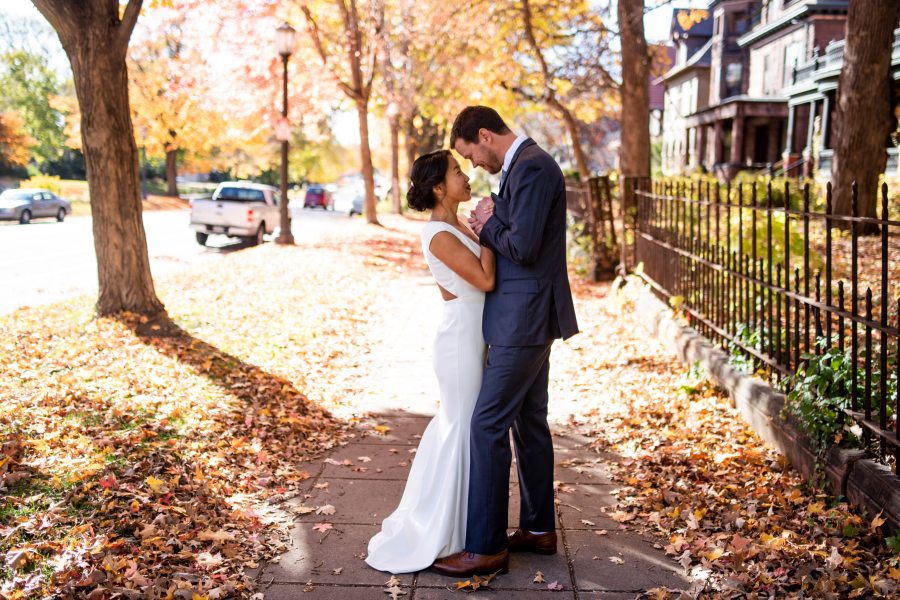
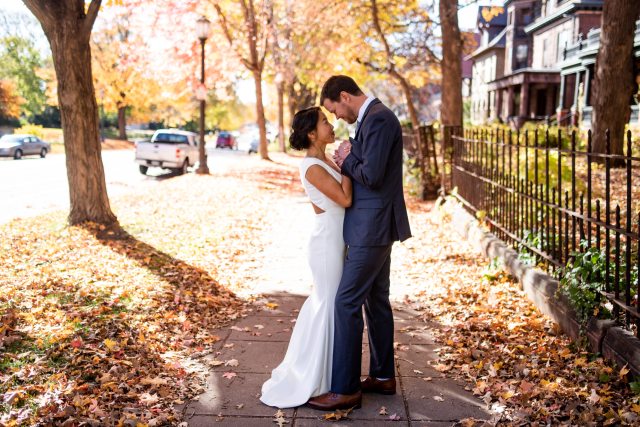
We had our wedding! John and I returned home from the trail on October 7th and had about 2.5 weeks to wrap up wedding plans. The day was chilly but warm by our Minnesota standards. Autumn managed to hang on for one grand finale weekend. Our guests came from near and far. We said our vows, exchanged rings, and then enjoyed the (seemingly way too short) night. It was a very special weekend, and we are still feeling grateful and loved by being in the presence of so many people. And yeah, it isn’t lost on me that I bought an expensive dress and wore it for a single day after wearing the same sweat-soaked clothes for five months straight.

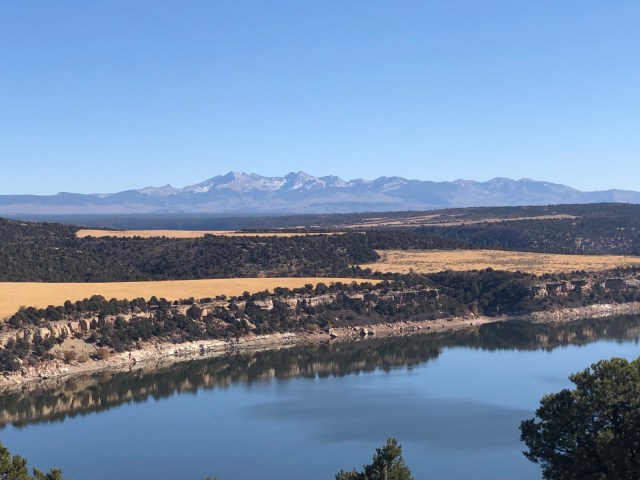
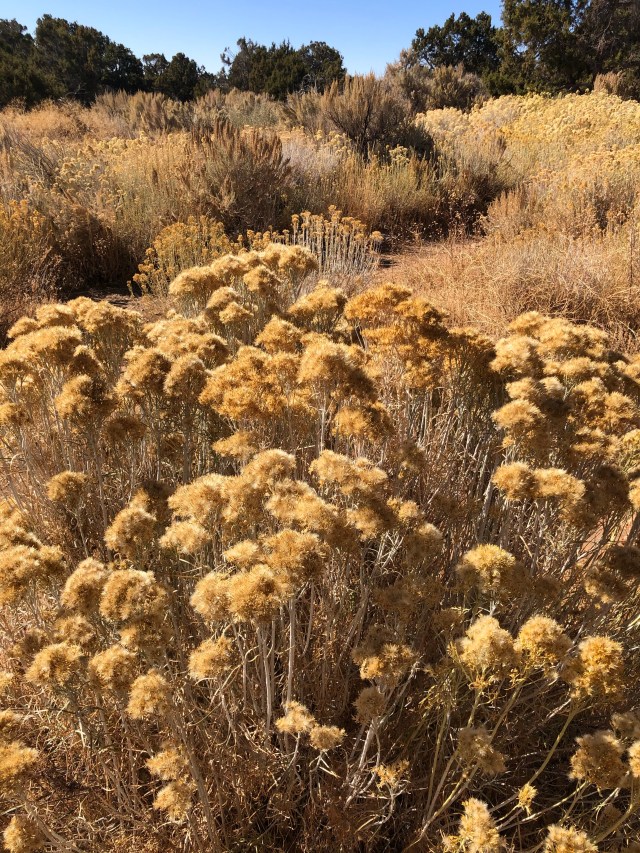
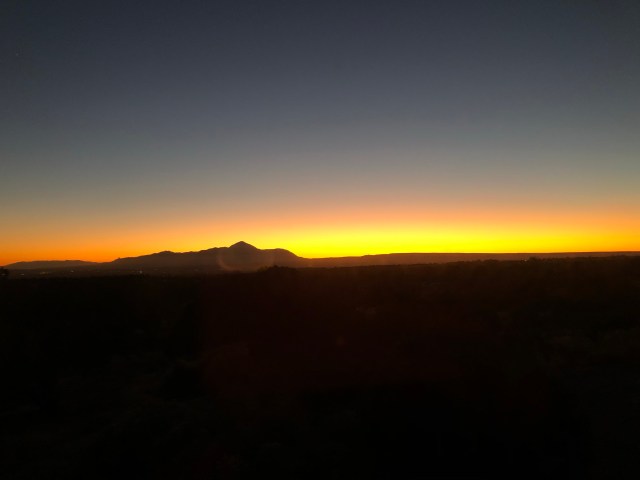
We honeymooned. Yeah, I know – wasn’t the trail enough? Nope. This time, we went to the High Desert near Durango, CO, with views of three mountain ranges, and stayed in a massive house that not only had running water and electricity but also had . . . heated bathroom floors and a teacup bathtub and a steam shower. Yup, we lived it up. But please know that we haven’t forgotten what it feels like to wake up in a 29 square foot tent and hobble a quarter mile in the dark, in the cold, to the privy where you will sit among the spiders and dead flies and try to not shine your light down the privy hole. Yeah, those experiences are experiences of a lifetime.

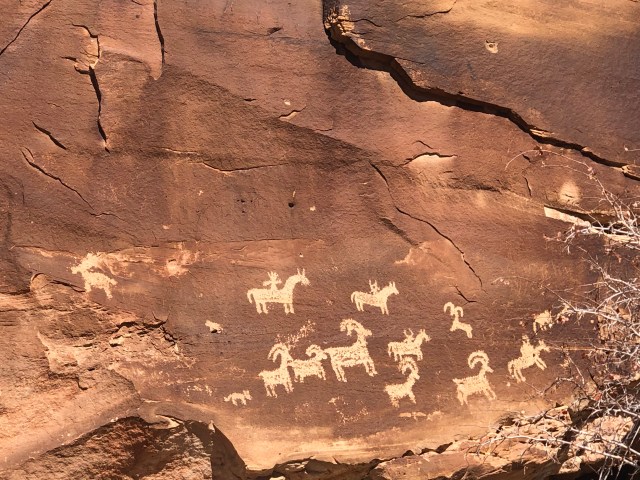
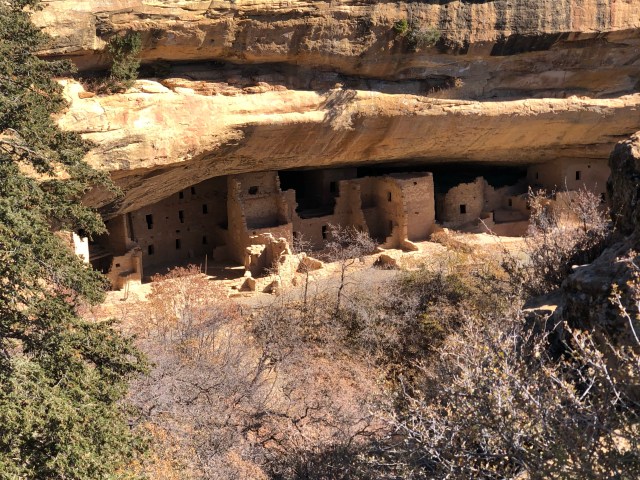
Besides maximum relaxation at the house in Dolores, Colorado, we spent time outside at Pagosa Springs, Arches National Park, Mesa Verde National Park, and Canyons of the Ancients. I’m definitely getting why the CDT would be a great trail to do.
The most common question we get is: “what is it like to come back to our “normal” lives?” And my answer is that in some ways, it’s great. I like having running water and modern plumbing. I like having a door, floor, ceiling, and windows. I like being at home in our bed. I like eating fresh foods instead of tuna fish in a tortilla. I’m enjoying solving problems that aren’t just related to how far I have to walk that day (John and I estimate that hiking logistics took up about 50% of air time); the variety of my work mind landscape is enjoyable. My body is loving the respite from being on my feet all day, and I love the plethora of options (maybe I’ll run, maybe I’ll swim, maybe I’ll do Pilates or yoga – and for the first month, I’ll definitely just stay right here on the couch. Yeah, no need to move. At all.)

And then there’s the flip side of being home. The simplicity of our lives on the trail was a gift. Friends, we were bored sometimes on the trail, and that was a gift. The amount of waste in our consumer-driven economy really gets me down, I thought as I recently wheeled our quite large recycling and trash containers out and remembered the small ziplock bag that used to hold all of our trash. If my body had a gauge for the amount of natural sunlight I get in the course of my life, it’d show a steep decline since our return and steep incline in the amount of blue light from our computers. I spend the bulk of my time on Zoom calls or looking into this black hole that is my Apple-stamped portal to the interwebs. I realized that I have almost as much equipment for sitting at my workstation as I had to go hike and live outside for five months. John is commuting between St. Paul and Houston every week. In short, our lives at home are more complicated. Small talk on the trail was about the quality of the next water source, and so much else seemed to fall out of our lives. Coming back from the trail is about realizing the trade-offs we make and wondering which of those we are conscientiously making as opposed to silently acquiescing to because “that’s life.”

I came across a quote after the trail: “Expectations are the blueprint for disappointment.” On the trail, this meant that if I could detect an expectation, I might be aware that disappointment was possible. These expectations were often riddled with a hope — a hope closely intertwined with escaping my discomfort. Once we realized on the trail that our very discomfort was allowing us to do this beautiful thing, it became less about finishing and more about being: being outside, in the woods, with each other, and being so free because we’d chosen to have all of our possessions on our backs and go by foot for a long stretch across America.

It’s November. In Minnesota. Winter is long, and it’s cold. The days are short. And yet, this is where we are, and where we mostly choose to be. This is home, for now.

Featured

Mount Katahdin and beyond

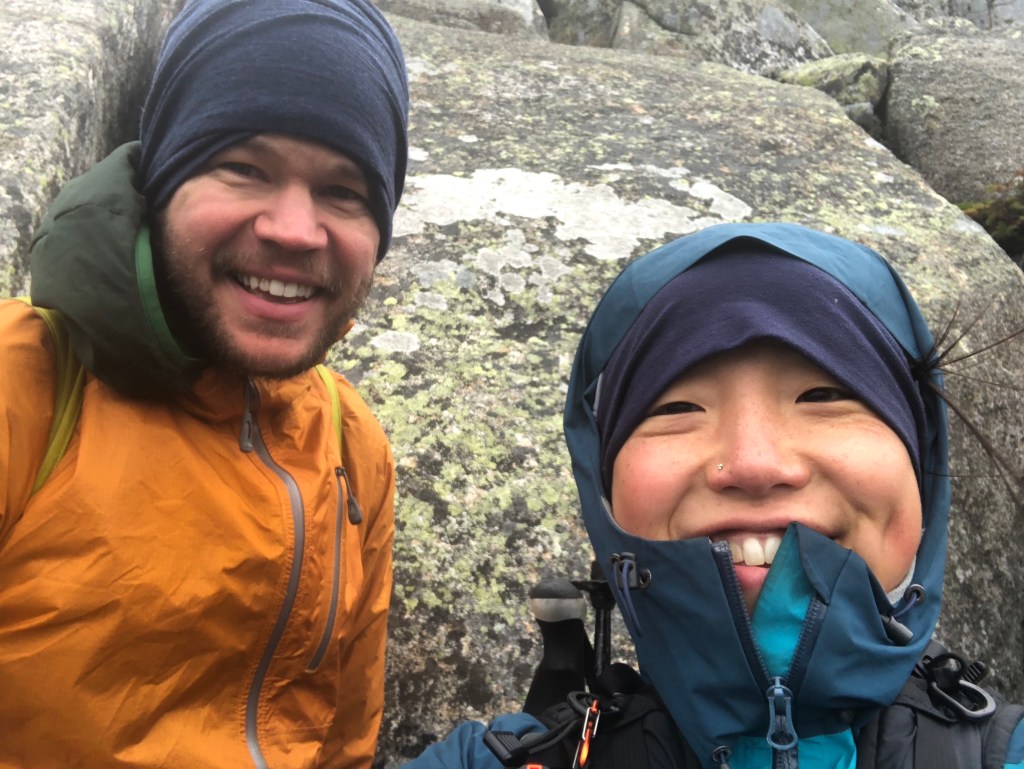
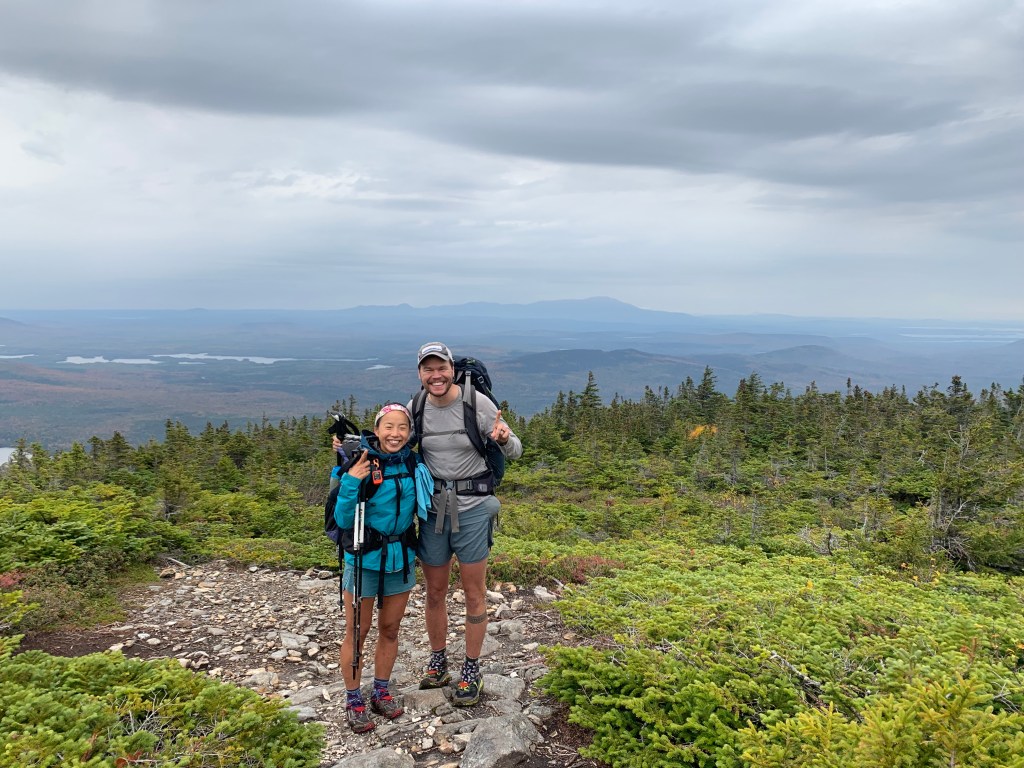
We made it. We summited Baxter Peak on Wednesday, October 2, 2019 around 11am. Five months and eight days after starting from Amicalola Falls in Georgia, we arrived at the southern terminus – Mount Katadhin in Maine – and completed our thru-hike of the Appalachian Trail.

After the 100 Mile Wilderness, we wanted to be well-fueled and well-rested for our last day, so we spent the night at a hostel in Millinocket. This meant that our summit day started early at the Appalachian Trail Cafe in Millinocket around 5:30am so we’d have plenty of time to chow down a large breakfast of eggs, tater tots, breakfast burritos, and coffee with real cream before we shuttled back to Baxter State Park and the trail.

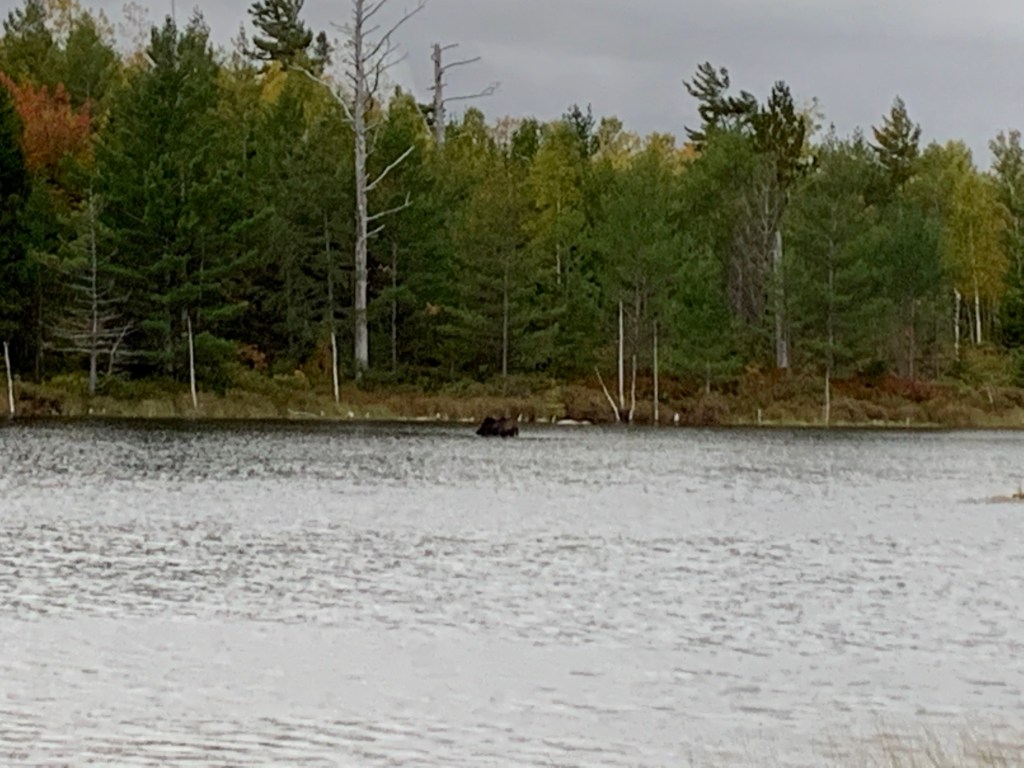
Through all of Maine, we had anticipated seeing a moose and on our way into Katadhin Stream Campground, Ole Man (owner of the AT Lodge, the main hostel in Millinocket) helped us spot this moose at Stump Pond. The large cow below looked more like a brown rock to us, with her head under the water.

Overall, our last day would be a relatively short day. The hike up Katadhin on the AT follows the Hunt Trail to the summit – about 5.2 miles with 4179 feet of elevation gain.

Before we started climbing, the day was relatively warm – in the 50s and cloudy. As we progressed up the mountain, that quickly changed and we quickly layered up.

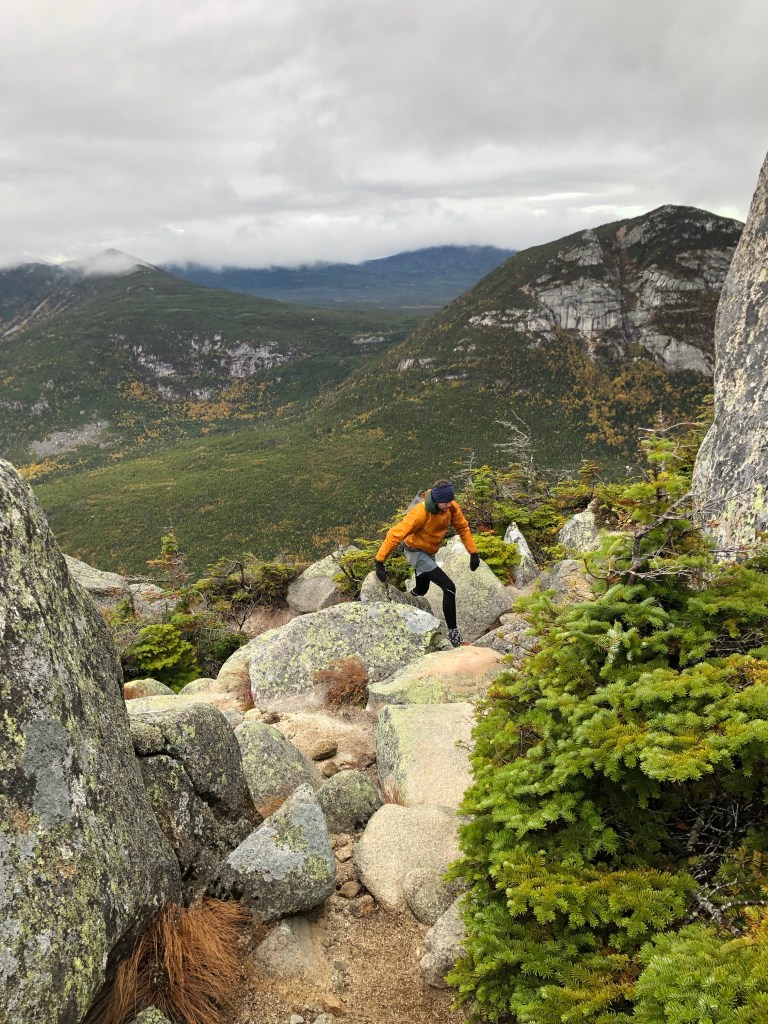
By the time we reached the tree line, the wind became very strong, and I didn’t get any good photos of the scrambling section of our climb for fear of losing my phone in the rock crevices. It was a short section but definitely required as much shoulder and arm strength as we needed through Mahoosuc Notch.

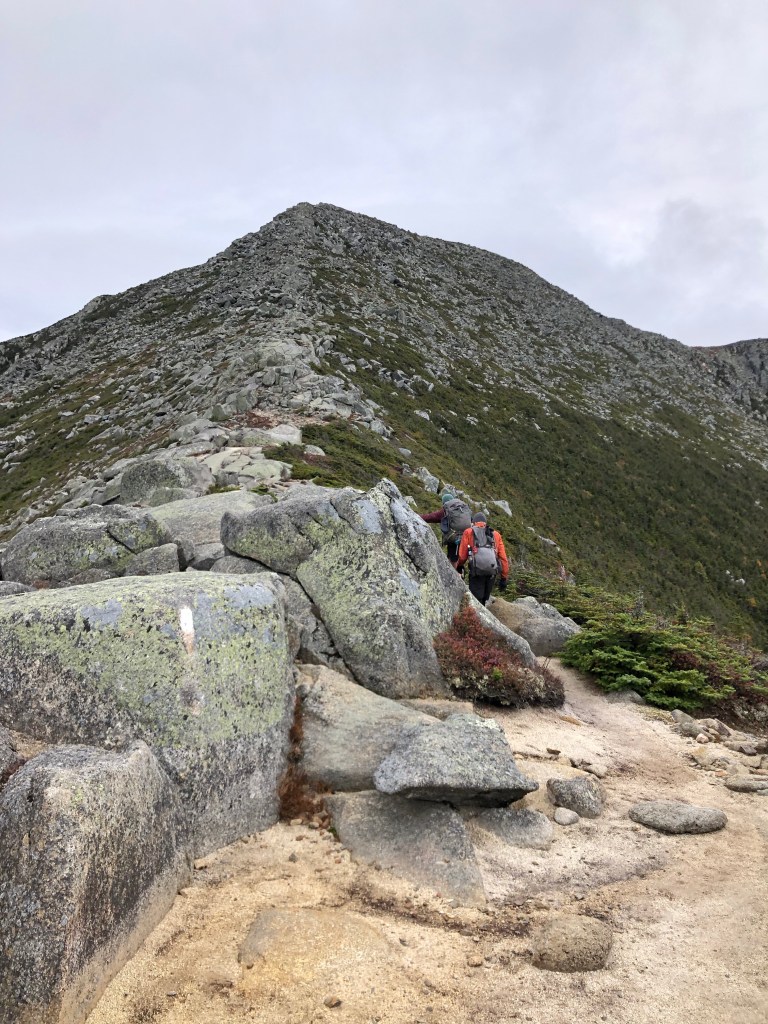
The last of the white blazes en route to Baxter Peak

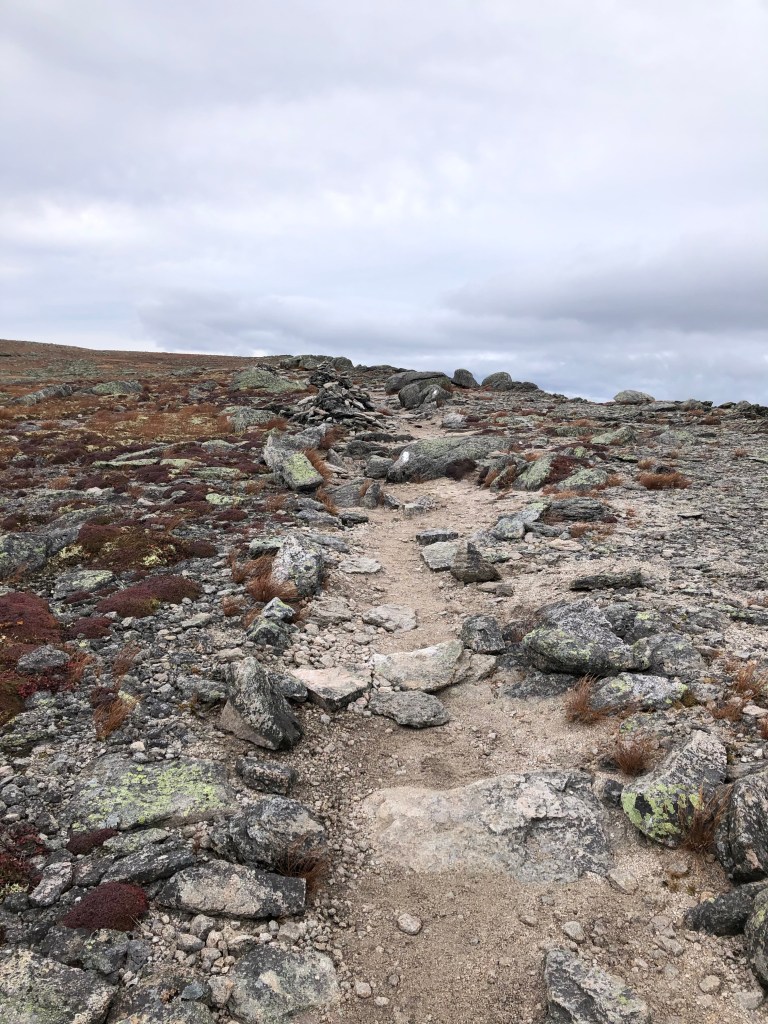
When we made it past the scramble, we reached a rocky, flat area known as the Tableland. I was still tired from climbing rocks, but this where John’s adrenaline kicked in and he started pushing the pace to get to the peak. I started to lag behind and I embraced the “Snail” part of my trail name.

It felt pretty surreal to reach this point, where we could see our last stretch. We had discussed this for months, with increased regularity through the 100 Mile Wilderness: whether we would make it here without trail-ending injuries or just getting fed up with the bugs in Connecticut and the heat in Pennsylvania, what would Mount Katahdin look like and feel like to hike on (we avoided online accounts and YouTube to retain some surprise for ourselves), and how we might feel again coming down from our last peak on the trail.

But like all parts of the trail, you’re just there and that moment doesn’t last too long. And so you do your best to be there and remember the brief respite we had from the lashing wind behind a very large boulder, the stop I made at Thoreau Springs (despite John’s excited anticipation for getting to the top), rock hopping through the puddles on the Tablelands, and that the rocks can still be pretty jagged and dangerous even on what appears a benign last mile to the summit.

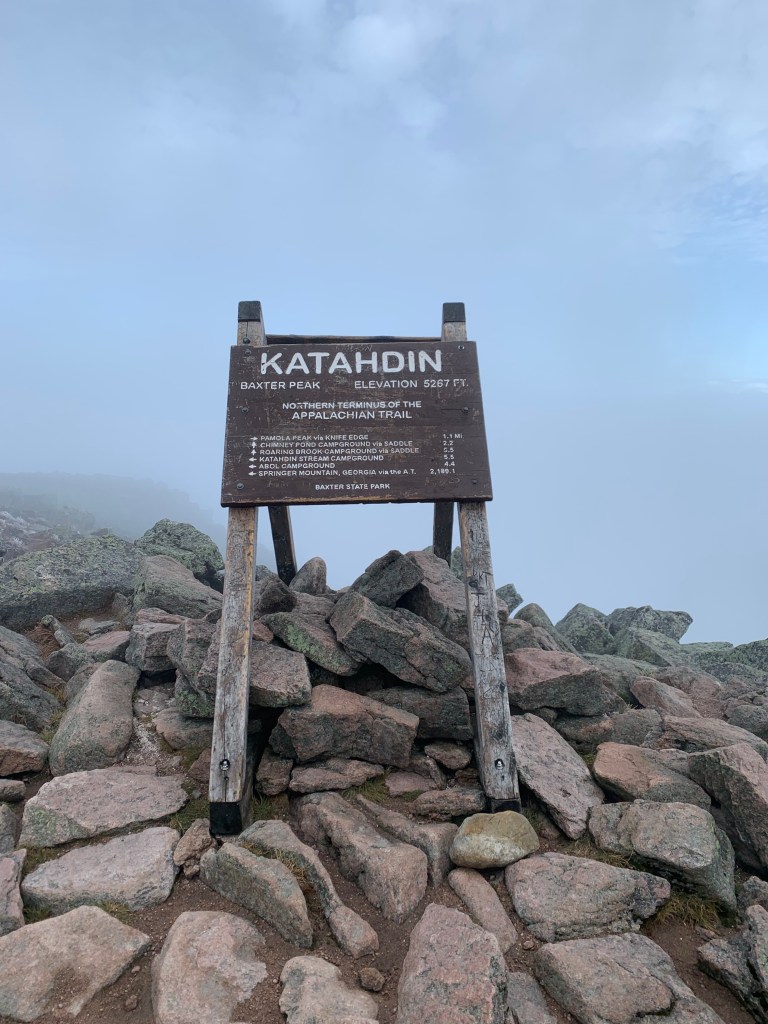
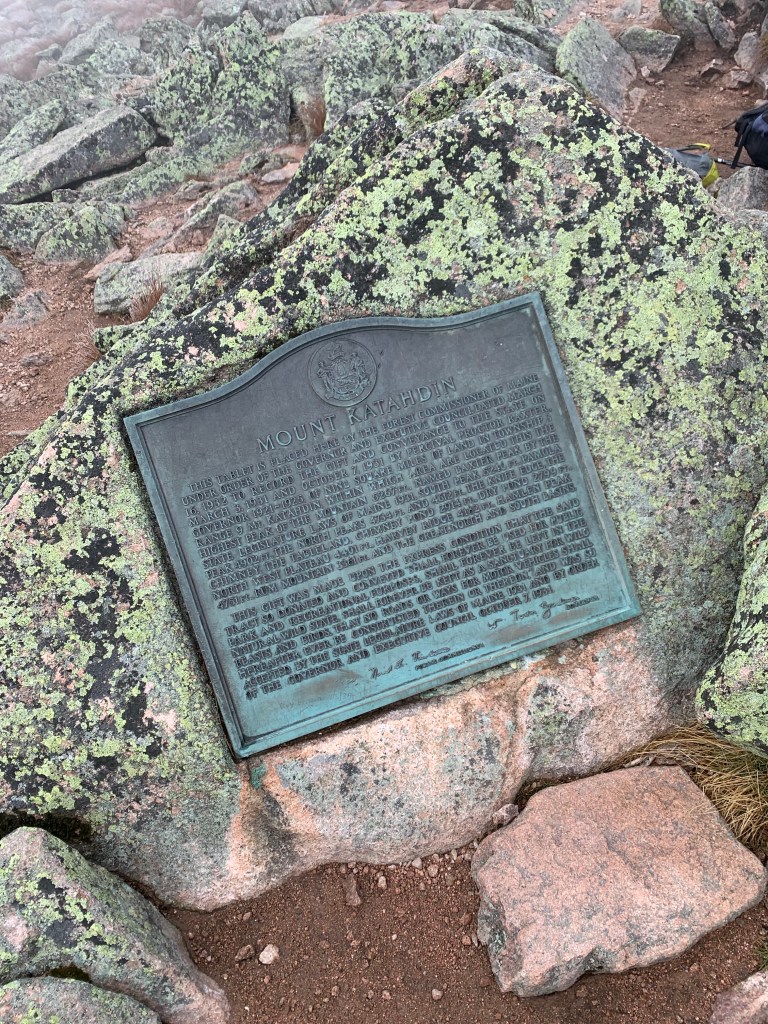
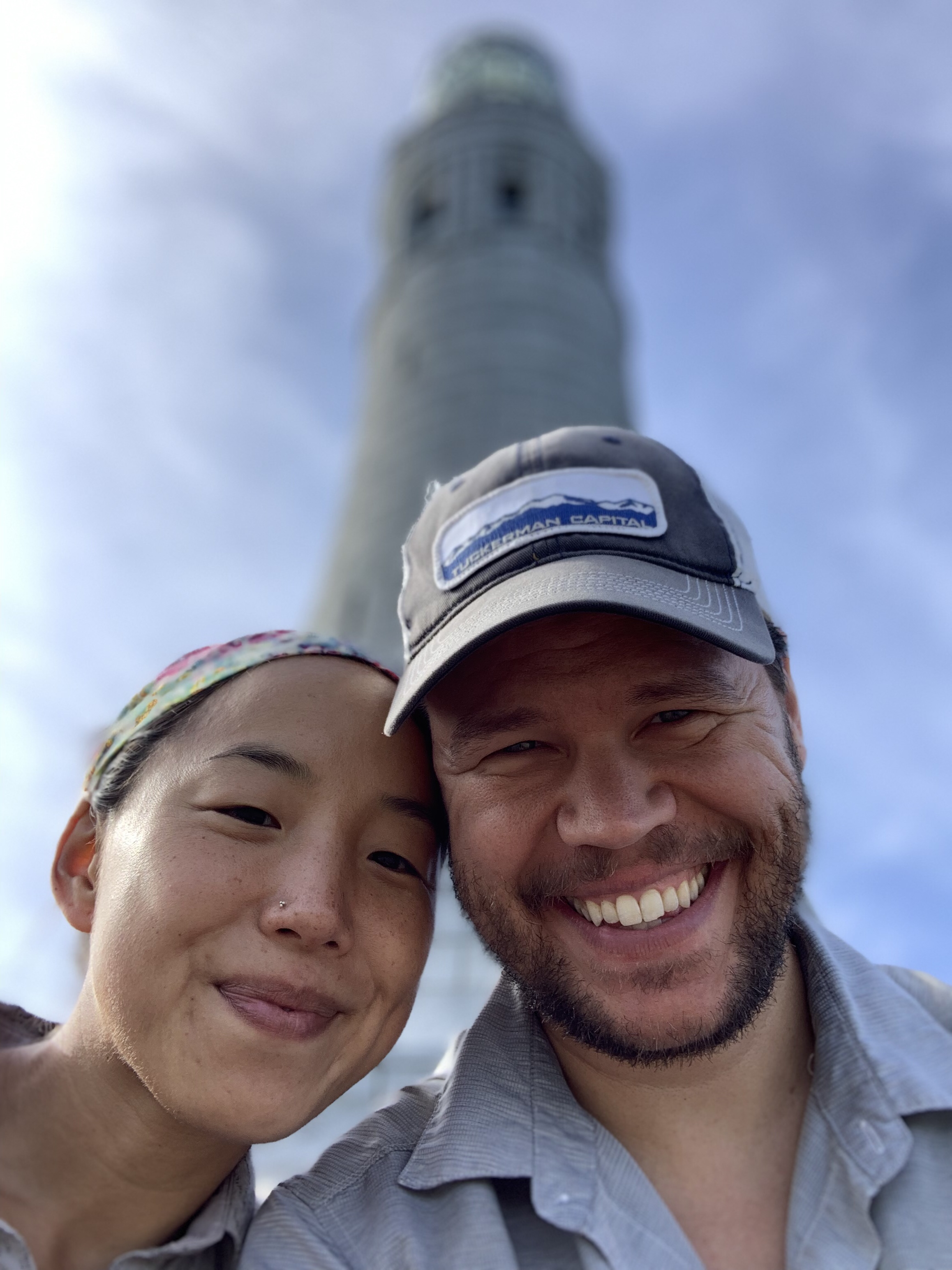
And then we were there. The final sign that marks the top of Baxter Peak. For a thru-hiker, the sign is well-known and the target of months of hiking. Over the backside of the sign, there is a beautiful view of Chimney Pond, and to the side there is a small dedication of Mount Katahdin.

We found ourselves in a cloud sandwich on top of Katahdin.

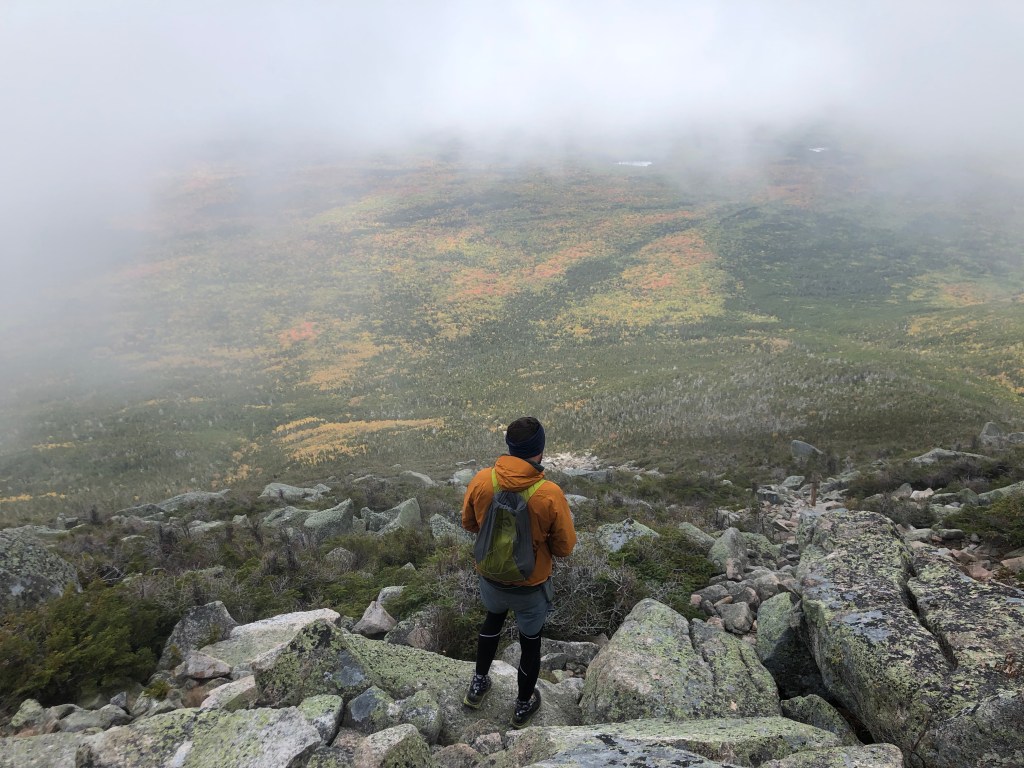
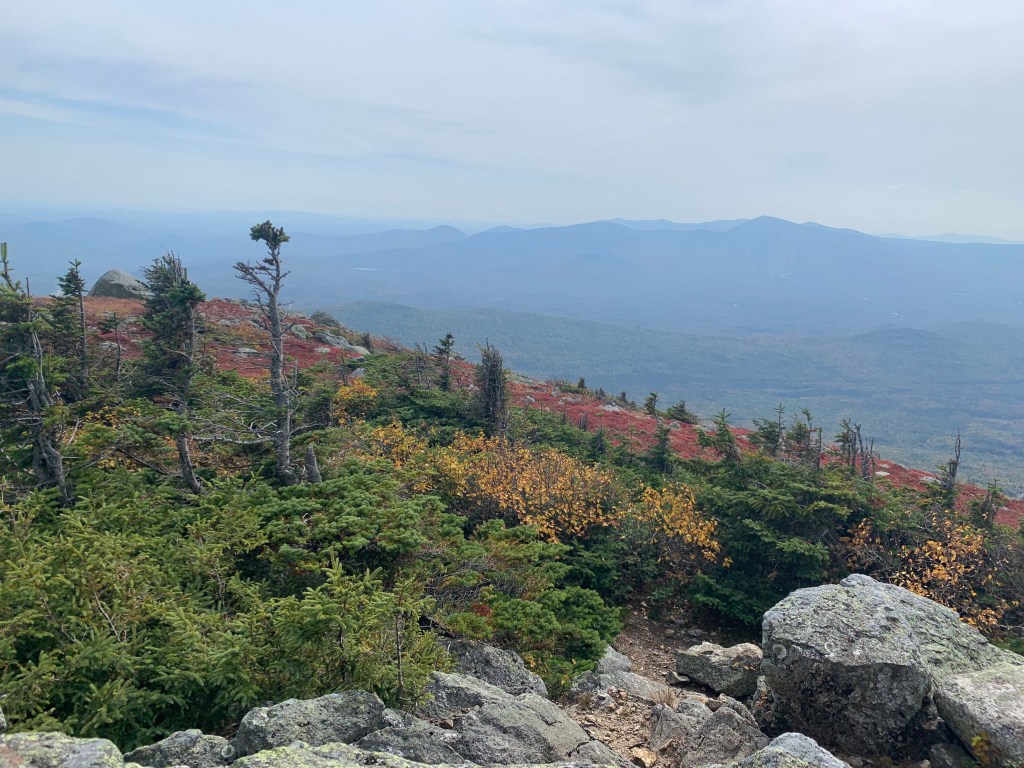
We celebrated briefly, and then started the descent. The Appalachian Trail doesn’t count the hike up Springer Mountain, nor does it count the hike down Katahdin – but every thru-hiker has to do both. On our descent, we took the Abol trail where the clouds opened up and we caught spectacular glimpses of leaves and lakes below.
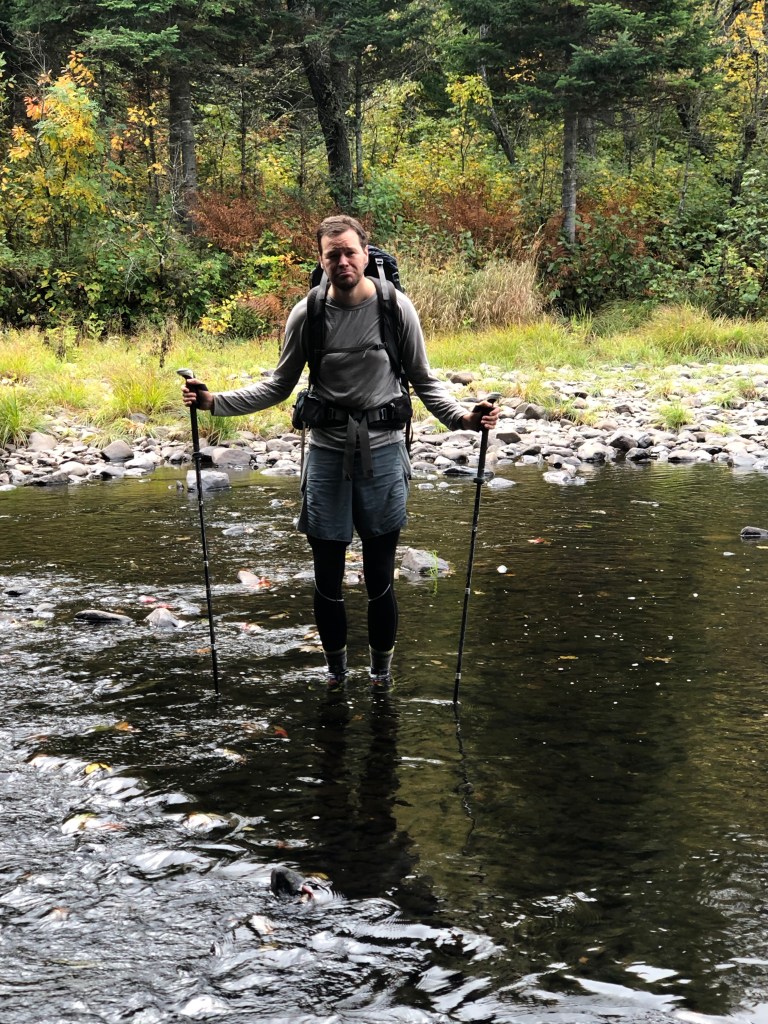
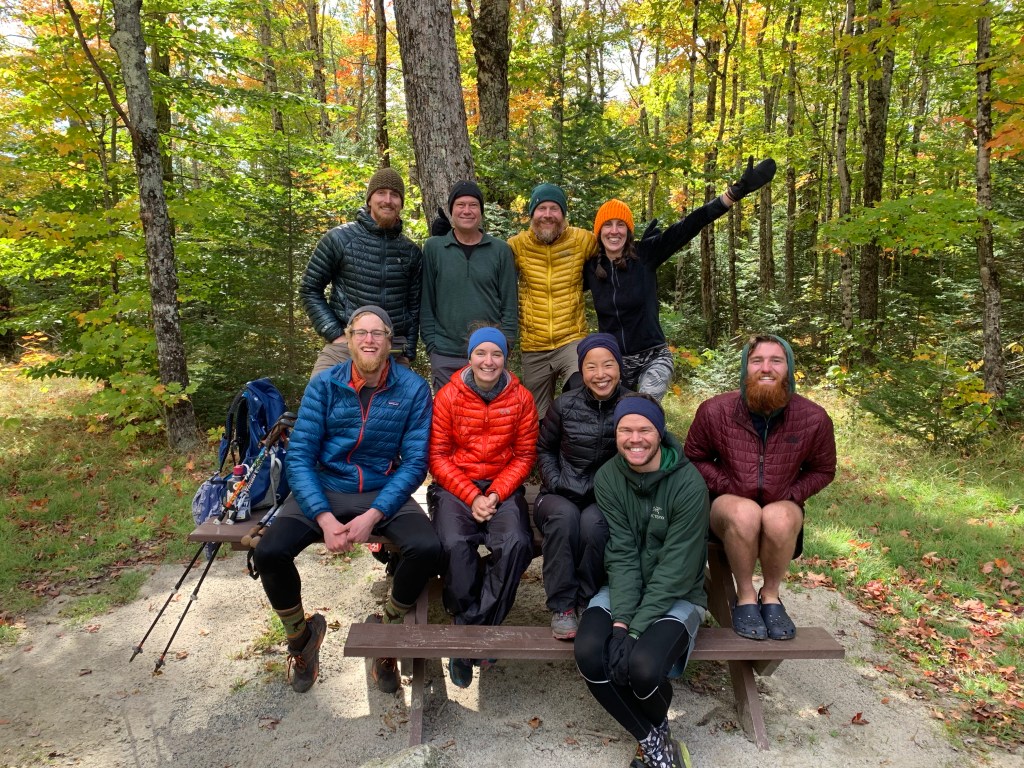
At the bottom of Abol, we met up with several hikers who finished with us.

From there, we went took a shuttle and a bus to Bangor, Maine the next day, where John and I picked up a rental car. We drove with two other hikers, Fastball and Scooby, to Portland, Maine where we indulged in hard-won lobster rolls and gigantic ice cream cones.

On trail, we had a lot of practice. We practiced hiking and backpacking, ascending and descending mountains, eating out of ziplock bags, and setting up our tent in all conditions. We practiced being aware of and managing our expectations and our discomfort. There were many times we didn’t think we had expectations for what a section or a day would be like, but of course we did. We practiced sharing an experience with many people who all approach hiking and backpacking and camping in their own unique way. We practiced giving and receiving.

John and I spent 163 days on and around the trail, walking most of the estimated five million steps together, living in twenty-nine square feet, and carrying about 45 pounds of gear, food, and water between the two of us to live. Hiking the trail from start to finish is one accomplishment. By the end of the trail, we had our backpacks winnowed down to the bare essentials and everything had its place. We became masters at logistics, planning, and dividing up camp chores. We had learned more than we ever thought possible about our differences in pace and approaches to hiking and communication styles.

And now we are home. Our shoes don’t quite fit how they used to. Our feet are still tender from the many miles we’ve hiked, and our bodies and minds are not yet used to sitting in front of computers. Our wedding is approaching, and our talk has shifted from where we’ll find water to how to start our own business.

Being home requires reintegration. When we first started hiking, we started with low miles, around eight a day, and slowly increased to 20+ mile days. Similarly we need to lean slowly into life at home and acquaint ourselves with this new home and work experience. The trail changed parts of us; it added to who each of us is and who we are as a couple. So for now, we’re still caught somewhere between home and trail.

And that’s okay.

Featured

#14: Maine

One of the architects of the trail was Myron Avery who also happened to be a Mainer. He helped to ensure that the trail, when heading northbound, ended in Maine, which has 281 miles with some of the best trail, views, woods, and lakes the entire AT has to offer. Maine is pretty fantastic!

We arrived in our fourteenth and final state on September 7 a bit battered from our hike through the Whites. We’d heard a lot of trail talk about how challenging the first couple of days in Southern Maine would be, and so we braced ourselves for Mahoosuc Notch “the hardest mile on the trail.”

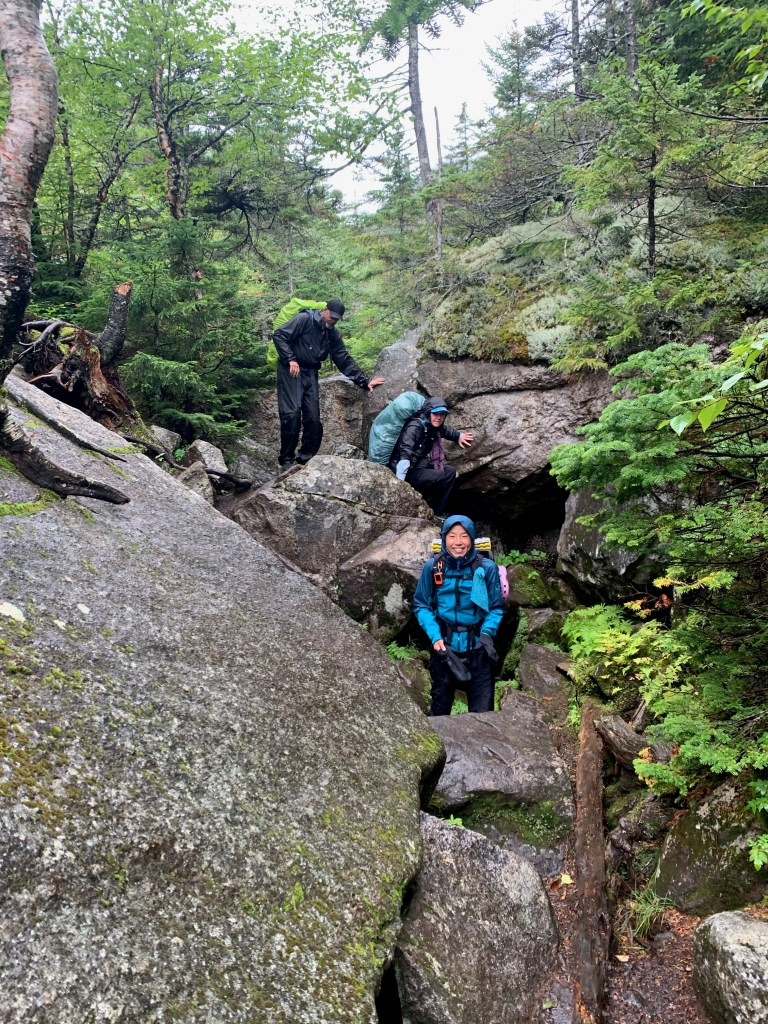
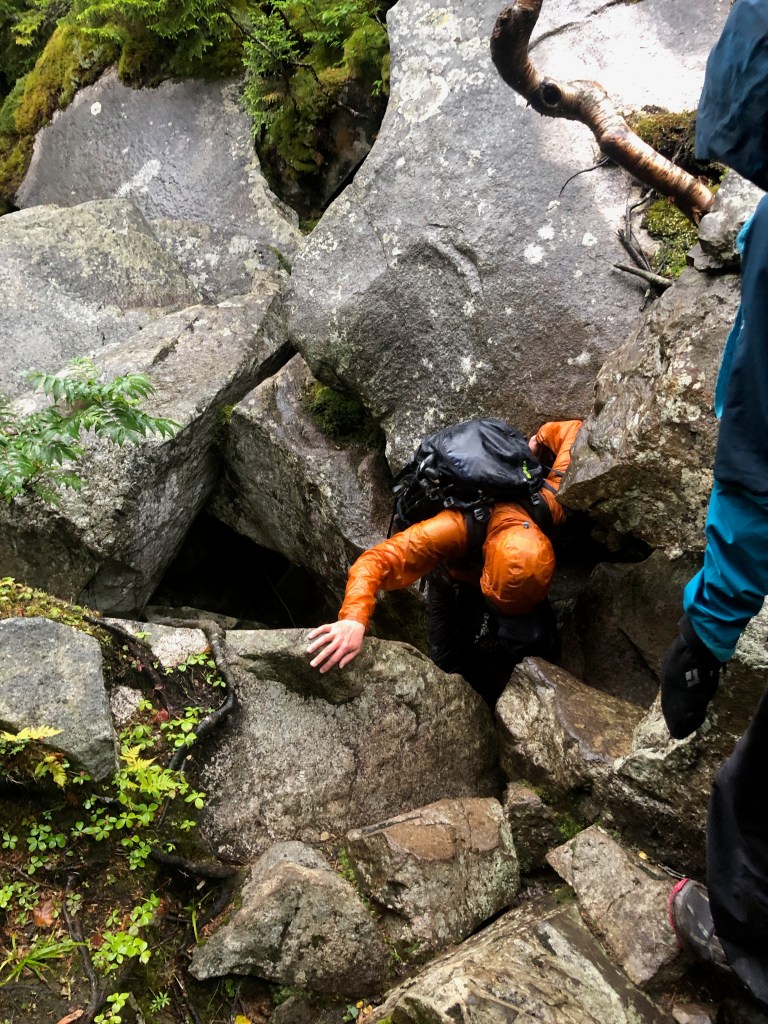
If you’ve read John’s post on Pennsylvania, you are familiar with our rock rating system. Mahoosuc Notch felt like a 4++: a pure scramble across, up, and underneath boulders at the base of a mountain. Additionally, we had heard repeatedly, “don’t do it in the rain!” and of course there was a cold drizzle when we set out that morning.

We were still hiking with Tadpole and Survivor and ended up having a good (albeit tiring) day of very challenging hiking. The bulk of Mahoosuc Notch felt like a rock jungle gym. We spotted each other, helped move backpacks through narrow crevices, and worked together slowly through the Notch. The total mileage for the day was 9.7 miles, and it probably took us a solid 11-12 hours to get through the Notch, up the Arm, and up and down Old Speck. Hands down: the most physically challenging day of hiking.

It helped to know that we had an eight day respite from the trail. We planned to leave the trail at Grafton Notch to visit John’s parents in Atlanta and then attend a wedding in Minneapolis. (This was our second trip off-trail; we also spent two days in DC when we arrived in Harpers Ferry.) This time we left our backpacks and poles at The Cabin, a hostel in Andover Maine.

We welcomed the break from the tough terrain. We both had a cold and slept even more than on trail while we were in Atlanta and St. Paul. By Day Five, though, we were ready to return to the trail, especially knowing we had one of the best stretches of trail ahead of us.

When we returned from the trail, we enjoyed a couple of days staying at and slackpacking (day hikes) from The Cabin, which turned out to be one of our favorite hostels on trail. Honey and her late husband Bear have hosted hikers for years, including AT celebs like Earl Schaffer. Honey’s brother was deeply involved in creating the trail in Maine as we know it today. And Hopper knew the trail better than anyone we had met on trail. She could tell us exact spots to get cell reception so we could call them and have a just in time pickup at the trailhead. The two of them made hiker hunger sized dinners and breakfasts and seemed genuinely invested in the hiking community and each thru-hiker who visited them. We also met Odie, of AT yearbook fame, who was helping out for a few days.

Also, at this point, we didn’t have many more days that were as challenging as our Mahoosuc Notch / Mahoosuc Arm / Old Speck day. We did decide that we wanted to finish in time for John’s Tuck reunion, which started on October 4th. We made two plans: one for finishing on October 2 and one for October 3rd. It involved no days off, some 18+ mile days on easier terrain, some 15-17 mile days with a fair amount of elevation gain. Everything is relative on the Appalachian Trail, though, and I have to say that most of these days still felt like a relief after the Whites and Mahoosuc.

Cloudy views on Baldpate
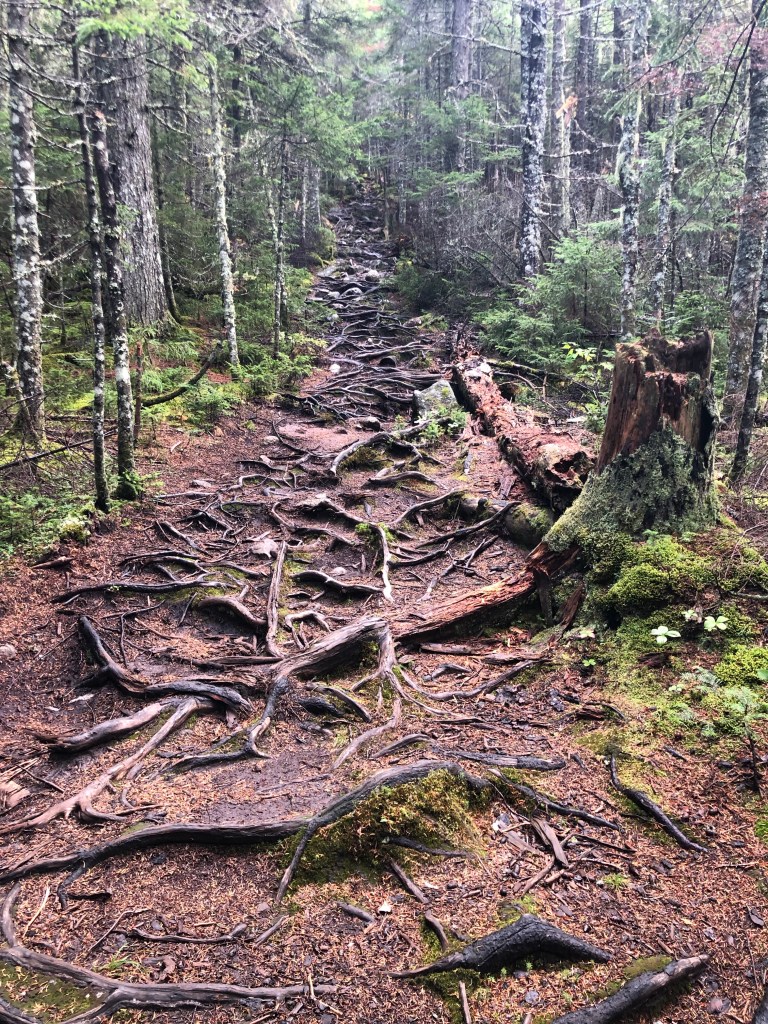
Rooty terrain in Maine

Maine has a number of lakes, ponds, streams, and rivers. We camped one night on Eddy Pond with the hope we’d spot a moose at dusk or dawn, but had no luck.

Eddy Pond. Not pictured: Maine moose.
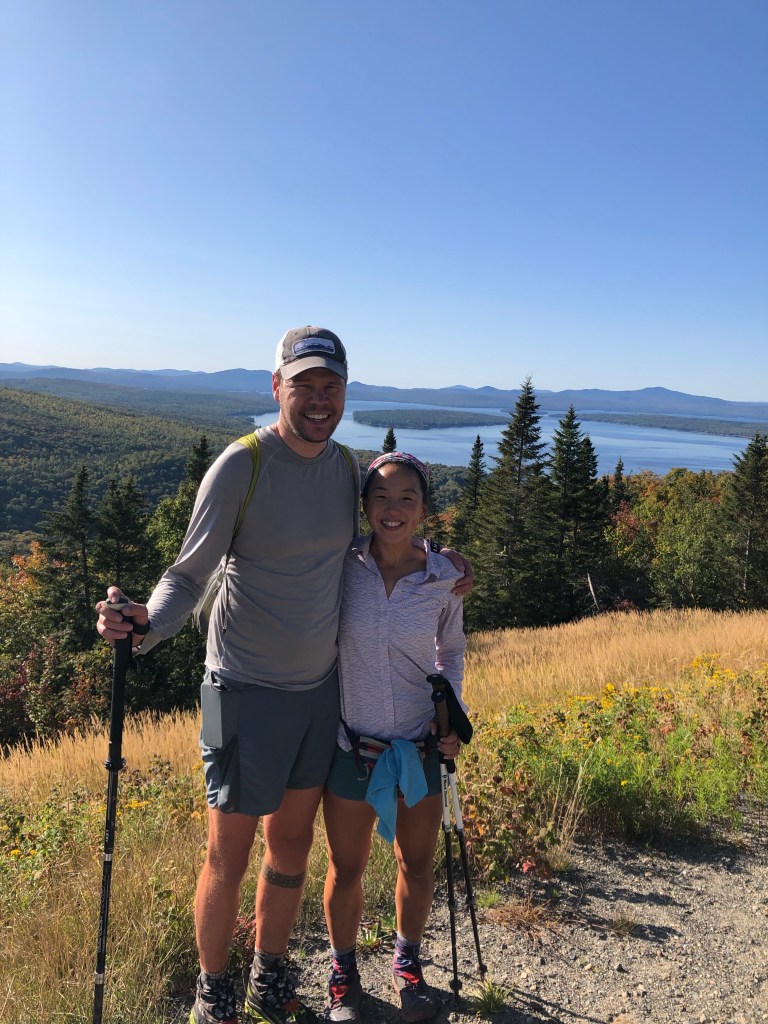
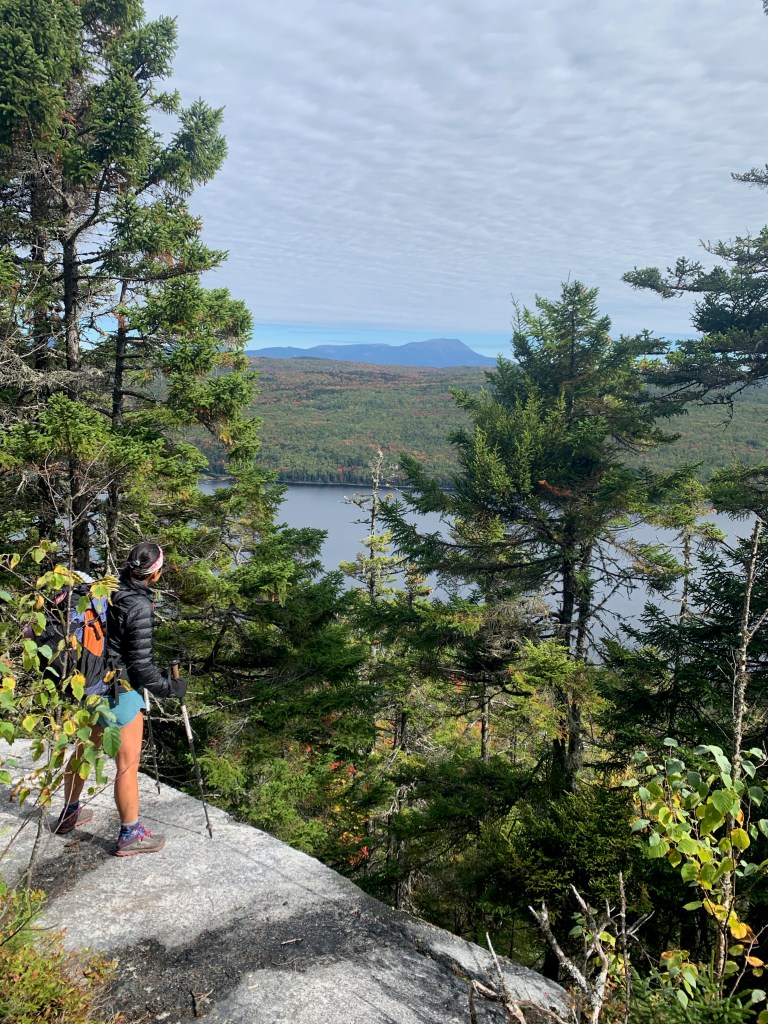
At Height of the Land with a view of Mooselookmeguntic Lake
Days were much shorter in Maine.

People often ask us where we’d recommend they “try out” the Appalachian Trail. And I’d say, most of Maine is worthy. Specifically, a weekend hike over the Bigelows or a longer section like the 100 Mile Wilderness in 7-9 days would be a spectacular introduction to the trail. We were in Maine in September when it was cooler, few to no bugs, and the autumn colors were beginning to pop – an ideal time to visit Maine. Also, fungi is at its peak by in the fall.

Other things started to feel real when we arrived in Monson, Maine, the last town before the 100 Mile Wilderness. This is our last resupply! Our last set of tortillas and tuna packets! Our second to last hostel! Our last mountain before Katahdin!

The 100 Mile Wilderness is the longest stretch of trail that doesn’t have a major road or town nearby. Don’t be fooled though: there are still many forest service roads used for logging that intersect with the trail. Yes, it’s pretty remote but not as remote as we thought it would be. With six days of food on our backs, we carried more food through this section than any other . . . except for at the beginning when we had that infamous jar of almond butter and didn’t yet know what we were doing. Reaching the 100 Mile Wilderness, the end becomes very tangible. 115 miles left! Just 100 miles until Abol Bridge and Baxter State Park. Beyond that, one hikes just 10-ish miles to the start of the Hunt Trail. 5.2 miles later, you find yourself at the northern terminus of the trail.

Plus, in the 100 Mile Wilderness, you can begin to get your first glimpses of Katahdin.

Even with all of the excitement of being “almost done,” we tried to stay focused on enjoying our last days on trail, knowing that the simplicity of the trail is one of its greatest gifts.

Serendipities on Trail (and a MA and VT update)

At times, it seems that our world expands on trail, opening into the wide, expansiveness of the trail (“When will we reach that road/trailhead/town?!”) and other times, like in Massachusetts and Vermont, it has felt like we are just one or two degrees separated from people who seem like strangers.

Serendipity #1

One of the first towns you visit in MA on trail is Great Barrington. I hadn’t been to it, but was looking forward to visiting because I recalled that Orion Magazine, a magazine I like, operated out of this town. We celebrated John’s birthday here with pizza and carrot cake, but didn’t want to stay long because the “budget” hotels were over $200/night. Another thing is that these parts of New England have almost no hostels. But there are a handful of private homes and owners who let hikers stay with them.

This is how we found ourselves with Jess Treat. Her lovely, cozy home is in Sheffield, just a short drive from Great Barrington. Through conversation, we learned that she was published by Coffee House Press before my time (in the ’90s). She runs a bed and breakfast for hikers, and we stayed with her for two nights and enjoyed a couple days without our packs, blueberry pancakes, and her company as well as her friend Heath’s.

We found ourselves climbing mountains again. Yes, these are small mountains but after so many miles of pretty easy trail, we had to re-engage our muscle memory for ascending Greylock.

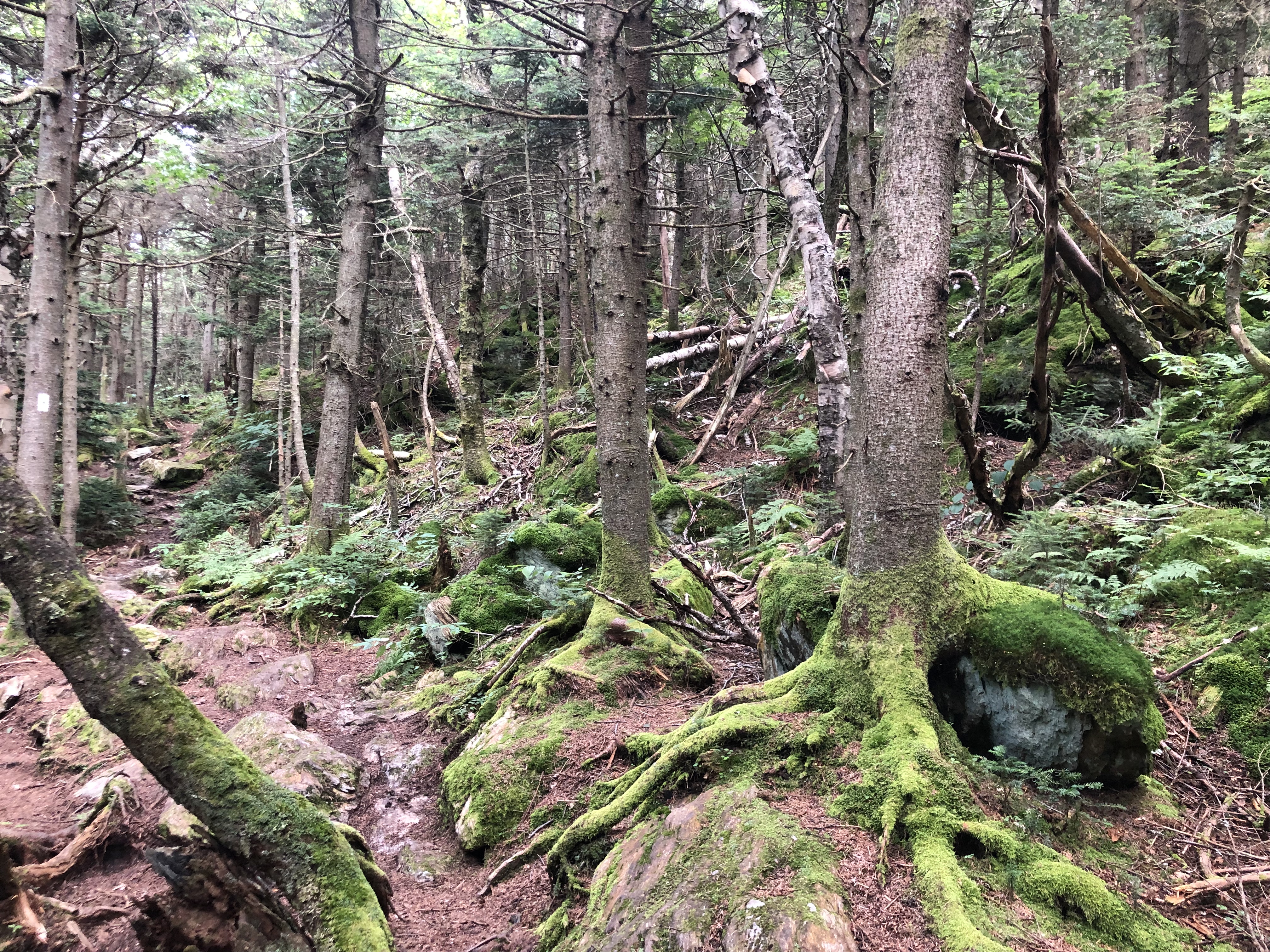
The upside to all of this climbing is the forest. The change from leafy and muddy spaces to mossy, coniferous forests is something we look forward to every time our muscles start yelping with fatigue. The moss is so thick it feels like carpet or velvet, and it is teeming with life-critters and bugs, mushrooms, ferns, and plants.

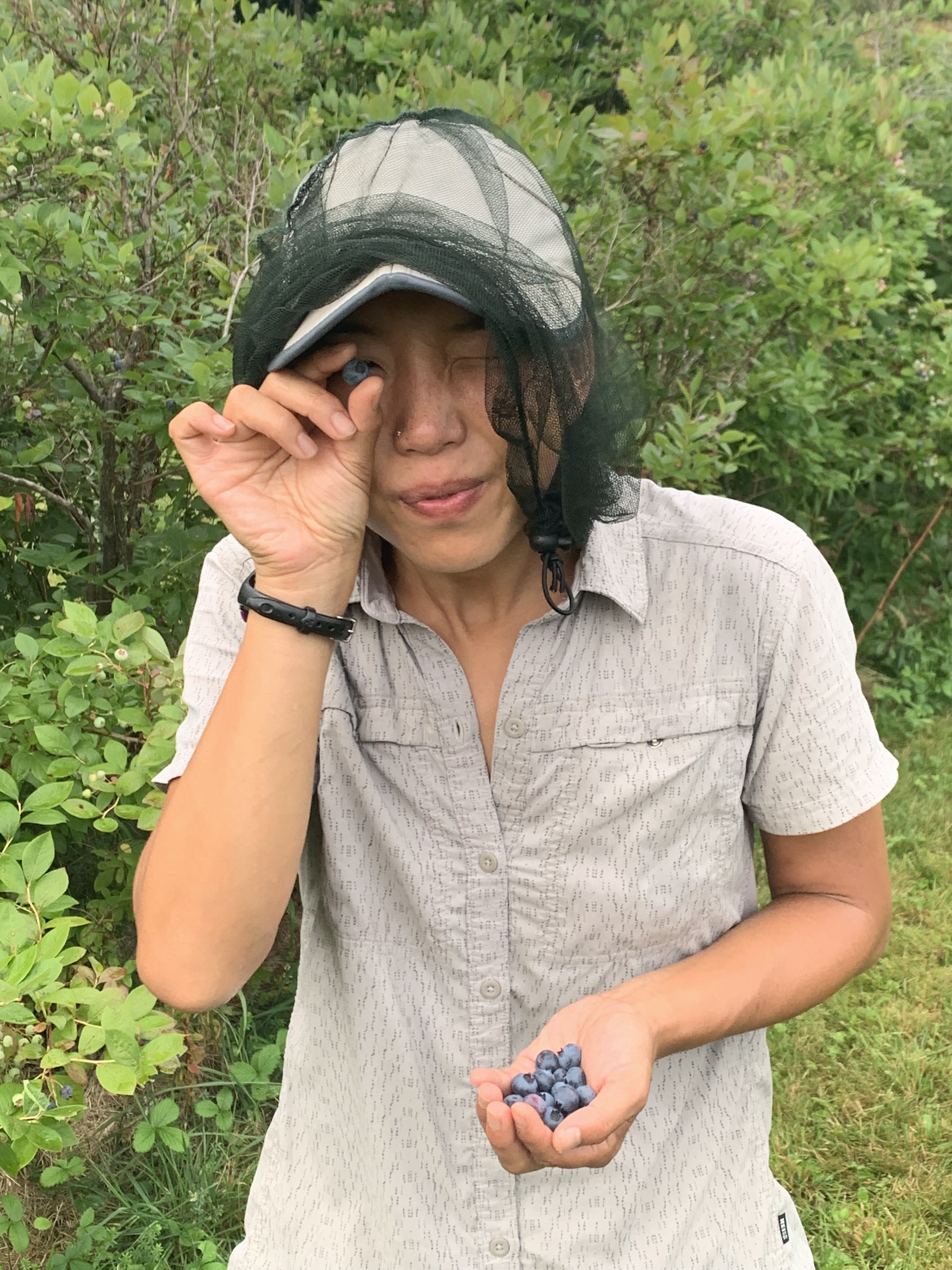
We made a short visit at the residence of “the cookie lady,” just outside Dalton, MA. John helped her water her flowers (she had recently broken her clavicle), and we both ate some cookies and picked blueberries.

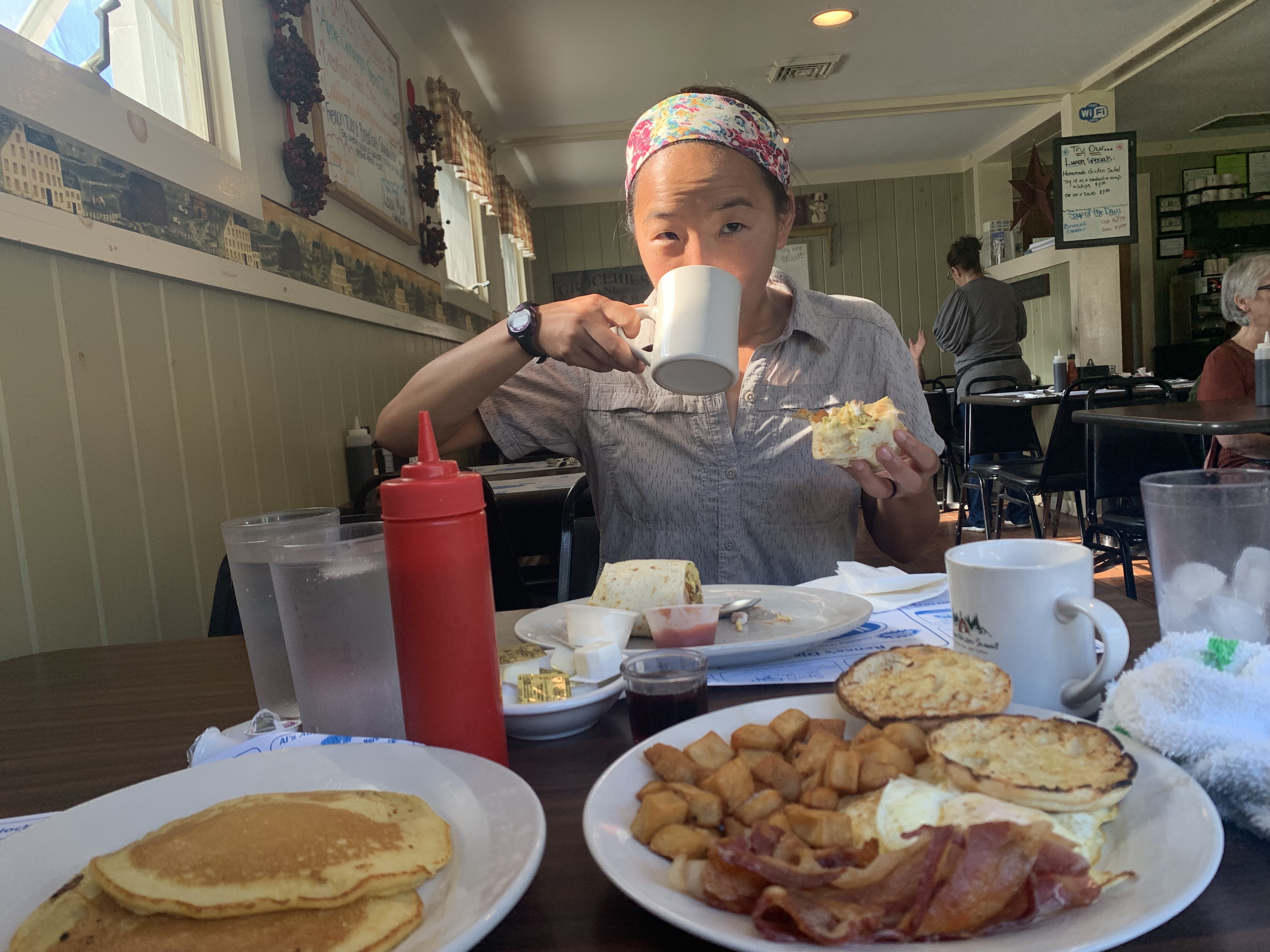
In North Adams, we trekked a full 0.6 miles off trail to score a breakfast and pack out a lunch at Renee’s. After a short chat with a couple at the diner, we later learned from the waitress that they bought us breakfast. Trail magic is amazing!

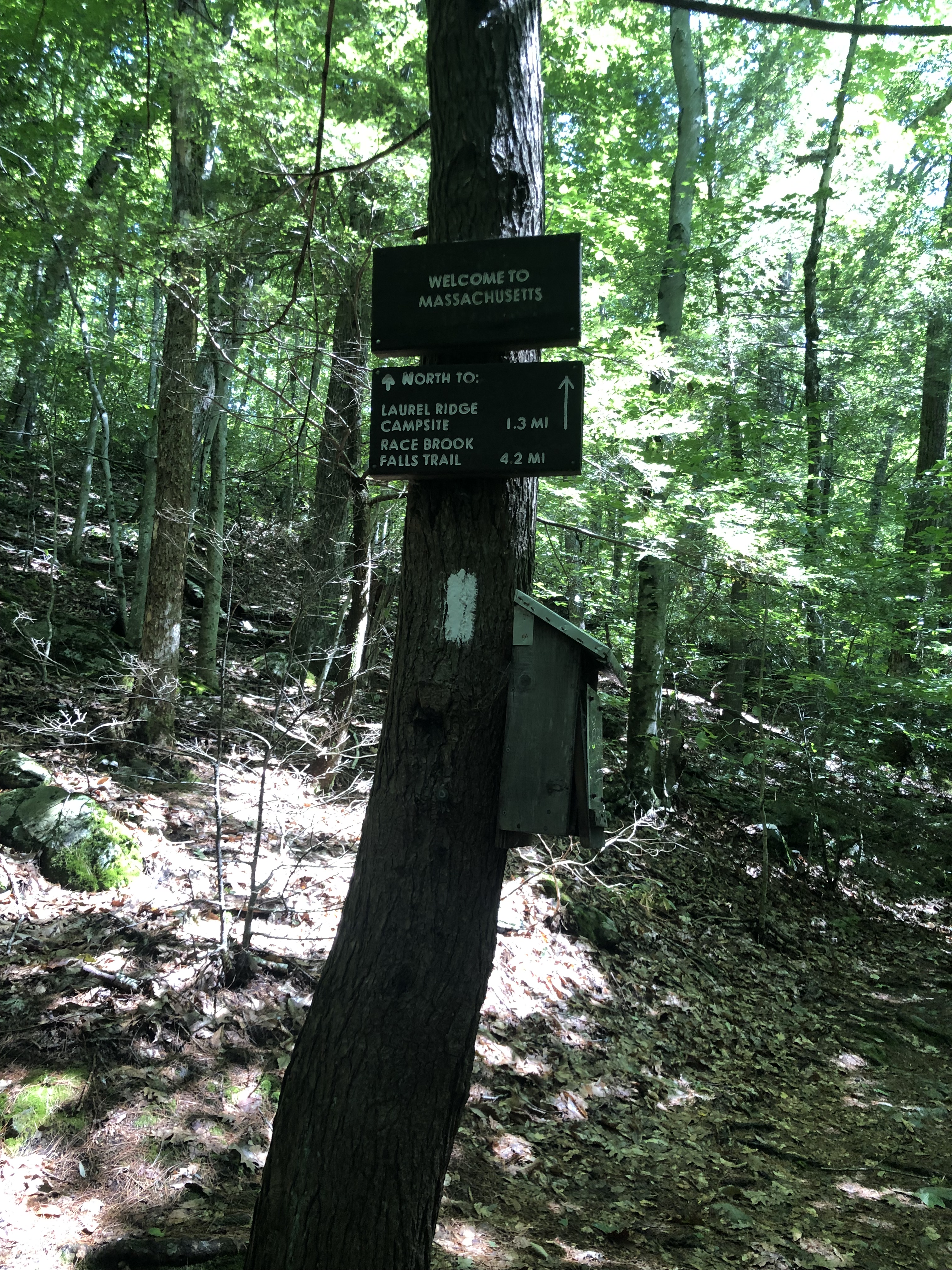
We made it to Vermont that same day, on August 15. With just three of fourteen states remaining, the end of the trail started to seem tangible.

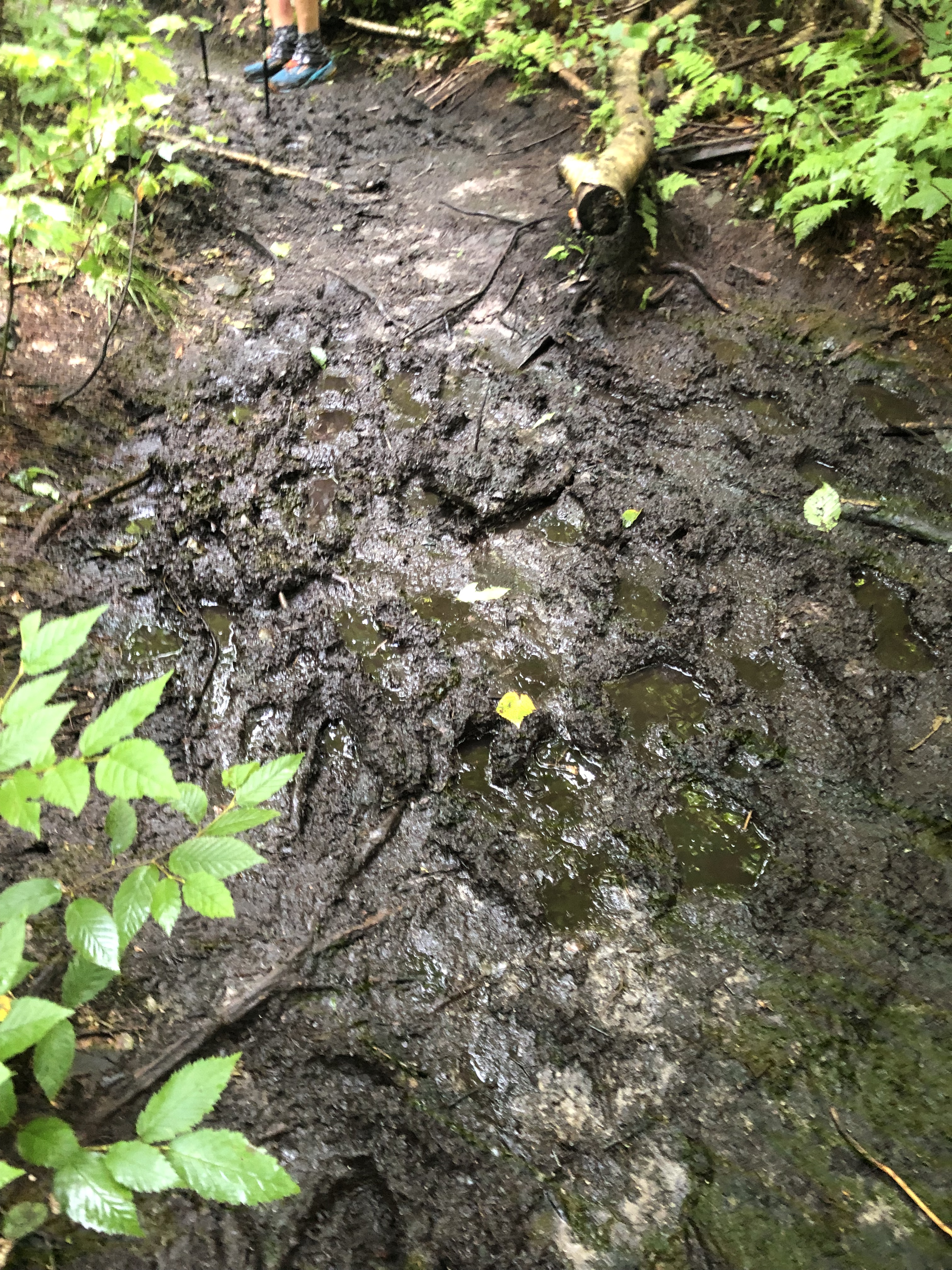
Then we met the Vermont mud. The first forty or so miles were some of the muddiest we have had so far (though we hear Maine has a lot in store for us).

The rest of the trail in Vermont was pretty fast, maybe some of the smoothest terrain so far.

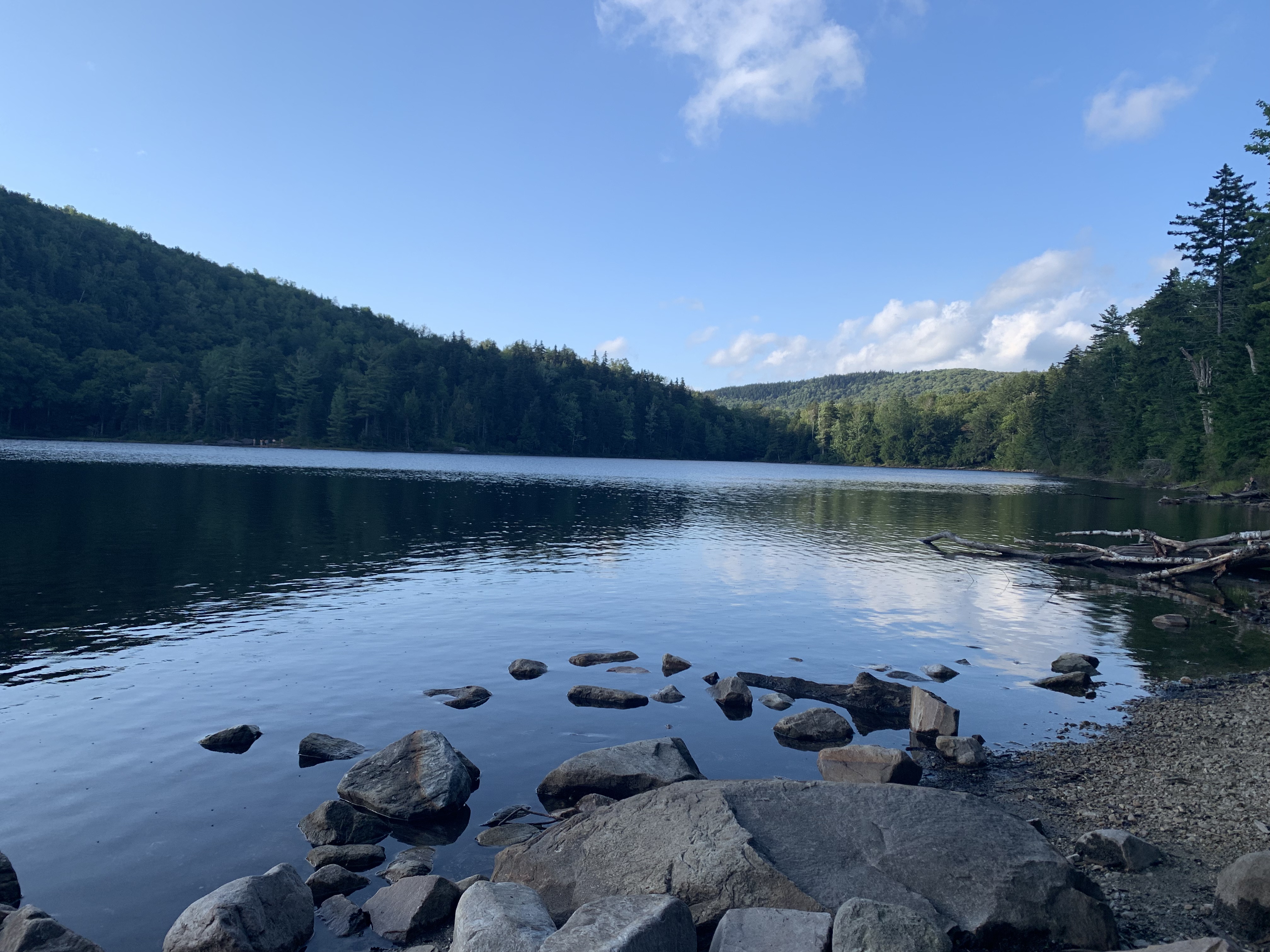
Vermont has a number of shelters and tent sites with caretakers and a small fee. We loved and took advantage of the “pond” sites. (These very large ponds made me wonder if there is actually a difference between a lake or a pond. For the limnologist view on the difference between lakes and ponds, I consulted this article from New Hampshire Department of Environmental Services. Enjoy!) We stayed at both Stratton and Little Rock Ponds and enjoyed one of the last of our summer swims.

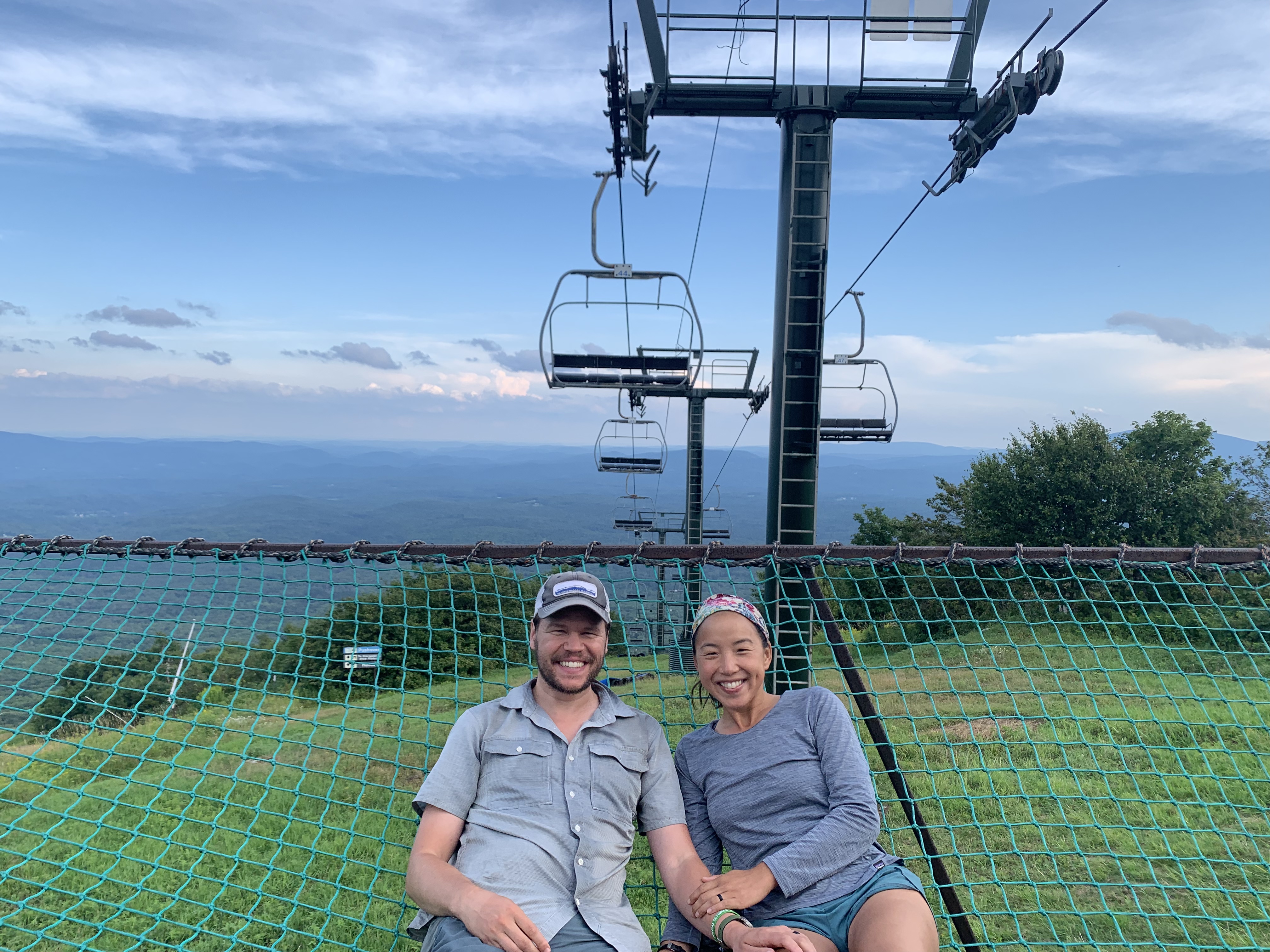
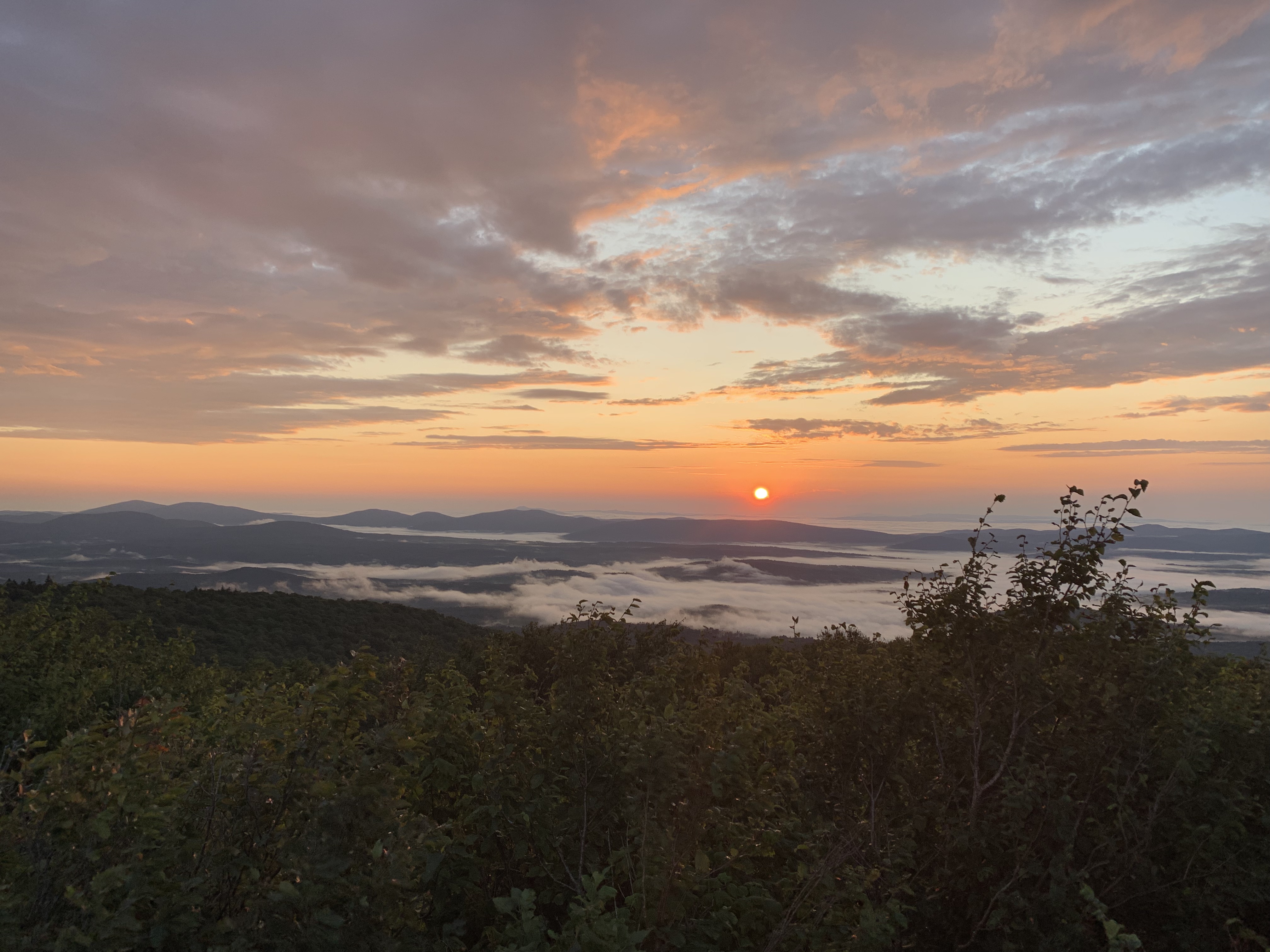
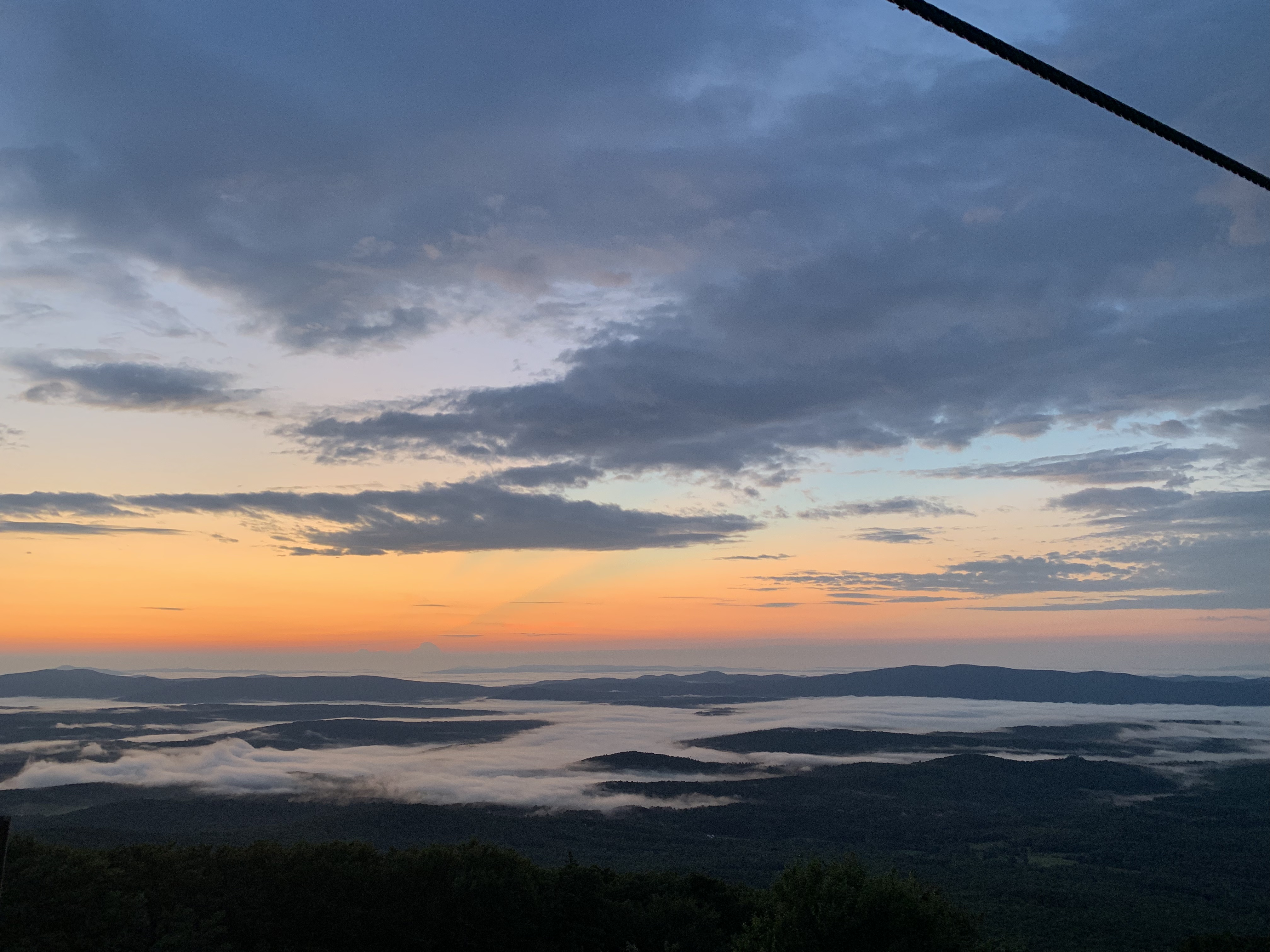
Maybe one of the most magical stays we have had was on Bromley Mountain, where they leave the ski patrol hut open to hikers. It’s a primitive cabin – no running water or electricity – but has the luxury of four walls, a door, and windows that open. It’s not usually safe to stay on a mountaintop without these amenities, and we were happy for the protection from the rain and thunderstorms. Additionally, Bromley has a chair lift with a safety net that makes for a cozy spot for taking in the first of the 360 degree views of the mountains. We listened to the thunderstorm that evening from the safety of the hut, and watched the sun rise and wash the mountains with its morning light. We left Bromley with a lot of anticipation for the mountains ahead of us.

Serendipity #2

We have mostly only hitched with a larger group of hikers. Once we were about to hitch into Glasgow, VA when a car pulled up for another hiker and we hopped in too. (Great Fish, thanks for standing out there and letting us mooch.)

But after Bromley, we needed to resupply and this required a hitch into and out of Manchester Center, VT. At the trailhead, we put our thumbs out for about five seconds before a small pickup pulled up with a woman named Susan behind the wheel and a lot of camping and hiking equipment in the cab. We jumped in to find out her daughter (“Little Beast”) is a thru-hiker we met back in Pearisburg, VA.

Serendipity #3

Hitching out of town was harder. We had filled up on town food (really good but pricey burgers at Depot Burger) and wanted to nap. But we smiled and tried to look harmless with our packs on and our thumbs out. After about ten minutes, a couple with a French accent pulled up and offered a ride. After some chatting, we discovered that the couple was from Boston and that the woman was a friend of a Wildflower teacher.

Killington Peak

We had another opportunity to have a friend join us on the trail. We shuttled ahead to the Inn At Long Trail and then went back to where we left off and hiked with Peter, a friend of John’s from business school, over Killington Peak.

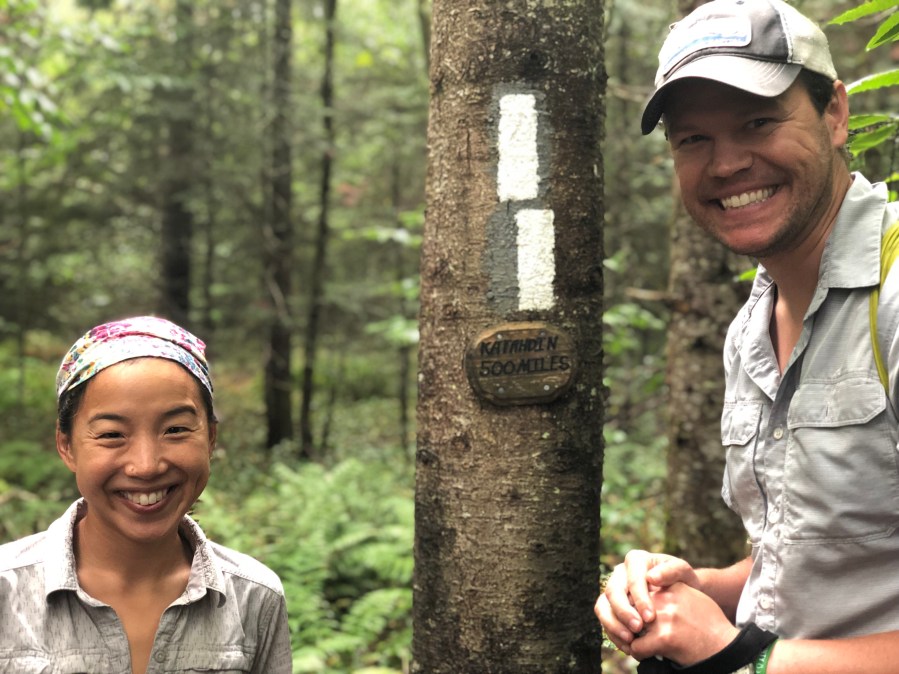
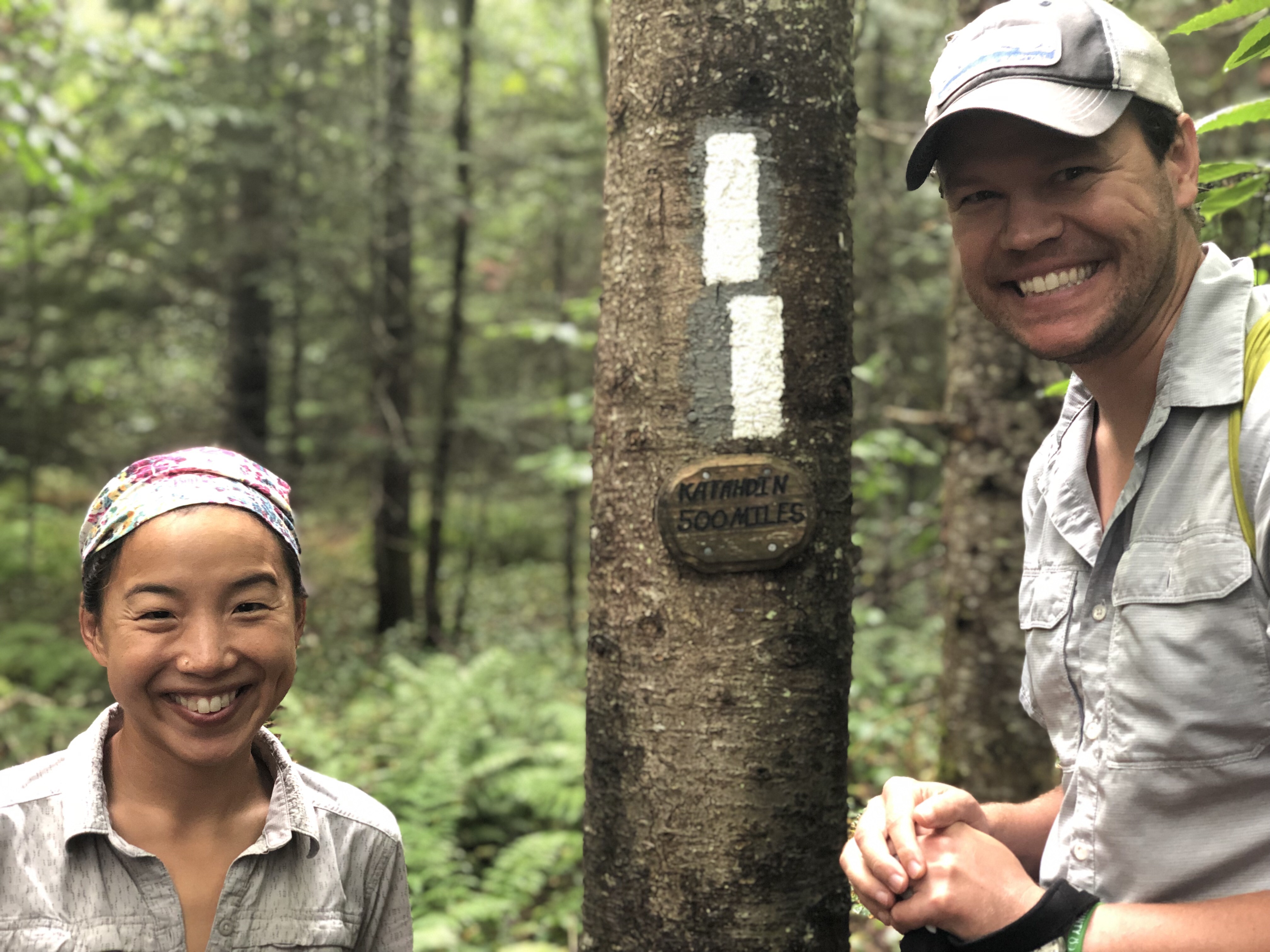
Along the way, we enjoyed the moss and mushrooms and then a sign indicating that we had just 500 miles to go! We. Are. So. Close.

We felt so good about our proximity to our trail destination that we took a day off with Peter in Burlington. We enjoyed the drive through the Green Mountains of Vermont and relaxing and taking care of town chores in Burlington. We bought groceries at the co-op there, which included lots of Vermont cheddar cheese and croissants from a local bakery.

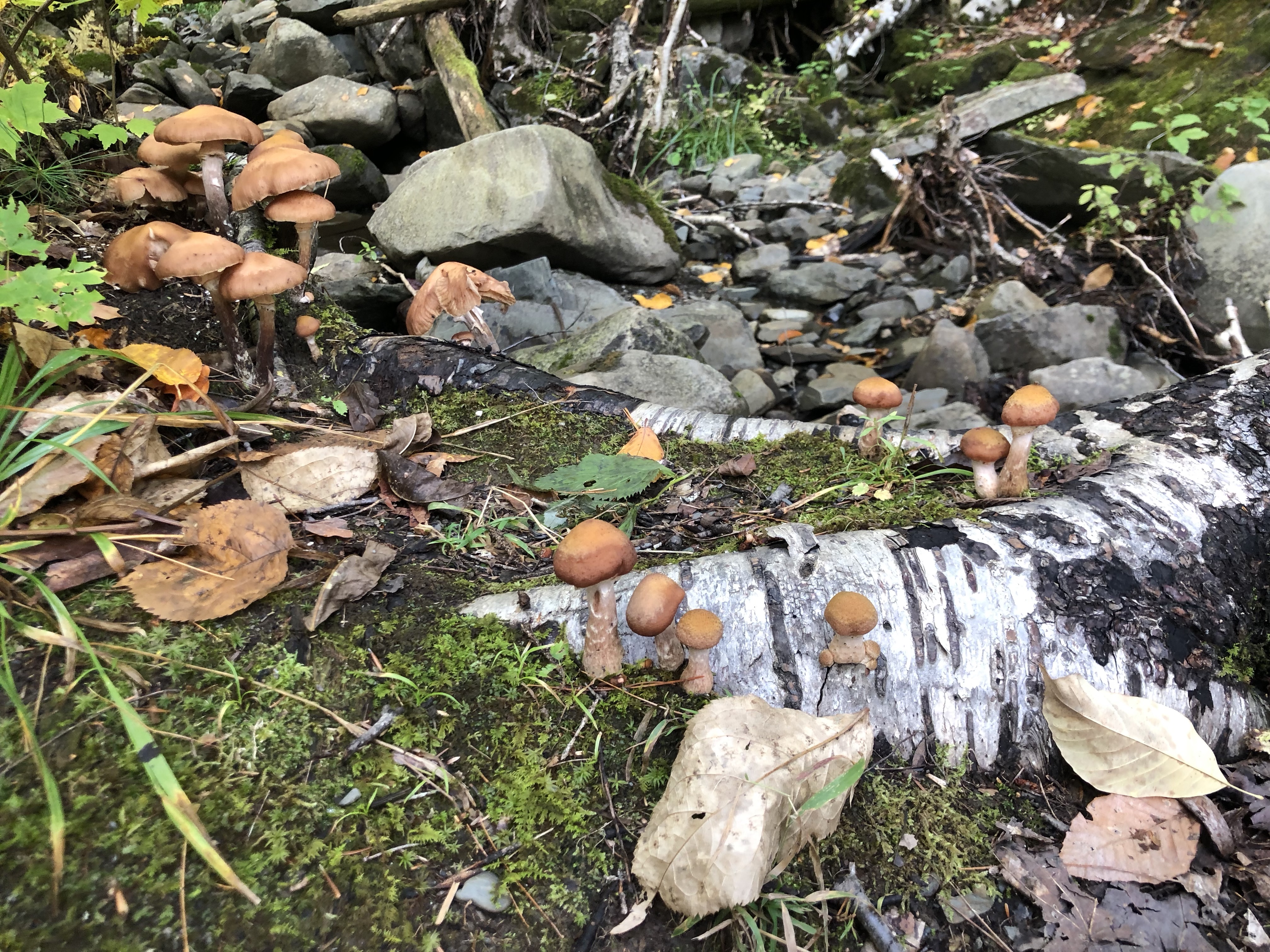
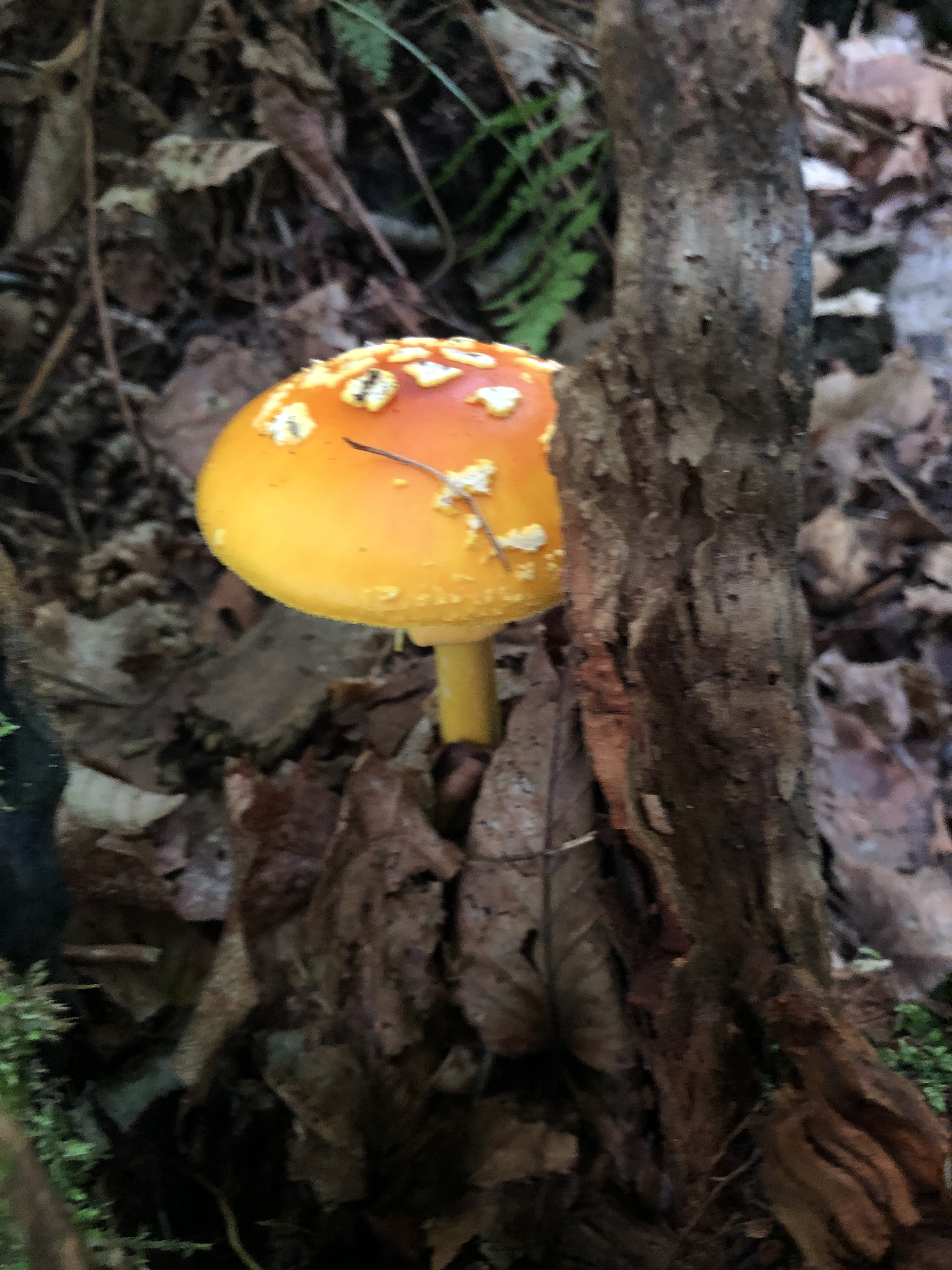
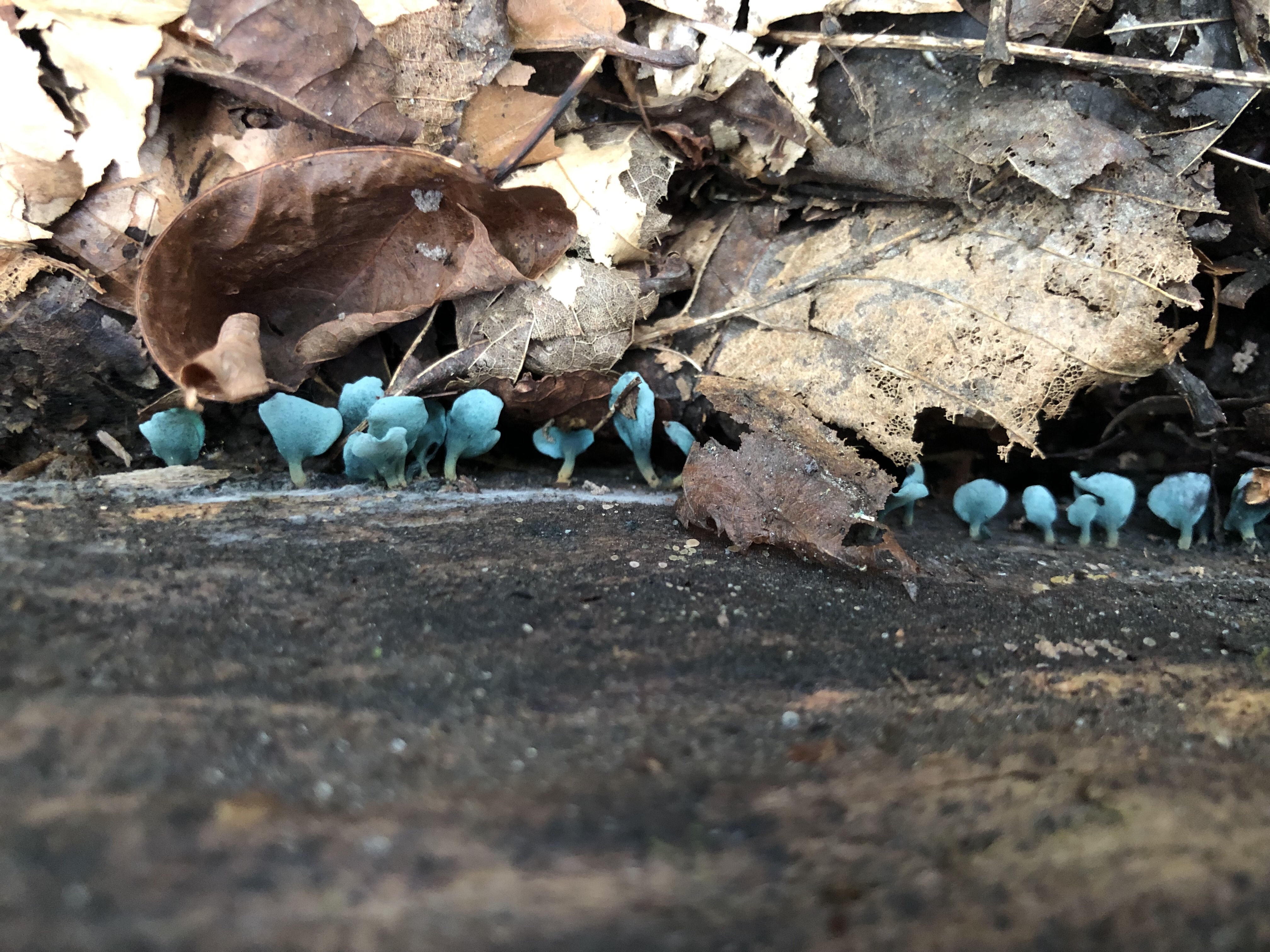
After seeing all the turquoise stained wood on trail, we finally found the accompanying mushrooms for chlorociboria aeruginascens or chlorociboria aeruginosa. They are tiny, delicate jewels, and so satisfying to spot.

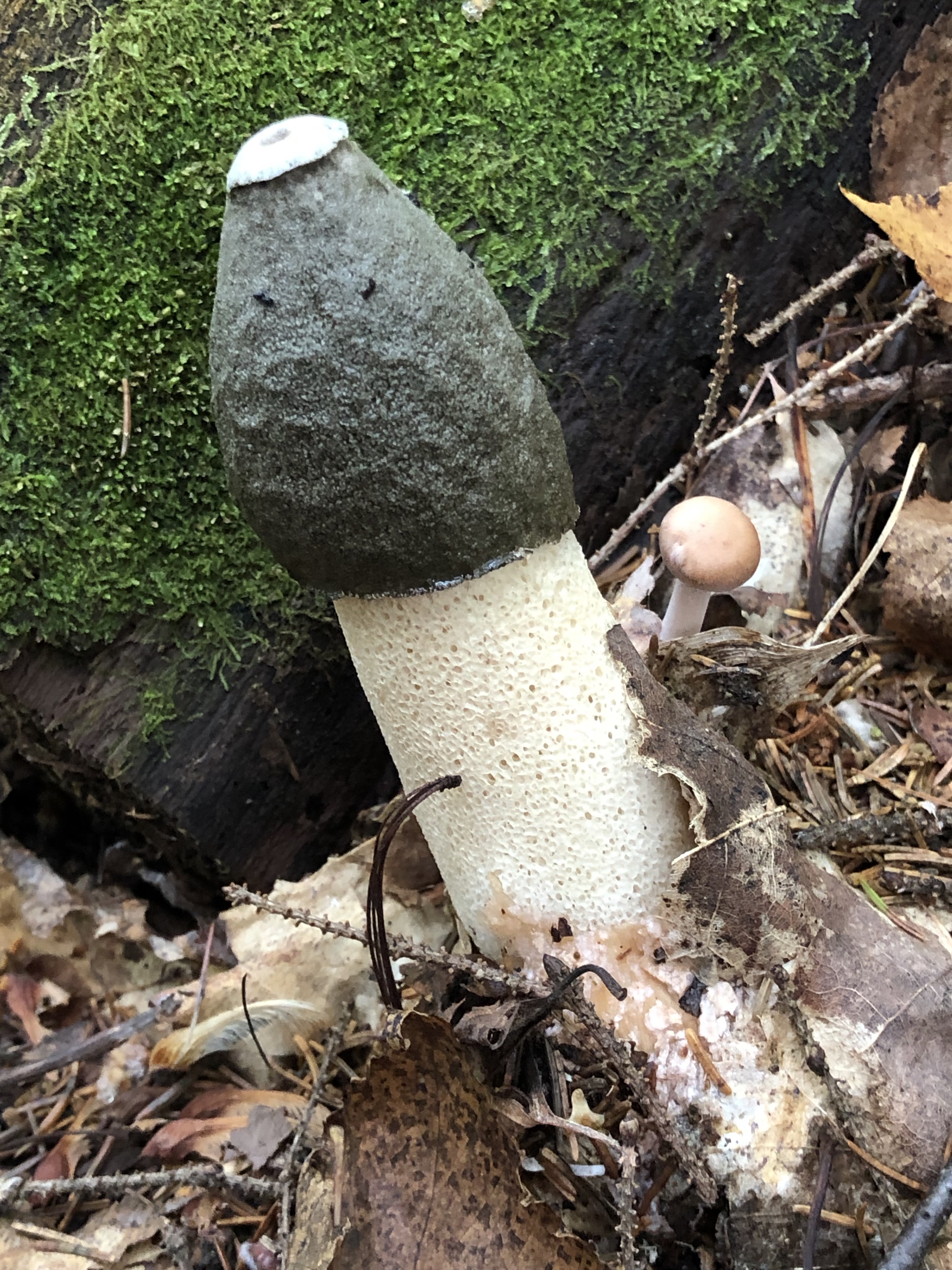
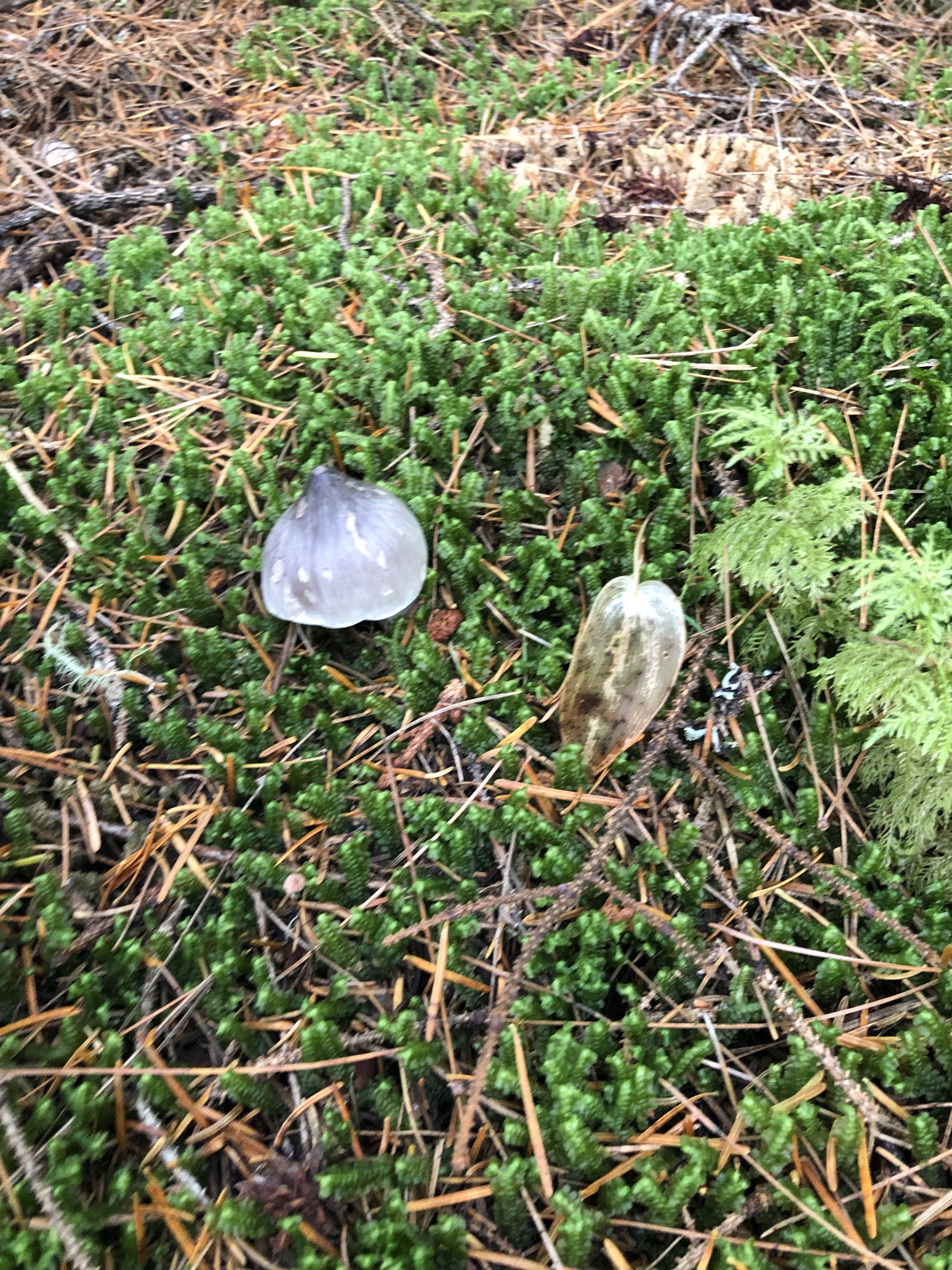
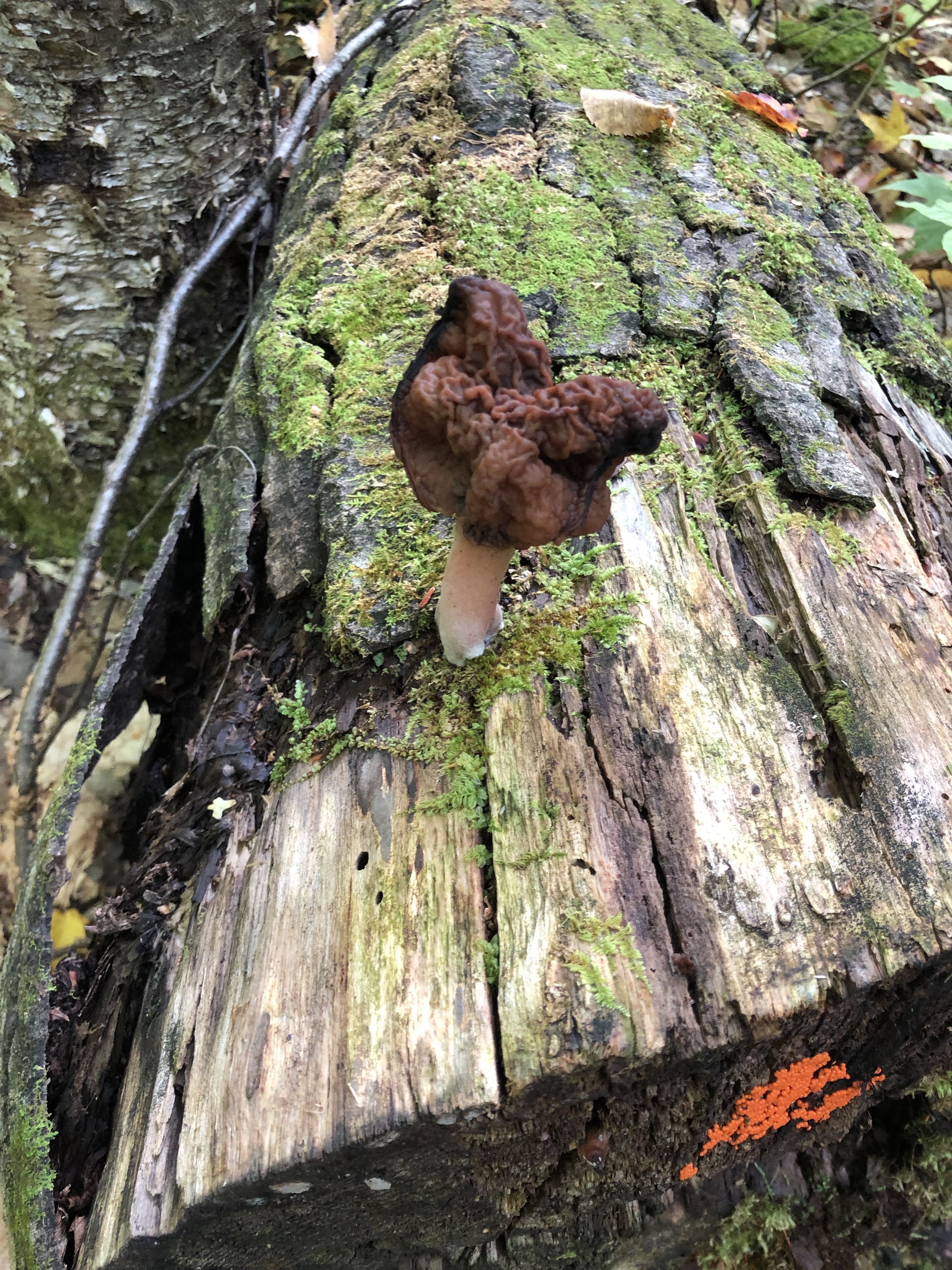
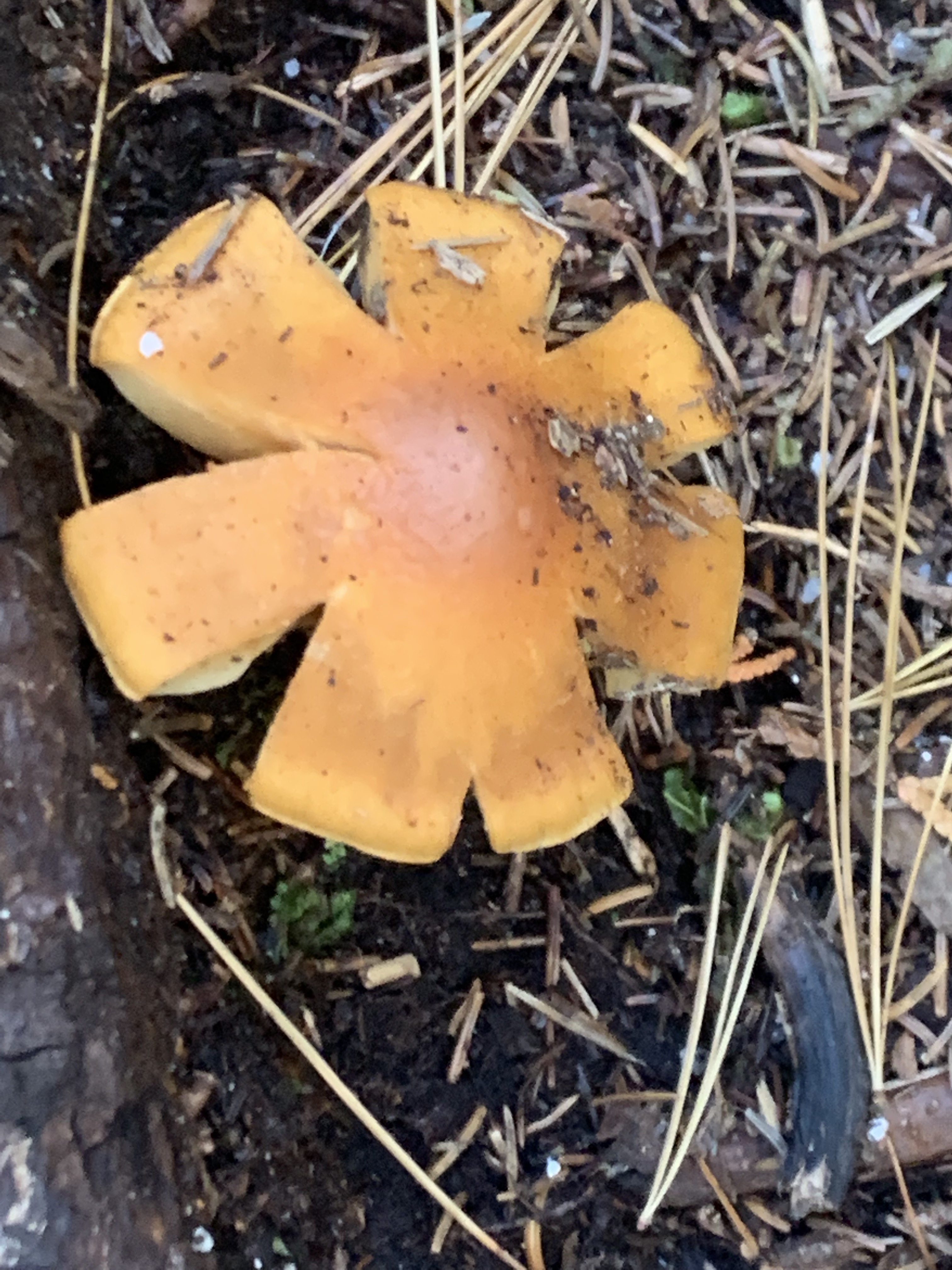
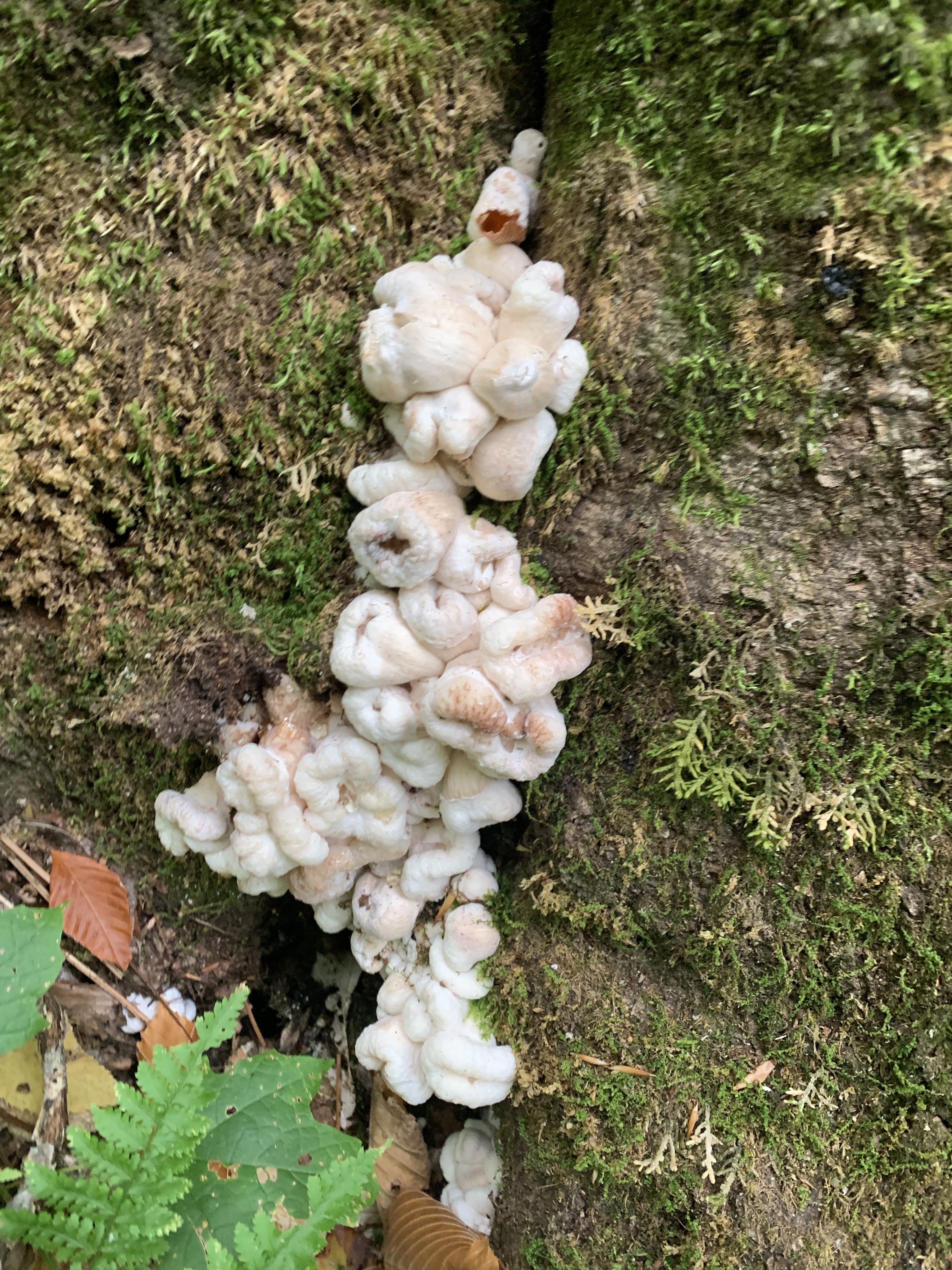
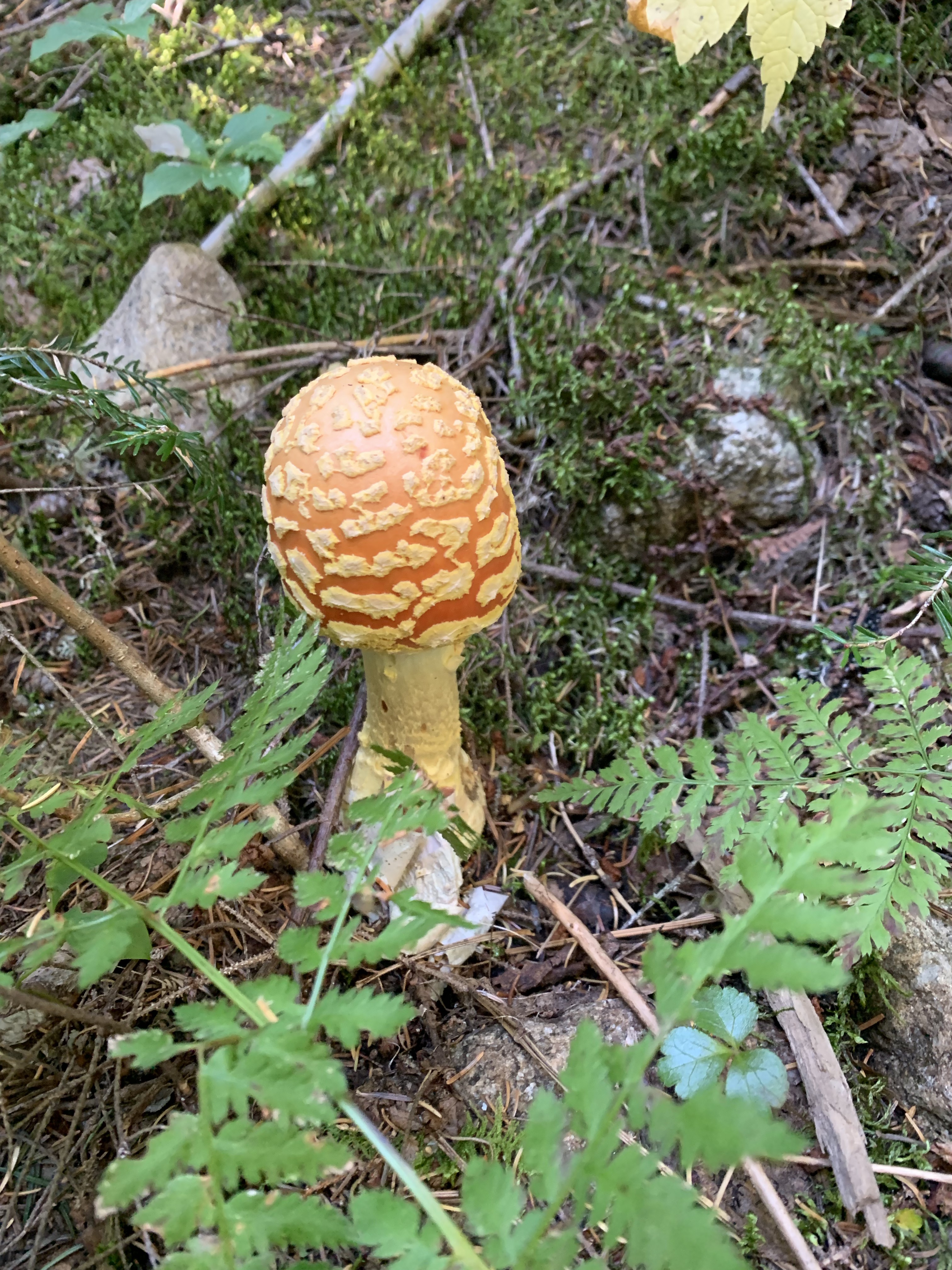
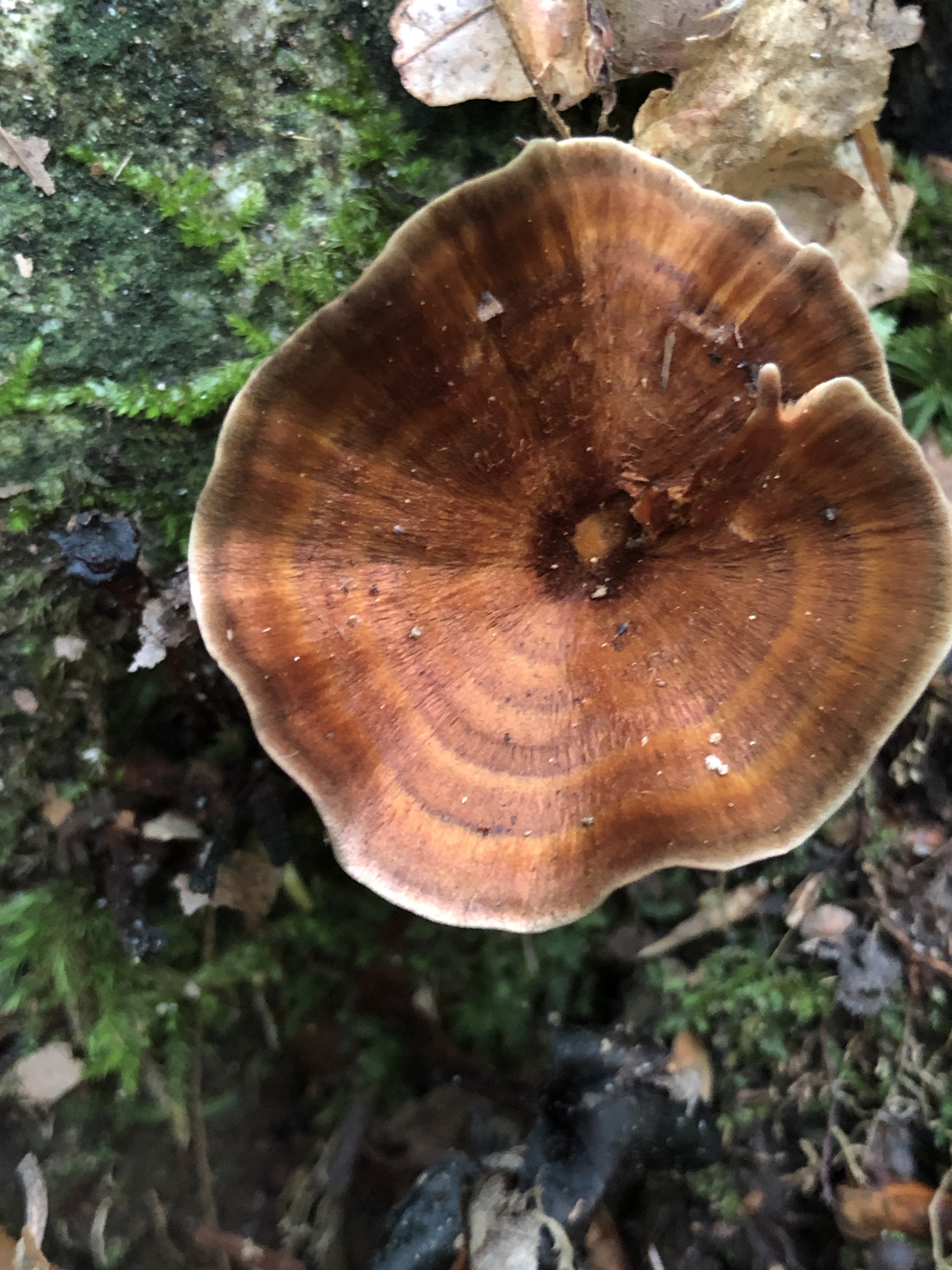
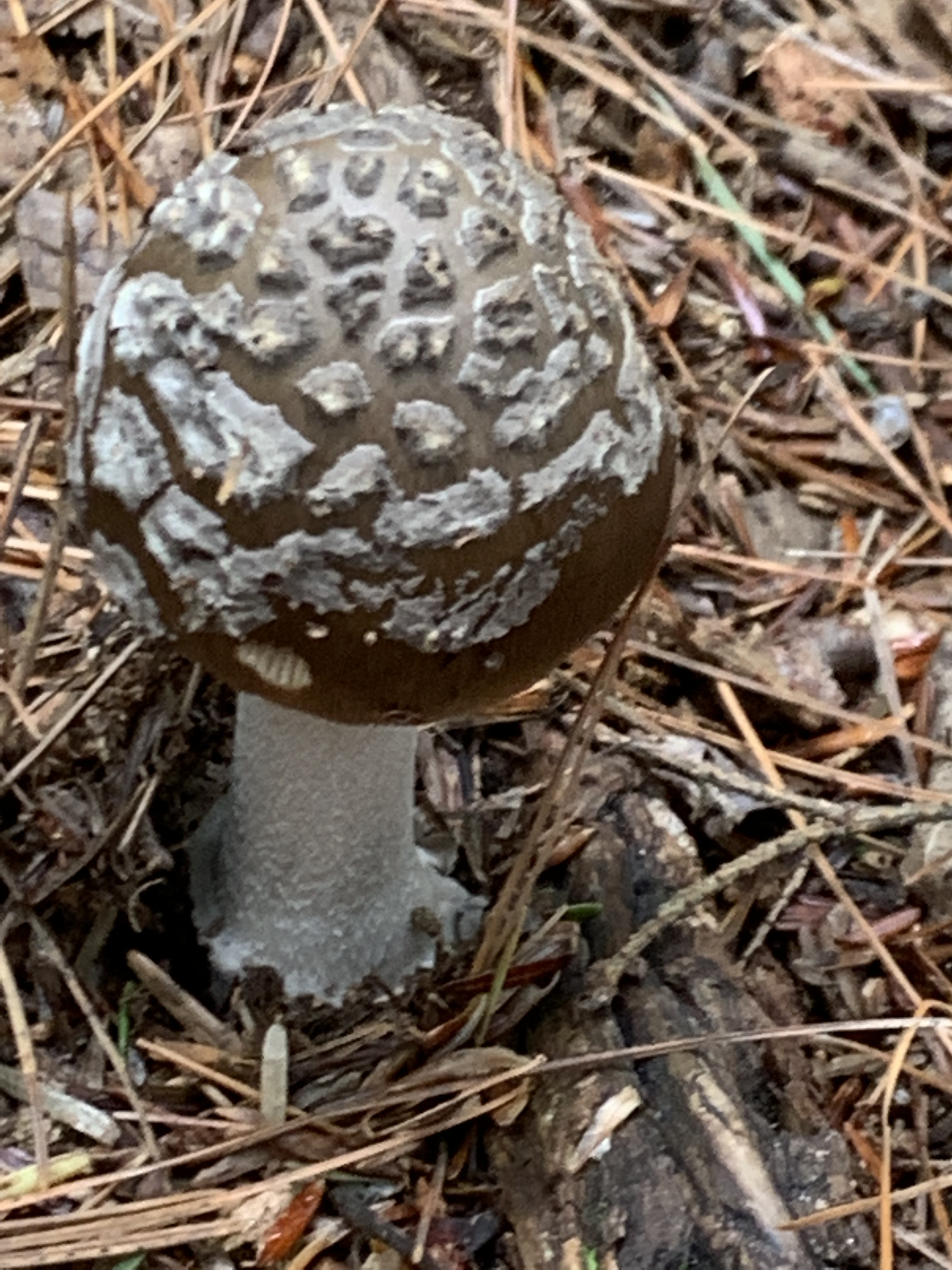
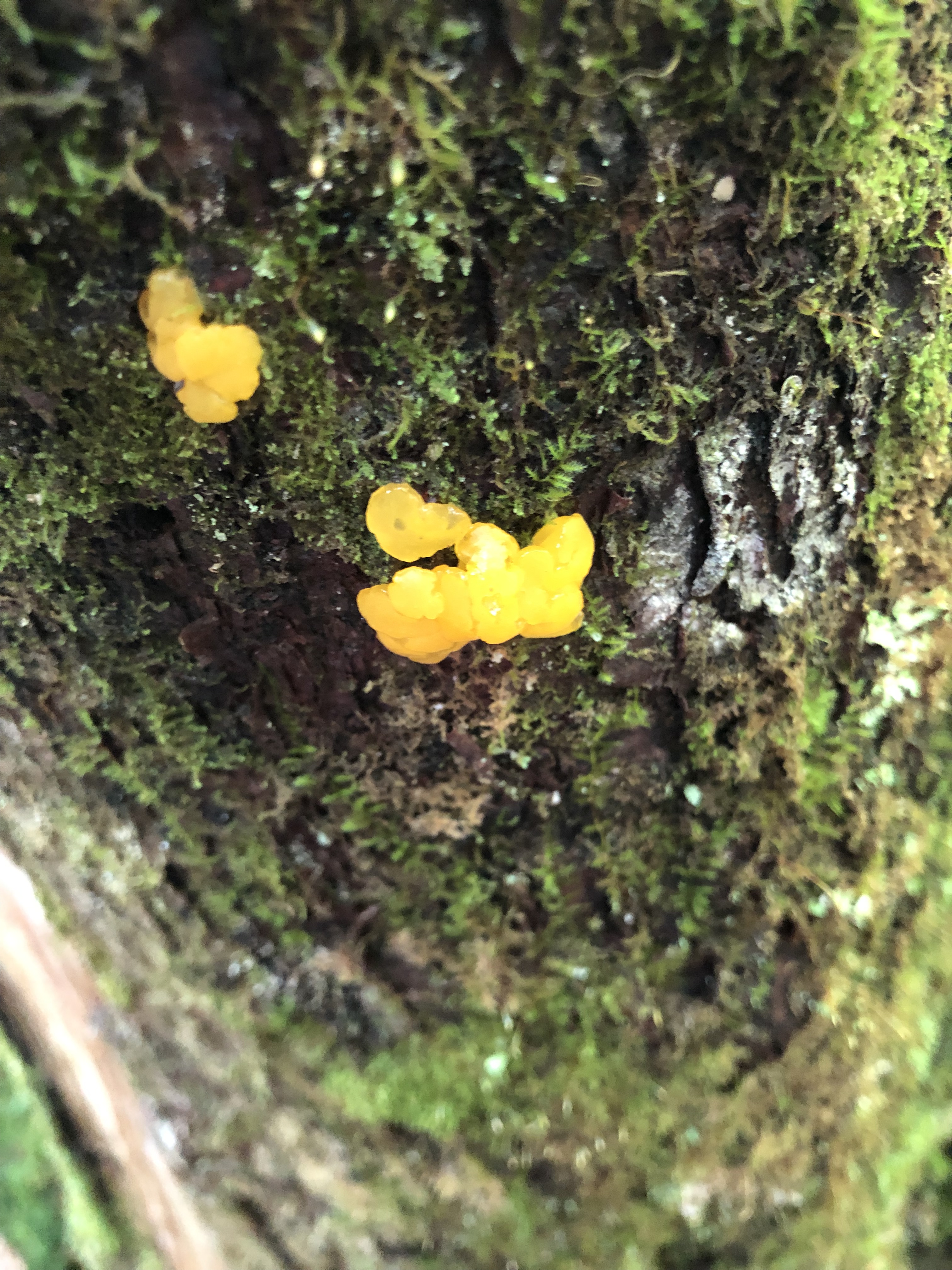
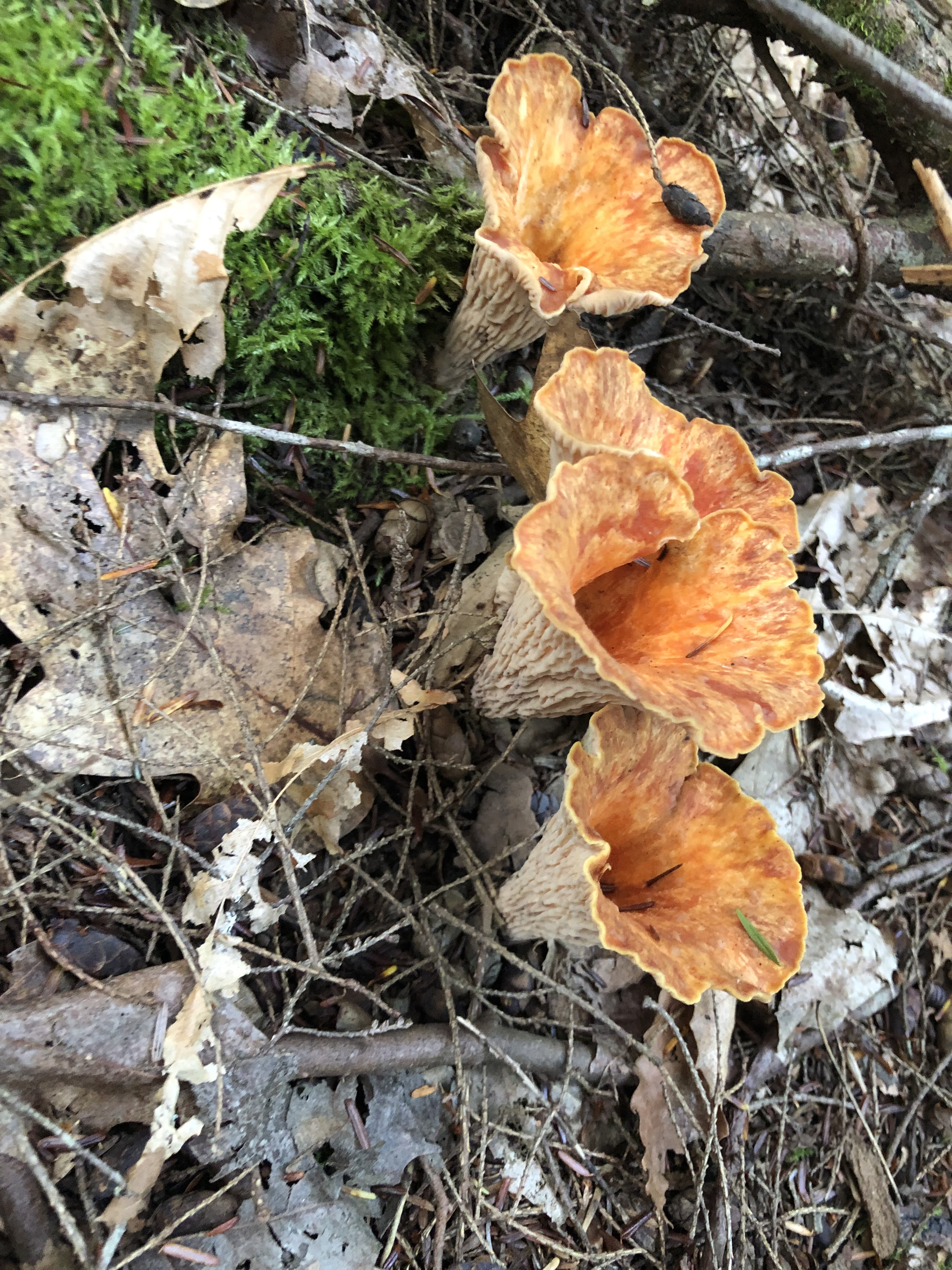
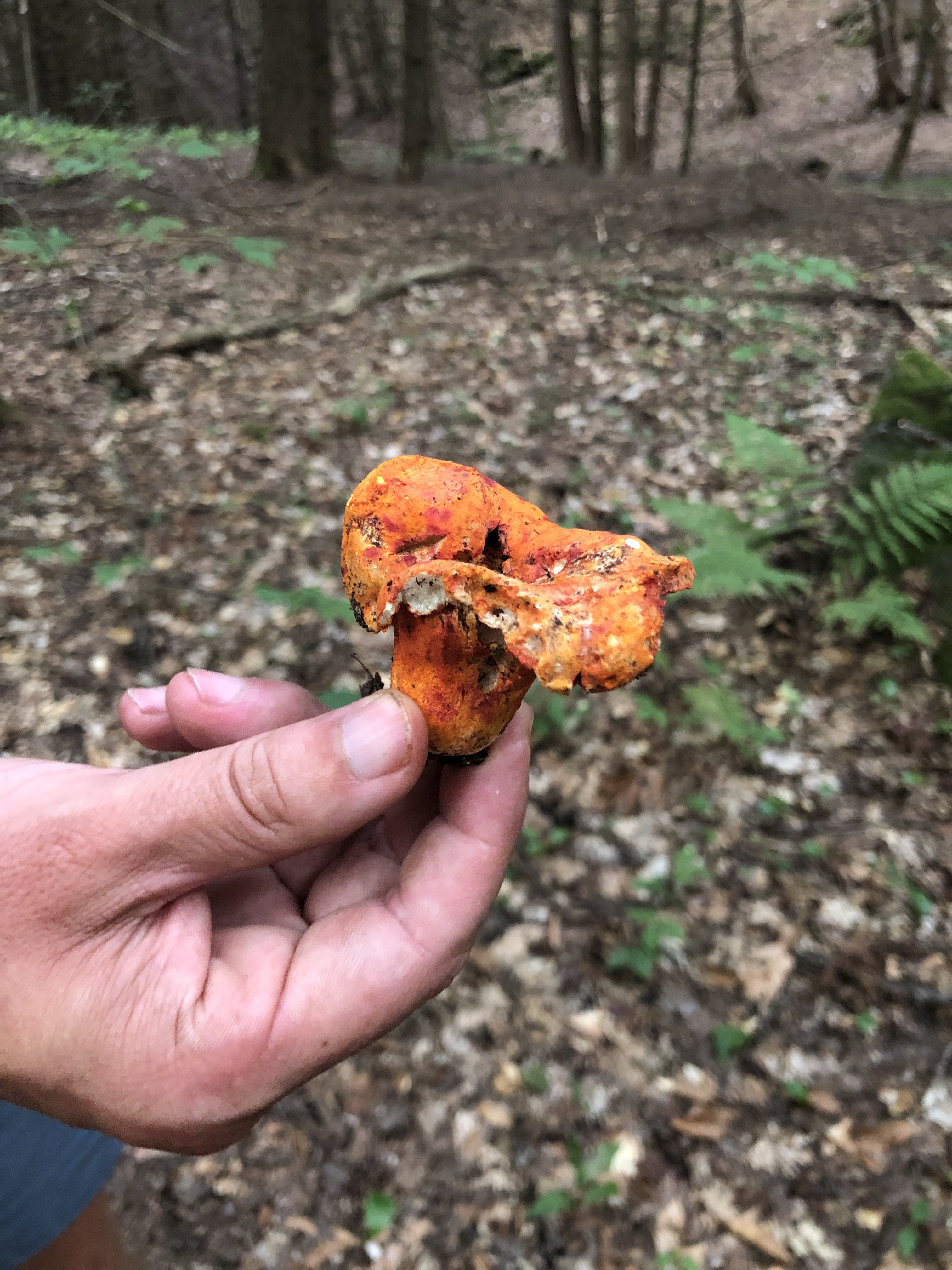
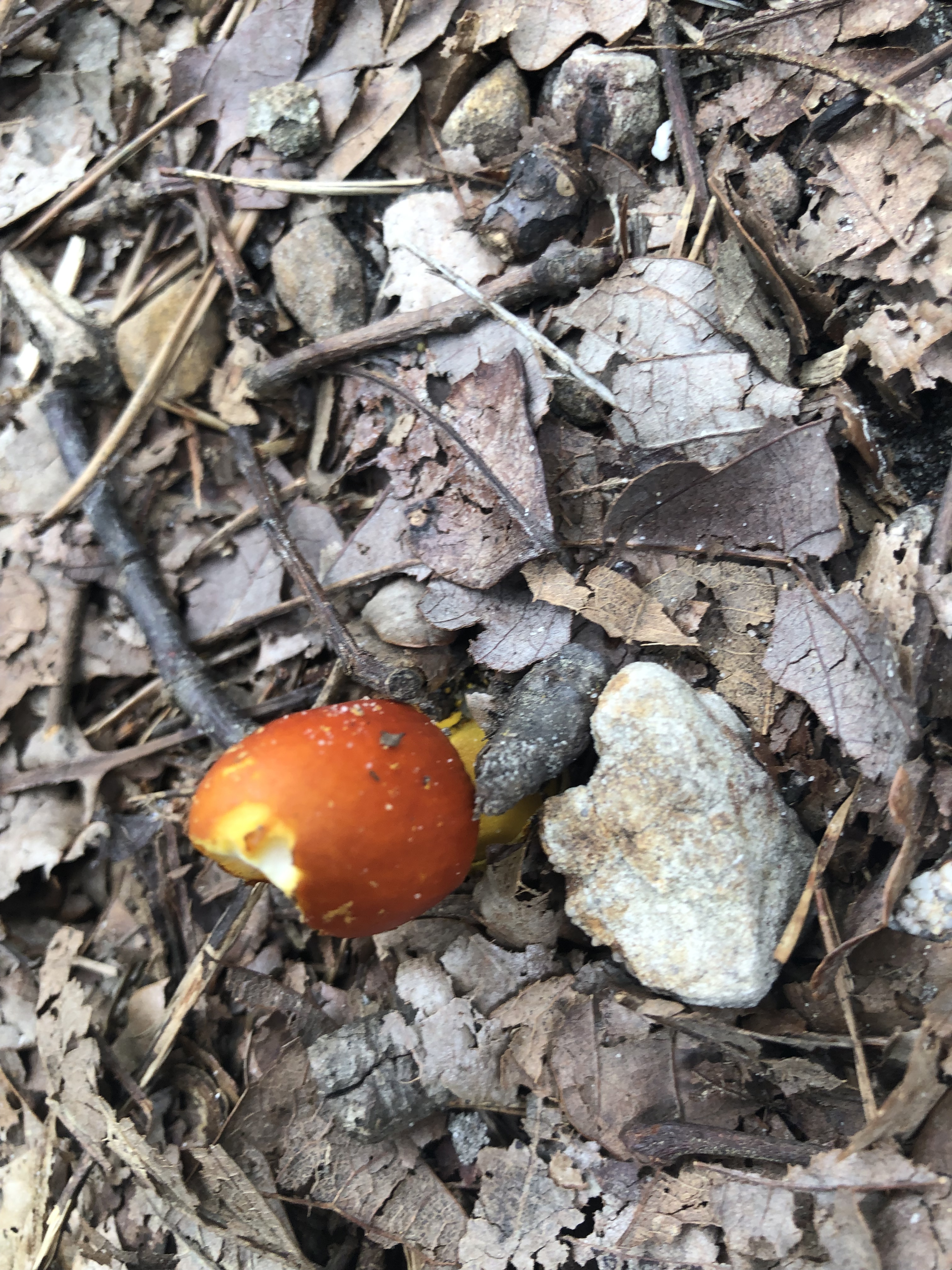
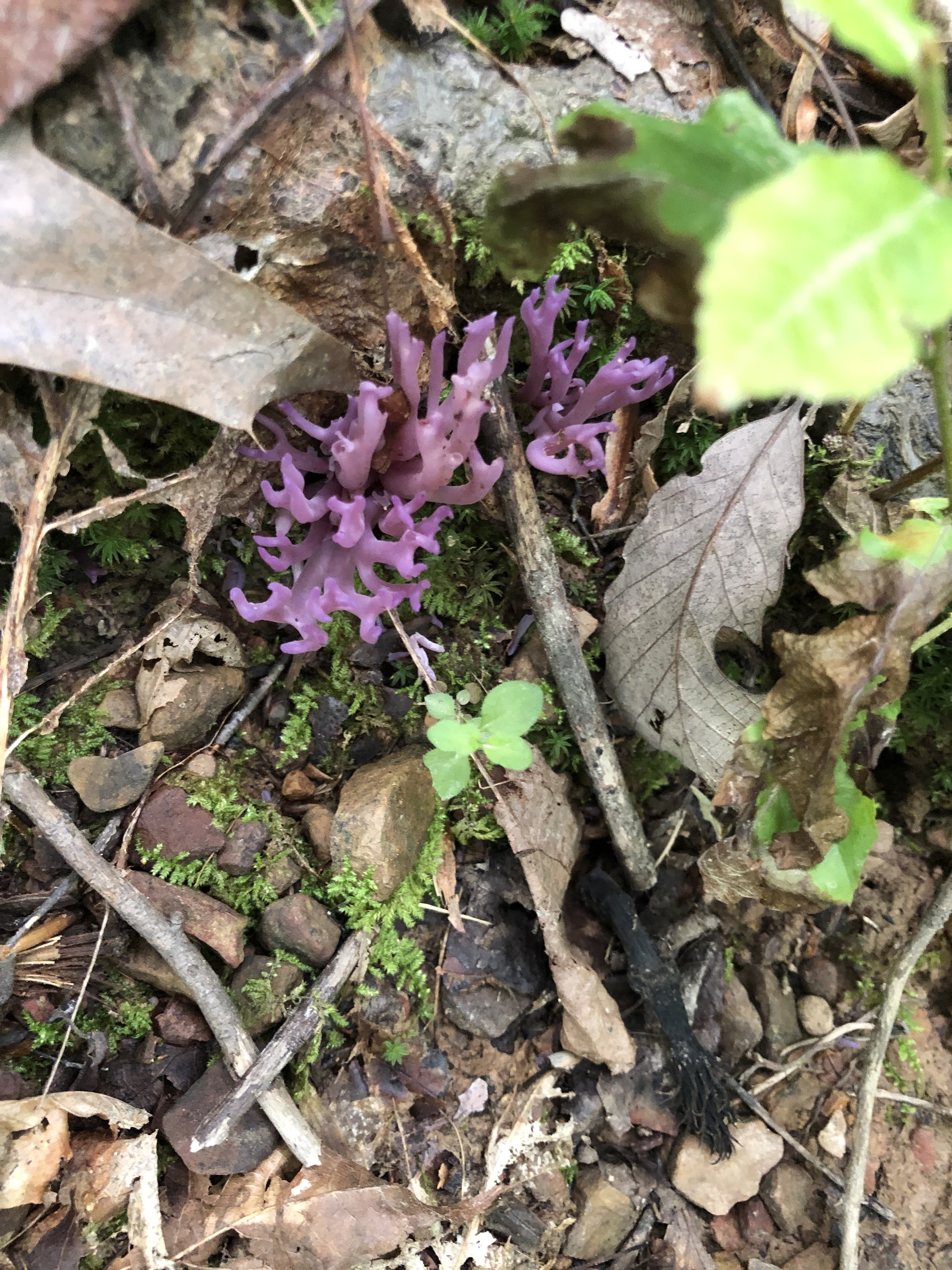
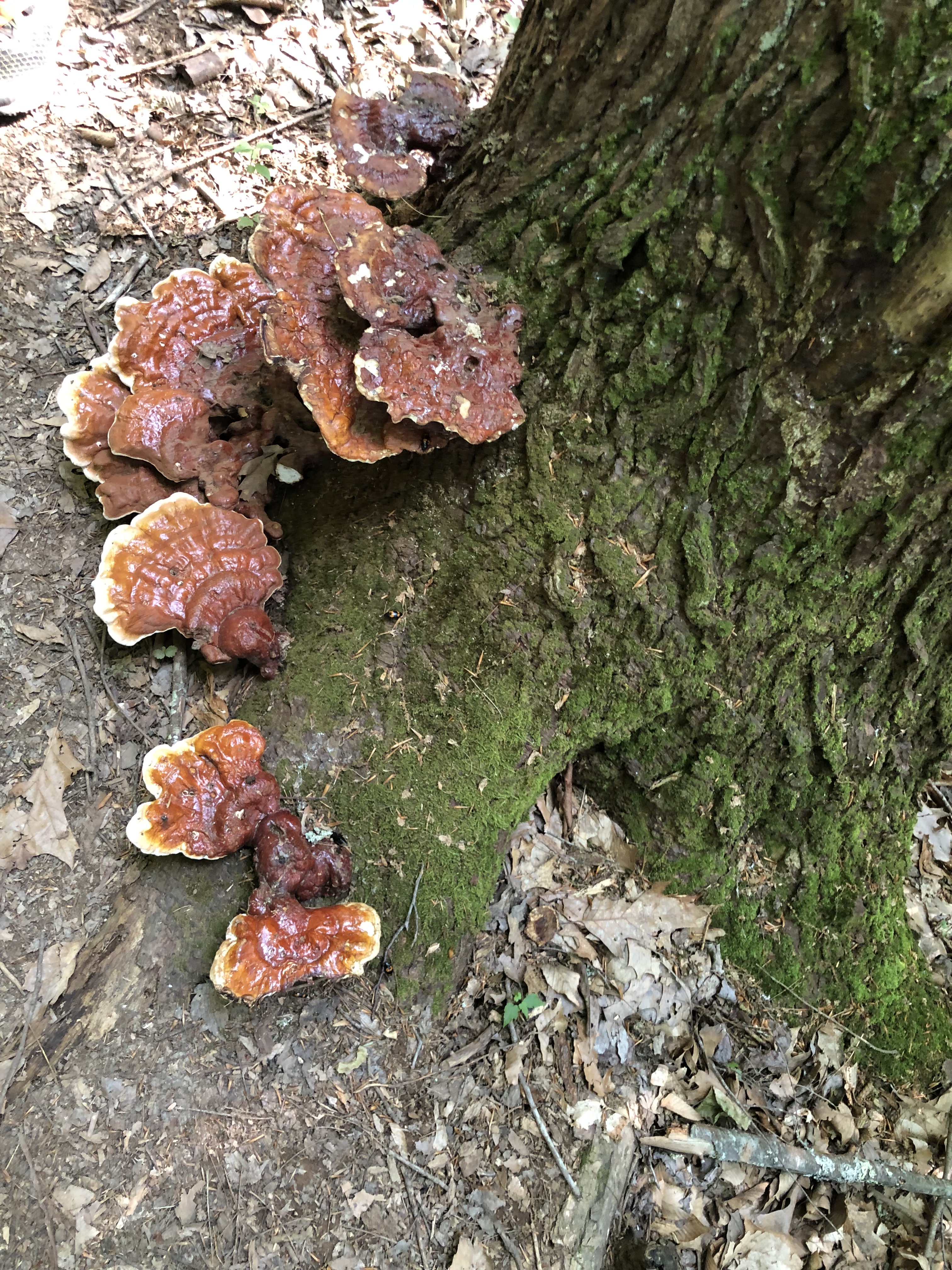
And, as the weather cools and we find ourselves in alpine forests, the fungi scene is off the hook. Here are a few of the finest we have seen.

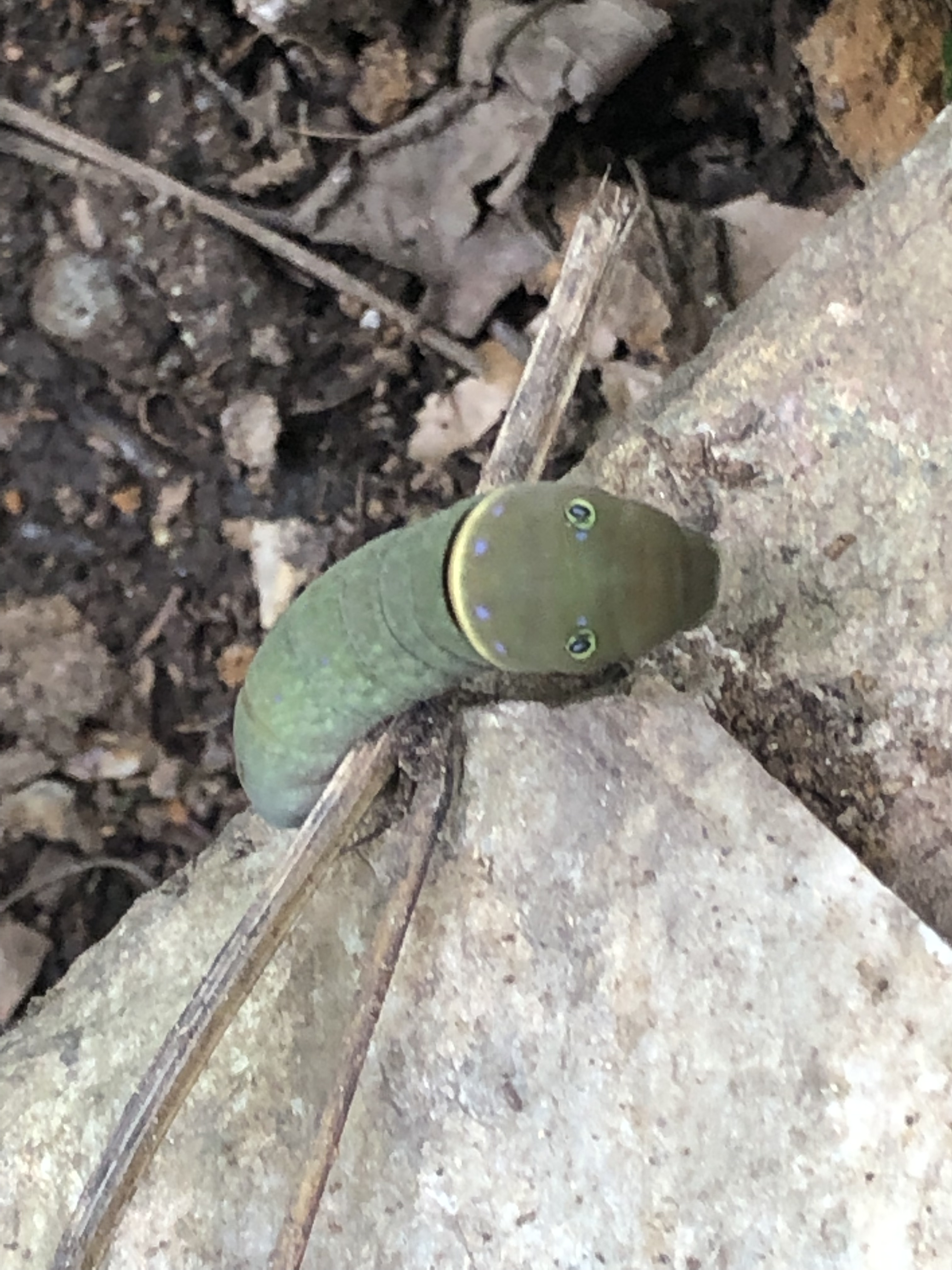
Starting in MA and VT, the caterpillars have been out in full force, along with a few chrysalides.

Milestones: Halfway and beyond

After seventy-five days on the trail (seventy-six if you include the Approach trail and Amicalola), we made it to Harpers Ferry, the fake halfway point on the AT.

Fact check:

  • The 2019 trail is 2,192 miles, a little over 2,200 if you include the Approach Trail.
  • Harpers Ferry is at mile marker 1,023.
  • Halfway is at mile marker 1,096.

We celebrated like the fools we are. Those one thousand and twenty three miles were packed with lots of steps and learnings and some challenging times. So we proceeded to have our pictures taken at the Appalachian Trail Conservancy. We walked through the historical, touristy parts of Harpers.

We had just blazed through 12.7 miles of trail in the pouring rain to make it to Harpers Ferry in time for a train.

We extended our celebration into DC, where we rested for two whole days in a row, and then a third when we returned to Harpers.

Getting to Harpers Ferry and DC was a big milestone for us. Fully aware that we were not quite halfway, we celebrated with several friends.

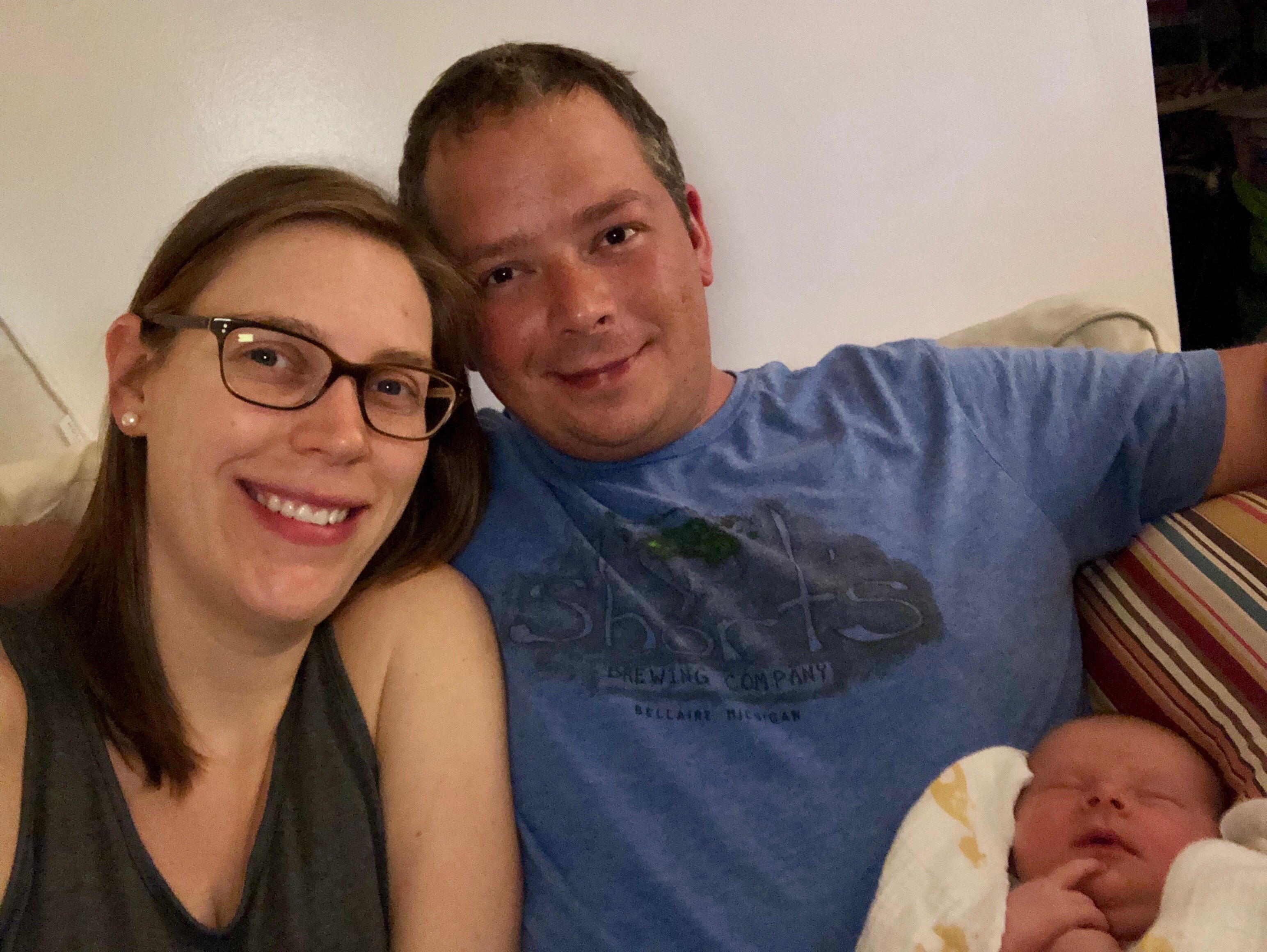
We stayed with Scott, Ann, and new baby Grace. The cat Mia tolerated us taking over her basement space and the laundry room, where all of gear was washed, including our backpacks. We felt honored to be with Grace and her parents when she was just a few days old.

We visited with Josh, Sam, and Isabel.

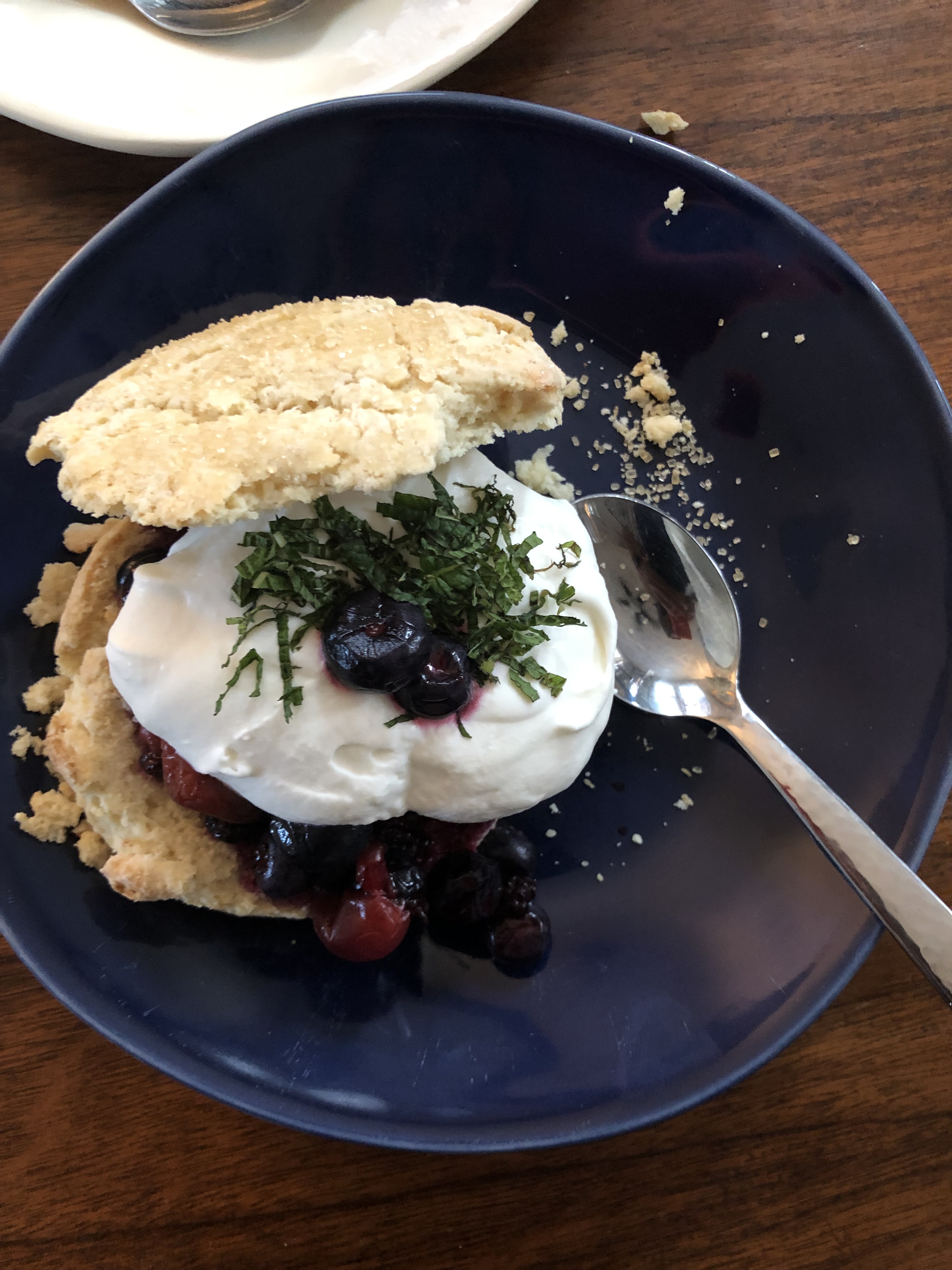
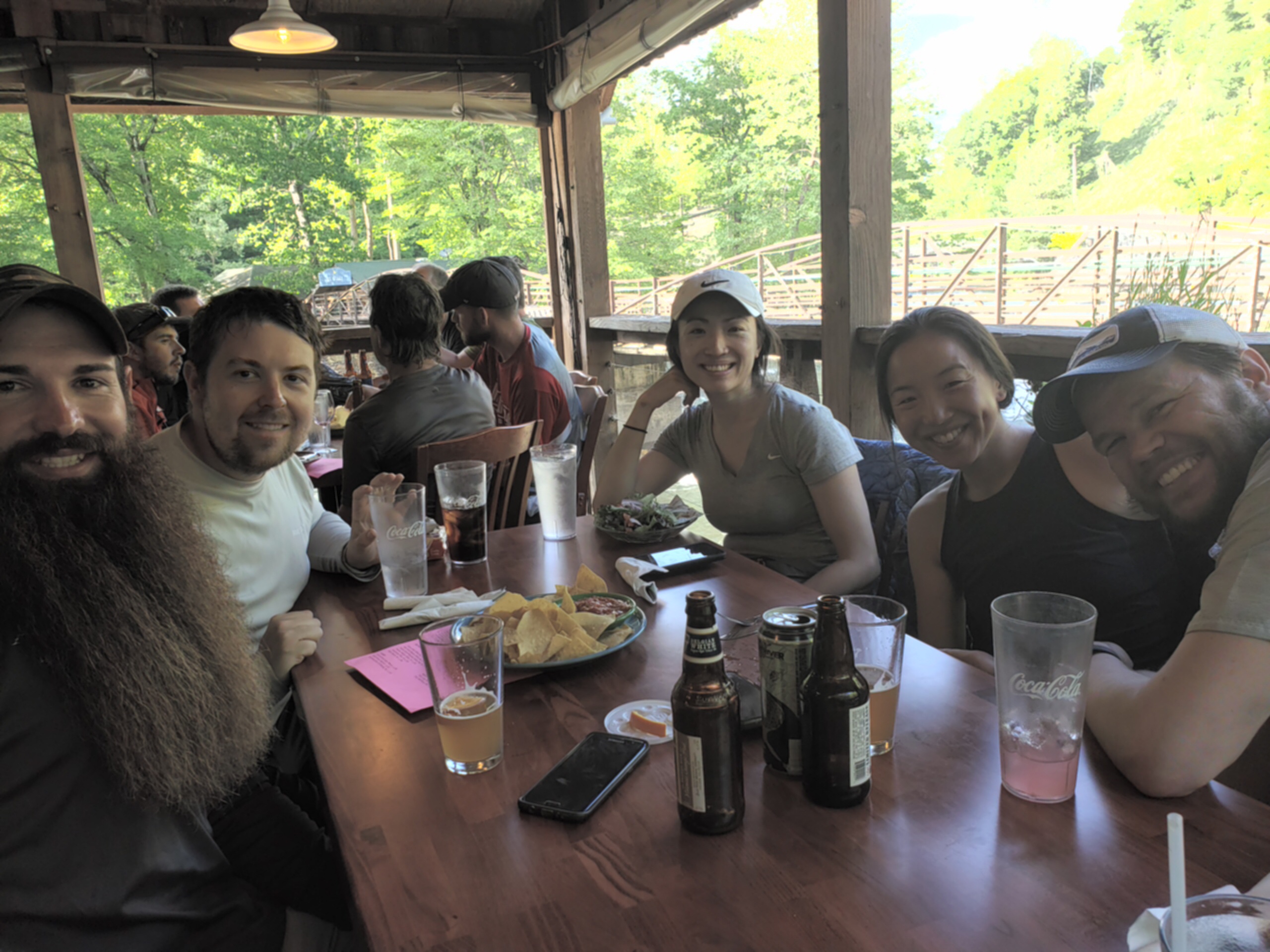
We saw Bob (twice!) and Jeff. We ate at Union Market twice. We drank all the cold beverages (my number one craving on trail), and ate fresh food (mango lassis! pork belly steam buns! Watermelon! Ramen! Ice cream!) Scott made this beautiful berry shortcake with whipped cream and mint. We were also still sipping the scotch that Jeff brought us in the woods.

On our way back to Harpers Ferry, we visited with Steve, Emily, Aubrey, and Sophie. Steve and Emily have hiked a fair amount of the AT in sections, and it was fun to discuss the trail with dedicated section hikers. Their gear wall is very impressive, as is Aubrey’s house tour.

The downside to celebrating early is that the actual halfway felt like a long way away from Harpers Ferry.

Before we reached the real halfway point, John and I:

  • Passed through West Virginia, Maryland and started the 229 mile trek across Pennsylvania.
  • Completed a marathon day which involves hiking at least 26.2 miles (we actually did 27.1 to make it to a campsite).
  • Passed the Mason-Dixon Line. We are now back in the north. And so far, the hotels are way more expensive up here.

The distance between the fake halfway point and the actual one is only seventy-three miles. But the psychological distance felt longer!

John was real tired after the marathon day. It was his first marathon after all! (Congratulations, John!)

I prefer hiking a marathon to racing in one, so I was in better spirits. Also because snacking is easier when hiking.

And here is the real halfway point at 1,096 mile marker. The sign wasn’t updated yet for 2019. Ruh-roh.

And now, we are making new milestones. Sometimes it’s just getting through an unexpected flooded section of the trail (beavers aren’t the best trail maintainers) or past a boulder field. The bigger milestones are getting through states and reaching the hundred mile wilderness and the infamous mountains of the northeast: Washington, Greylock, Katahdin. I made this spreadsheet to help us keep track of the upcoming states. When the bugs are buzzing around our heads and the heat feels intolerable, it helps to have new goals in mind.

The second half of the trail represents a real turning point for some hikers. Some dig in their heels and press on. And others have started to drop off. We are tired but also finding good routines that keep us on trail so far.

Virginia is for Lovers

We are in Virginia, which is the largest section of trail in a single state. It includes Damascus (host to Trail Days, a hiker gathering) on the southern end, McAffee Knob, Dragon’s Tooth, and Tinker Cliffs in the middle, and Shenandoah National Park on the northern side. All told, Virginia owns 551 miles of trail, almost 1/4 of the entire journey.

It’s a lot of trail packed into one state. And there is so much to see and appreciate here.

And yet. We have both had days when hiking has lost its sheen. (See also: all the talk about The Virginia Blues.) Thru-hiking is not an activity that involves much moderation. Every day we set out to hike no less than 15 miles, and these days we try to average 18 miles a day. It can be easy to slide into a routine of just pounding out miles and getting lost in the soreness of our feet and the rockiness of the terrain. Personally I’m not living up to my trail name these days because I’m regularly saying to John, “Can we go slower today? I just want to stroll.”

Luckily, the trail and the area surrounding it have many opportunities to slow down.

Dragon’s Tooth is a set of jagged rocks that required some climbing, though not so serious that these two amateurs couldn’t make it.

Hiker reunions. The view from McAfee Knob at sunset was a group event. We have been slowly reunited with hikers we met on Day 1 at Springer and in the first weeks of our trip. A large group of us took it slow over this stretch of trail.

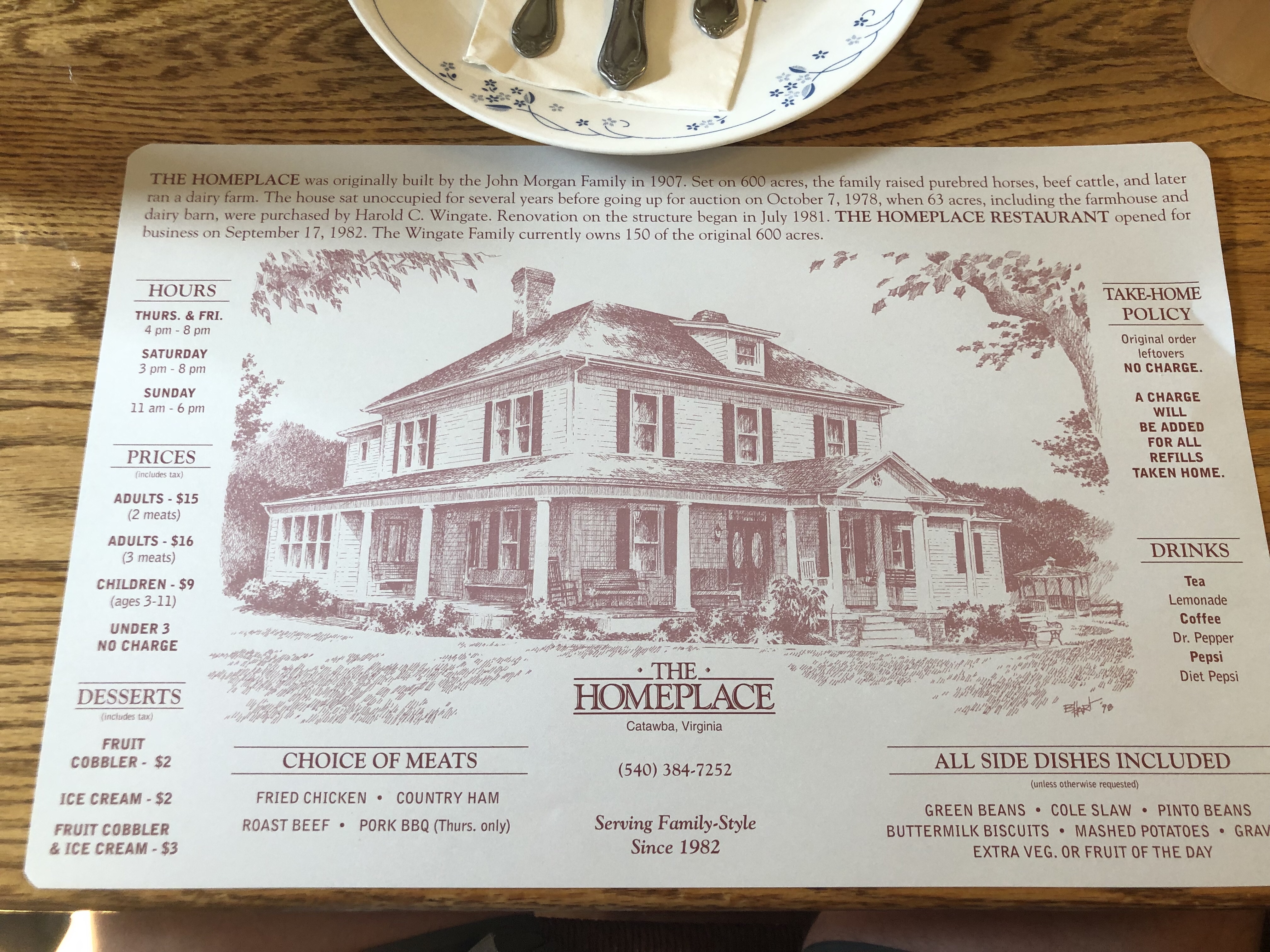
Food. Really good food. Another reason we slowed down as a crew was to go to The Homeplace Restaurant in Catawba, VA. It’s a beautiful spot in an old house with some of the best food we have had just off the trail.

It’s not the easiest to go to. It’s only open Thursday to Sunday from 4-8pm. And apparently we made it three days prior to the start of a ten day vacation for the staff.

But the Homeplace is well worth the effort. For $20, you can have an AYCE (all you can eat), family-style meal with fried chicken, roast beef, slow cooked pork, ham, biscuits, mashed potatoes, gravy, coleslaw, pinto beans, green beans, baked apples, pepper relish, apple butter, cobbler, ice cream, coffee, iced tea, and lemonade. Yum. For those with a calorie deficit, it’s heavenly.

I have no photos of the food because of how completely focused on eating we became once the bowls of steaming biscuits and crispy fried chicken arrived at the table. (Note: this place is not for vegetarians.)

We lounged for awhile before cramming into a van and getting back on trail, our bellies full of the best trail meal in Virginia.

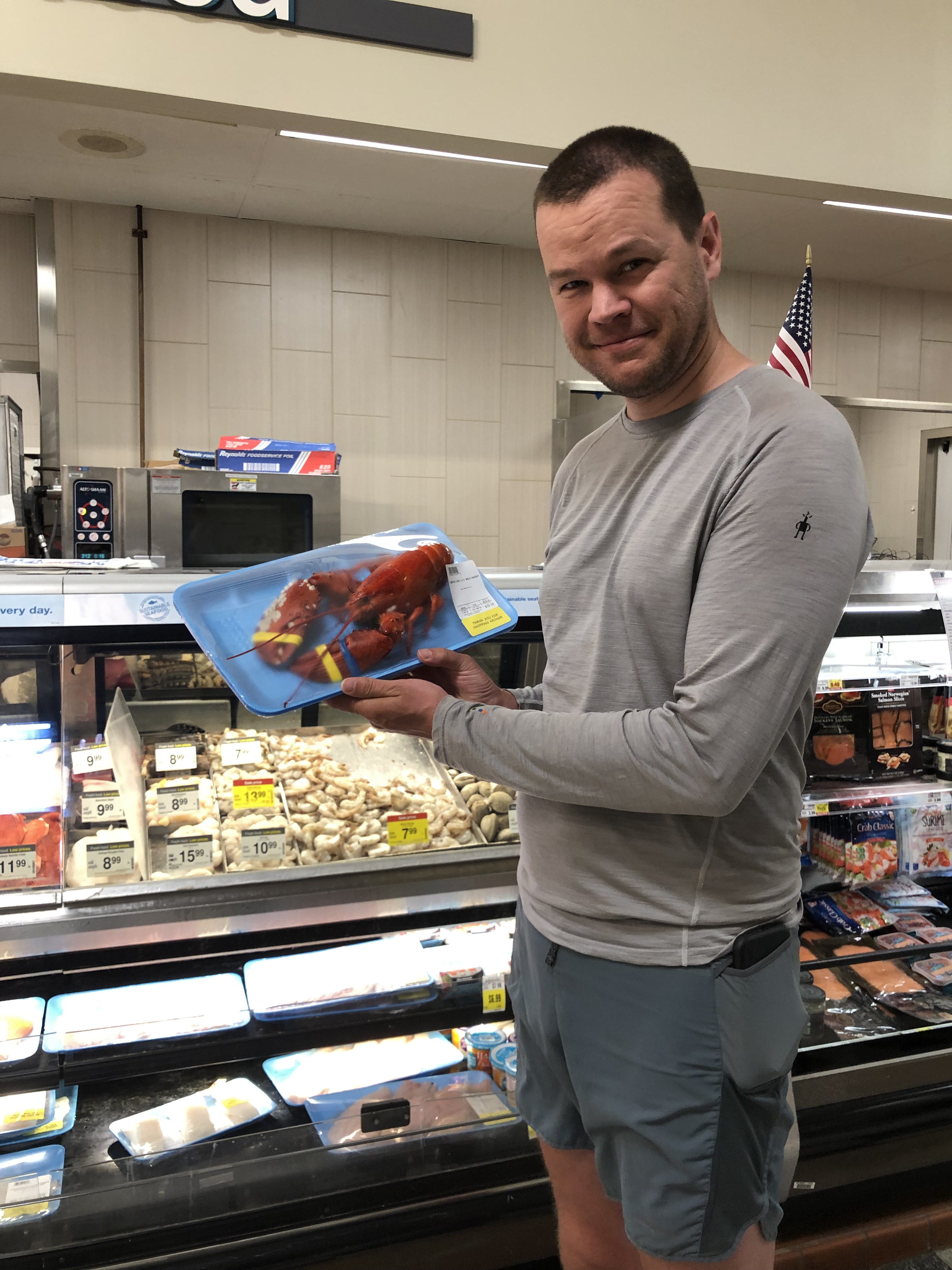
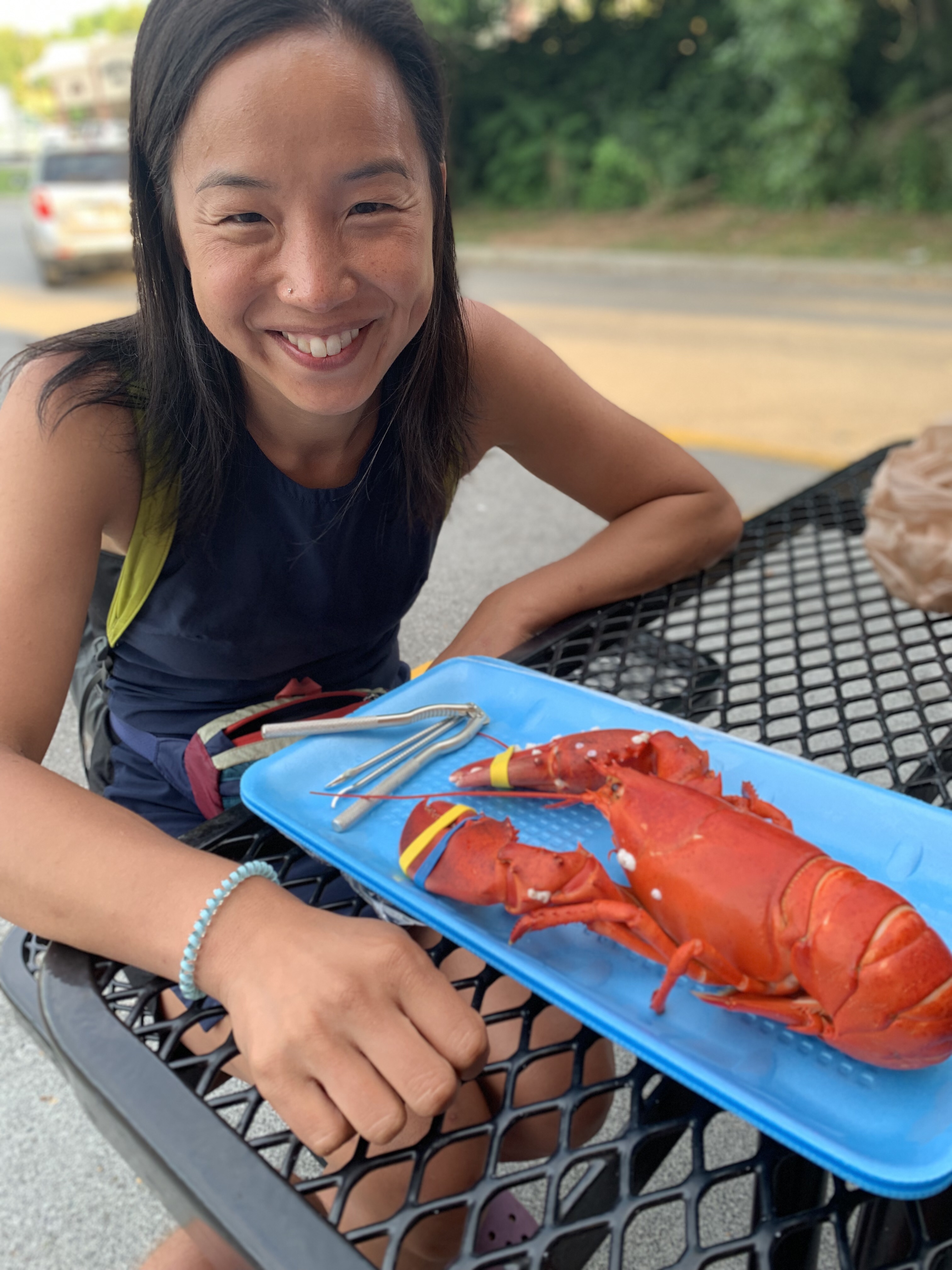
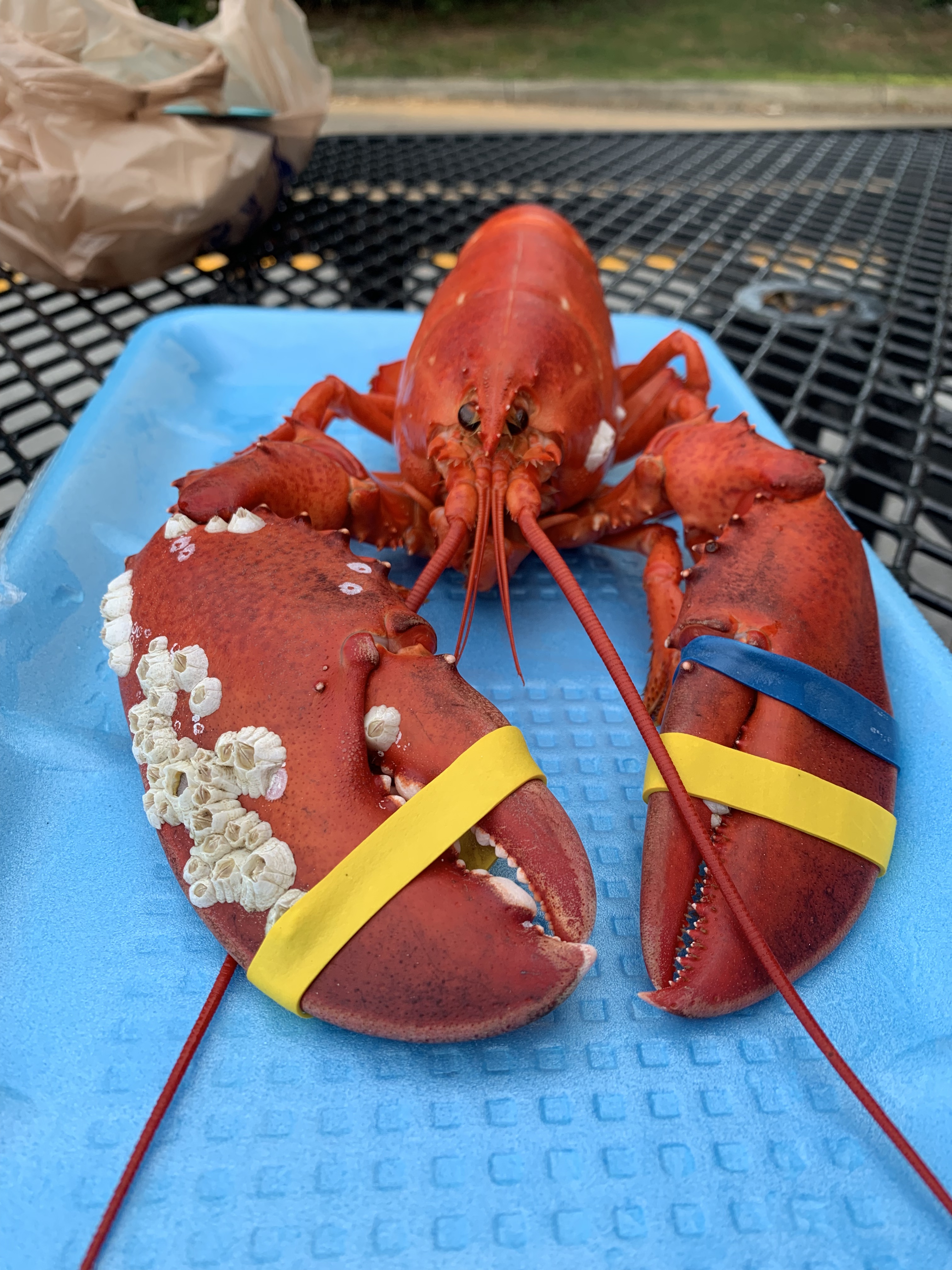
Bring Your Own Lobster. Okay, we know this is pre-emptive and we should really wait for the northeast to get lobster. (Friends who live close to lobstering coasts, look away.) But we’ve been craving fresh, ungarnished food and broke down and had a lobster steamed at a Kroger seafood counter and ate it in the parking lot with a nutcracker we purchased at the store. Super classy. Especially with the barnacles.

Physical setbacks. John sprained his ankle the other day on trail so we hoofed it seven miles to a spot where we could stay off trail for a two days. After ice baths, arnica applications, KT taping, legs up the wall sessions, and one day of slackpacking where John kicked my butt up the hills, I’ve decided it’s time for John to carry a pack again so I can enjoy hiking again.

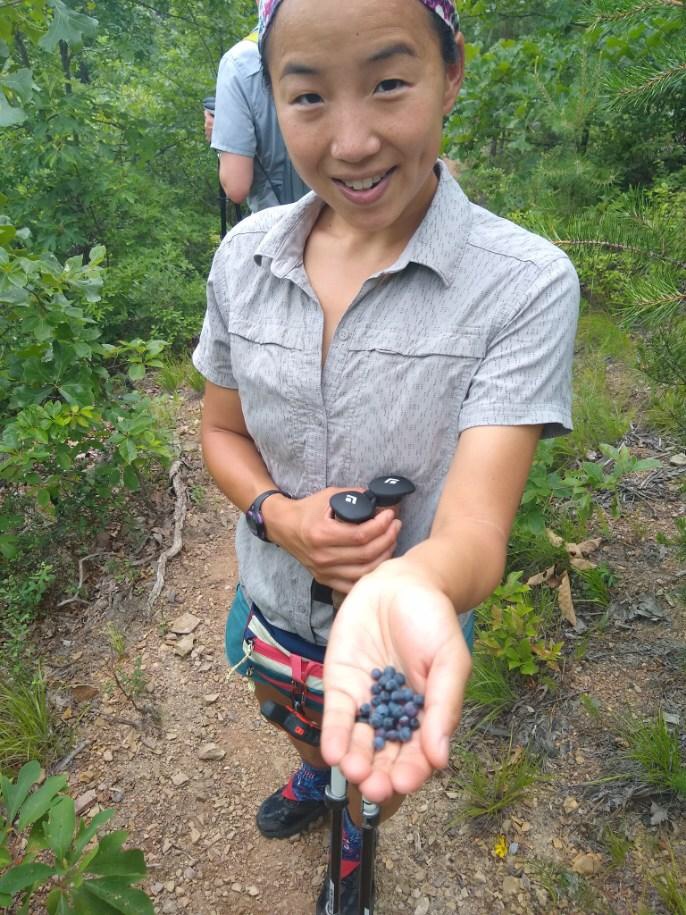
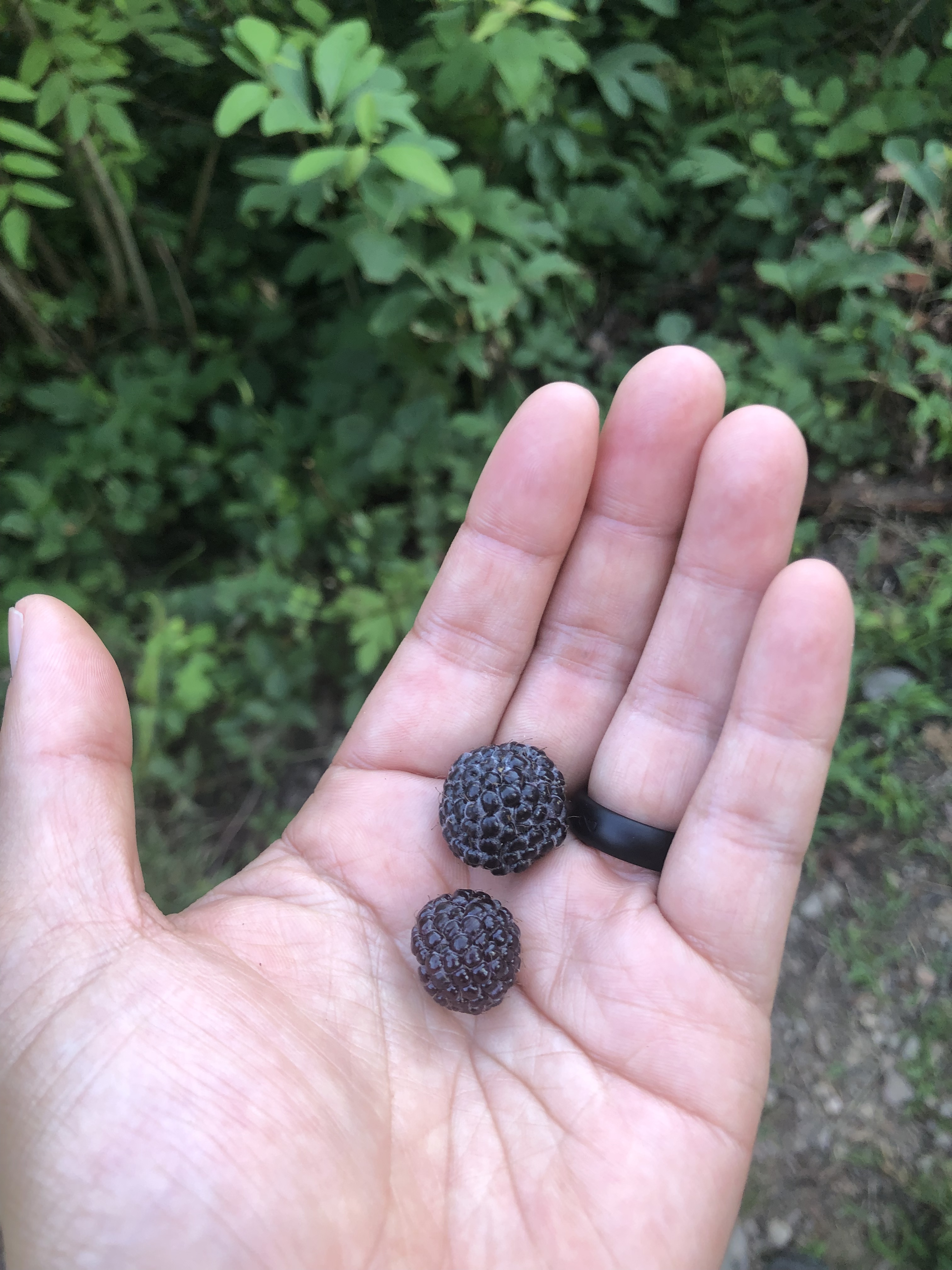
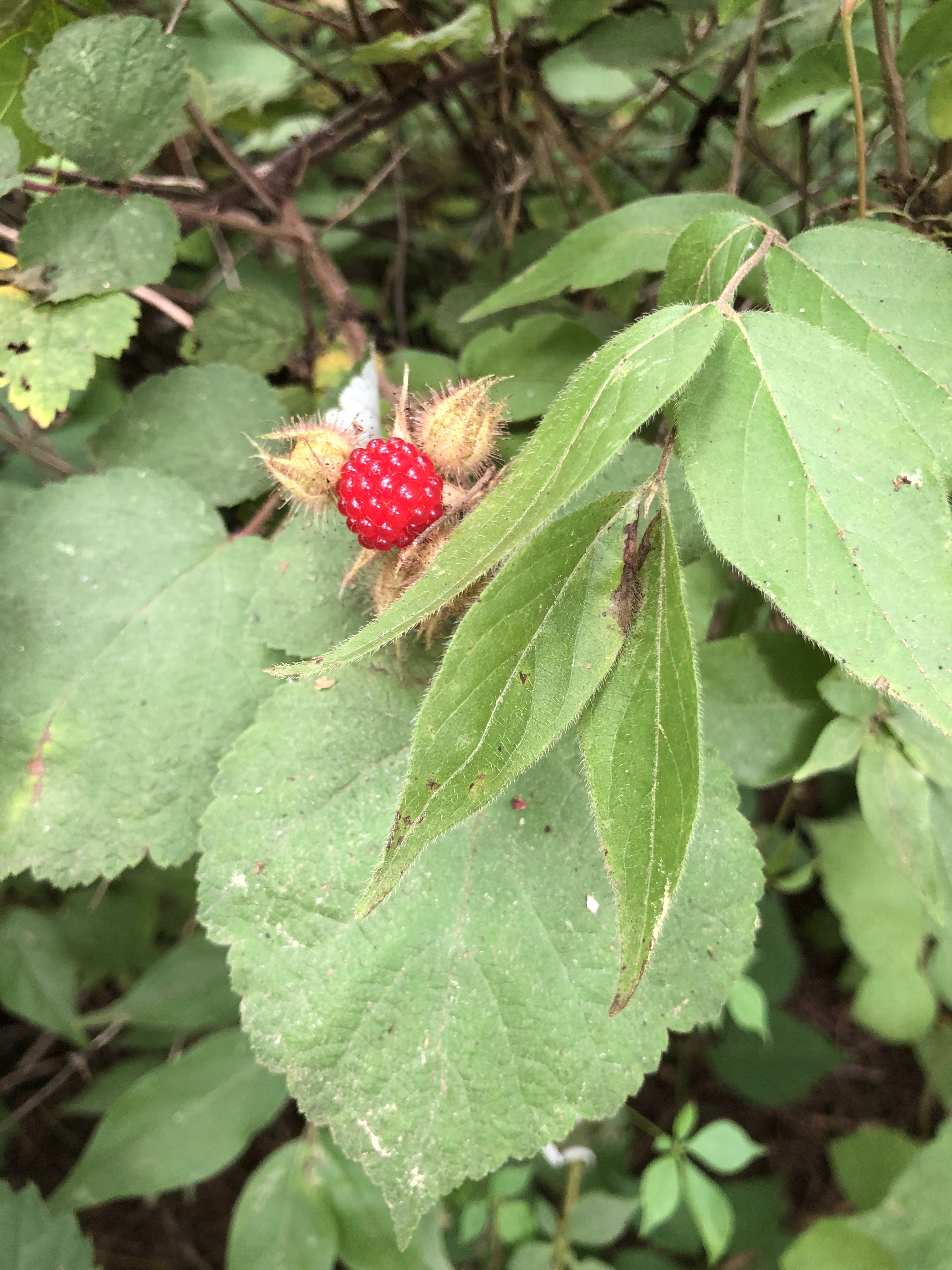
Berries. The berry situation is in full force. Fresh food is hard to come by, except when it’s berry season and the trail is lined with blueberries, raspberries, blackberries, and … wineberries.

Hikers don’t work nearly as hard as this dung beetle.

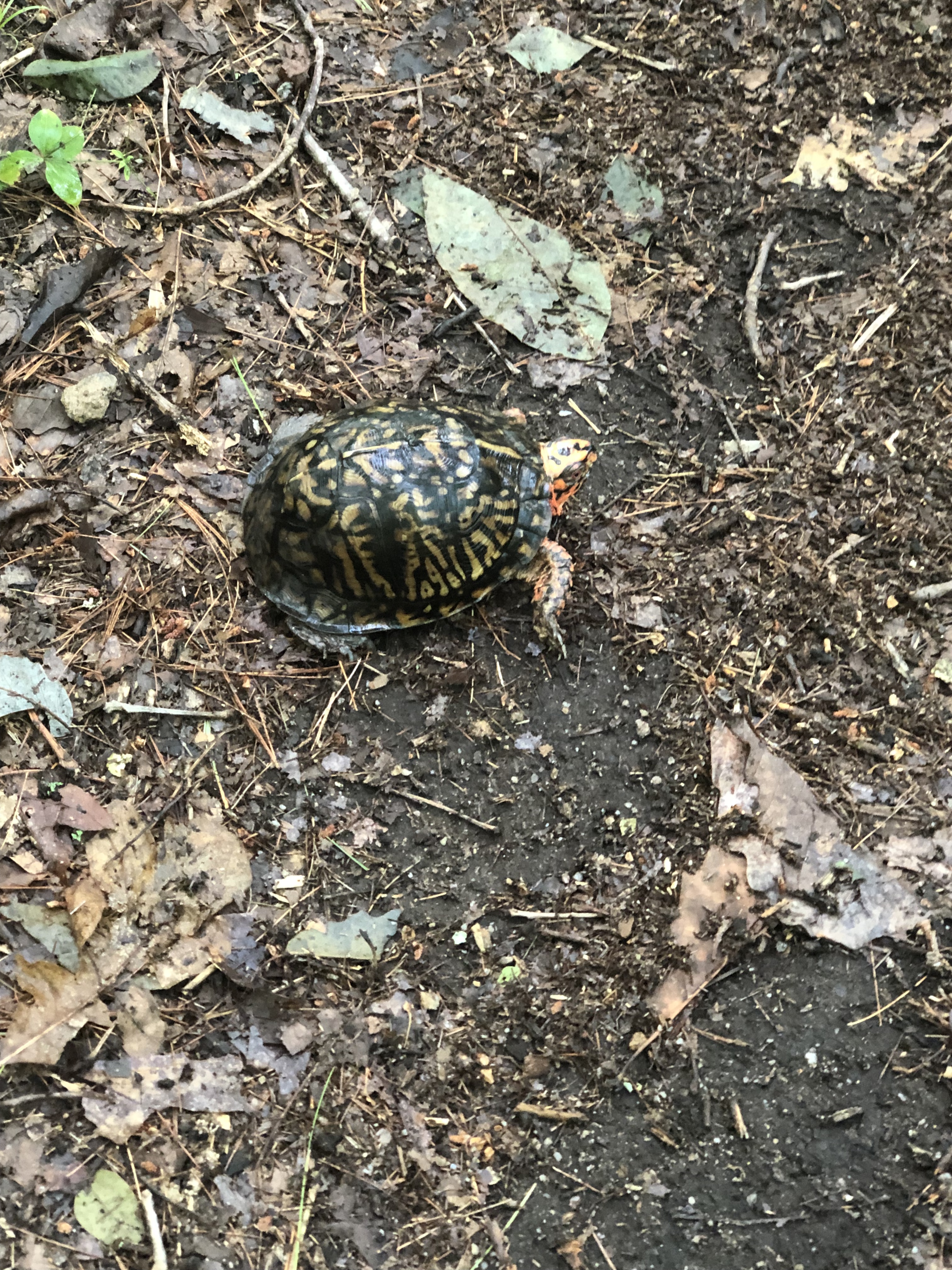
Turtle crossings

Snakes that won’t get off the trail.

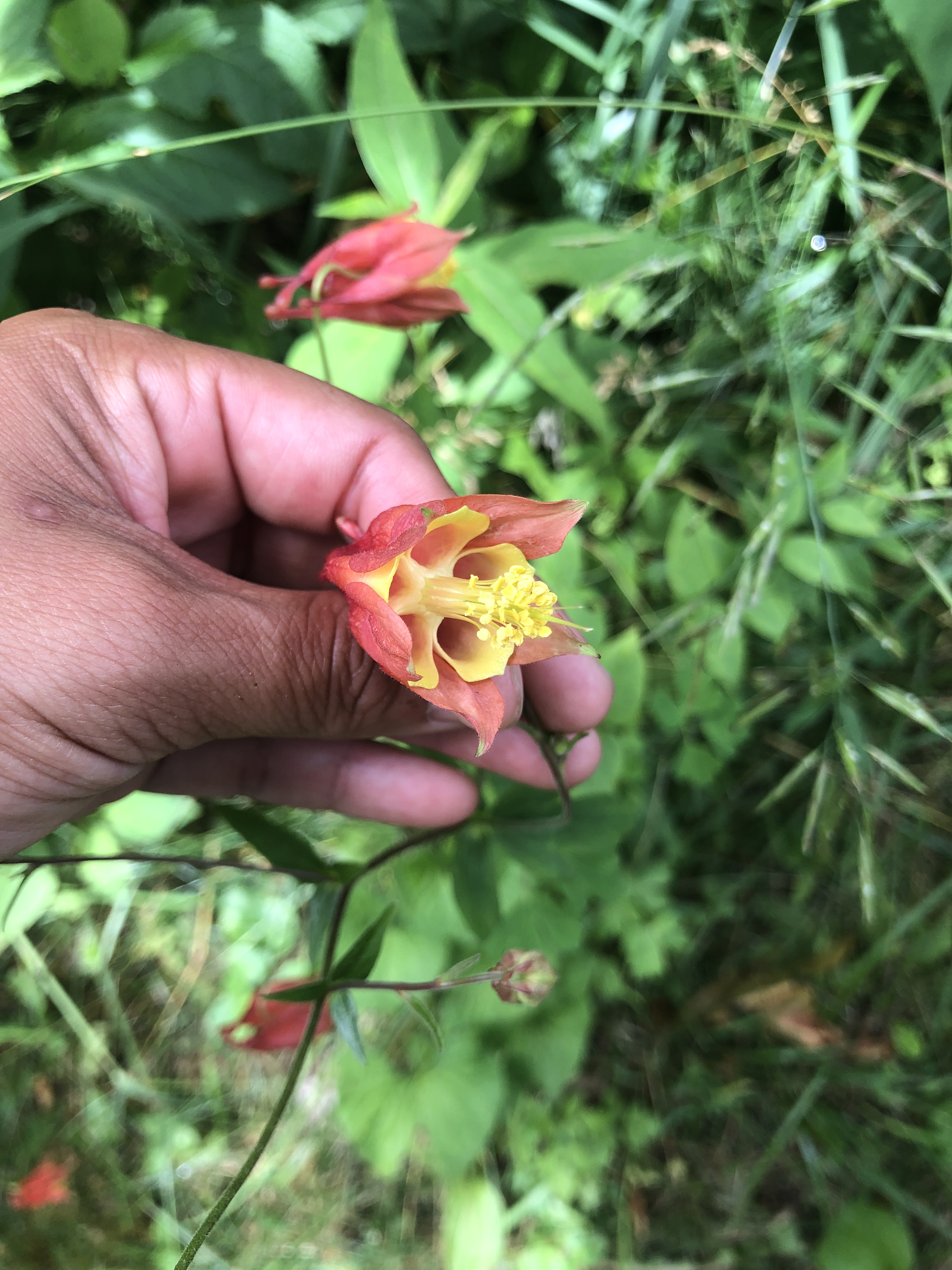
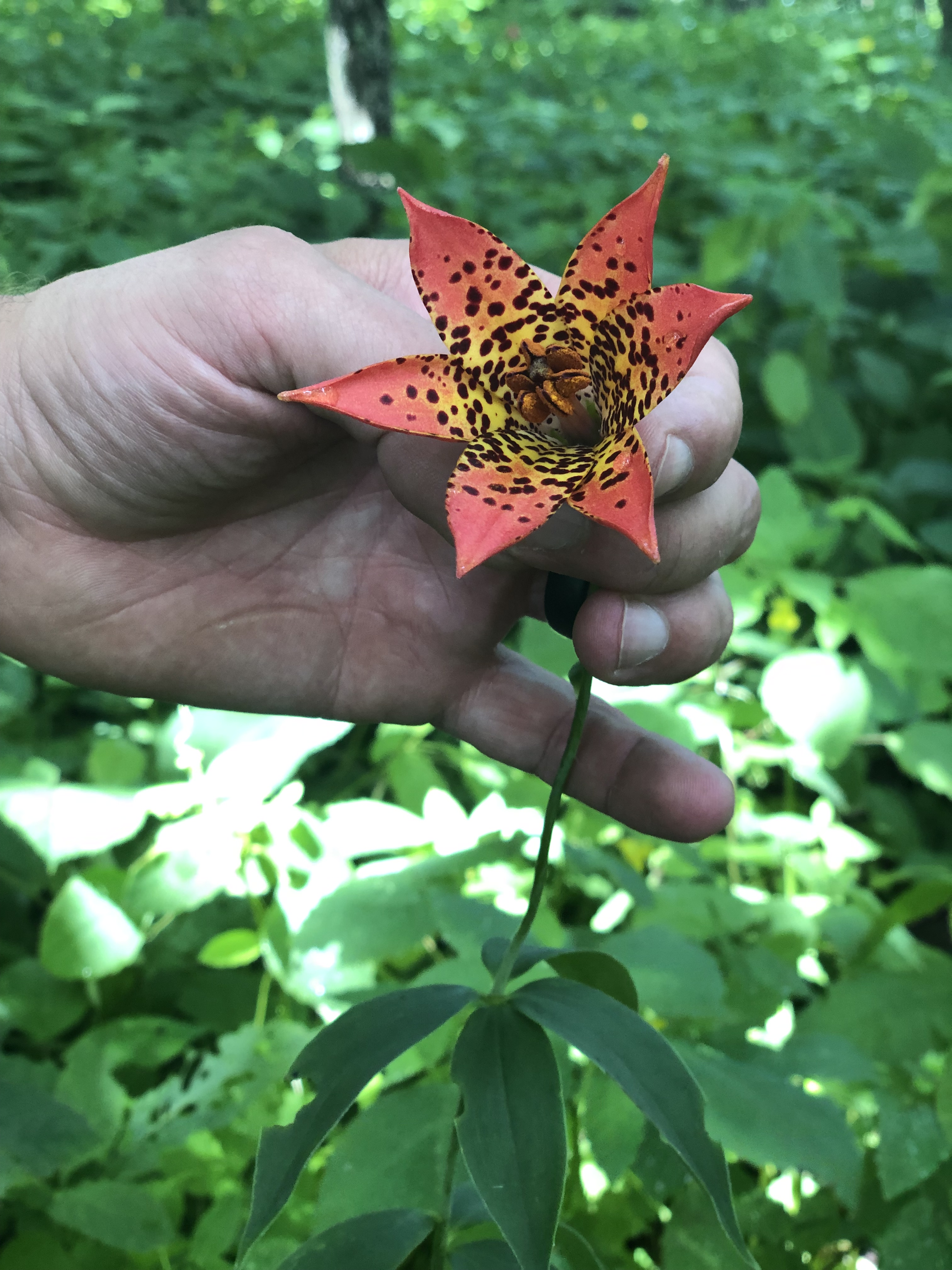
Wildflowers. We started the trail when all of the spring wildflowers were in bloom, and we still try to capture new photos of flowers as we see them. Here are a few of the new ones.

Fungi. Since we received a heavy rain at the start of Virginia, we have seen many varieties of fungus.

Special Mileage

Not all hikes are created equal. Here is a short list of variations on the traditional backpacking hike.

For some, there is only one way.

Backpack: to lug a pack (usually 15-40 pounds; my pack is between 20-25 depending on food, John’s is 25-30) on your back up and down the trail with food, gear, and supplies so you can tent or stay in a trail shelter. Maybe you make the occasional excursion into a trail town for a shower, food, and a hostel or hotel.

We backpack most of the time. John’s last post shows backpacking in blue and special days in red. Through the first 500 miles, we backpacked 419 miles and filled 81 miles with other “hiking” variations.

For the non-purist, the AT offers a lot of other options. I’m only going to detail the two we’ve used.

Slackpack: to have your pack transported down trail and walk blissfully light and free. Imagine yourself 20-30 pounds lighter. The slackpack is especially useful when injured, recovering from illness, catching up with trail friends, and on rainy days.

Our first foray into slacking was when John was injured out of Nantahala. Then for no good reason but to kick up some higher mileage days out of Hot Springs. (We did our first 20+ day slackpacking.) And then out of Damascus to avoid too many rainy days in a row.

Slackpacking requires some money and coordination, so we try to use it only occasionally. When the mouse at Carter Shelter chewed a hole into our original dry bag, we replaced it with a Sea to Summit daypack that multitasks as one of our food bags. When we slack, we take turns with the pack.

Aquablaze: to use a water source to progress on the trail.

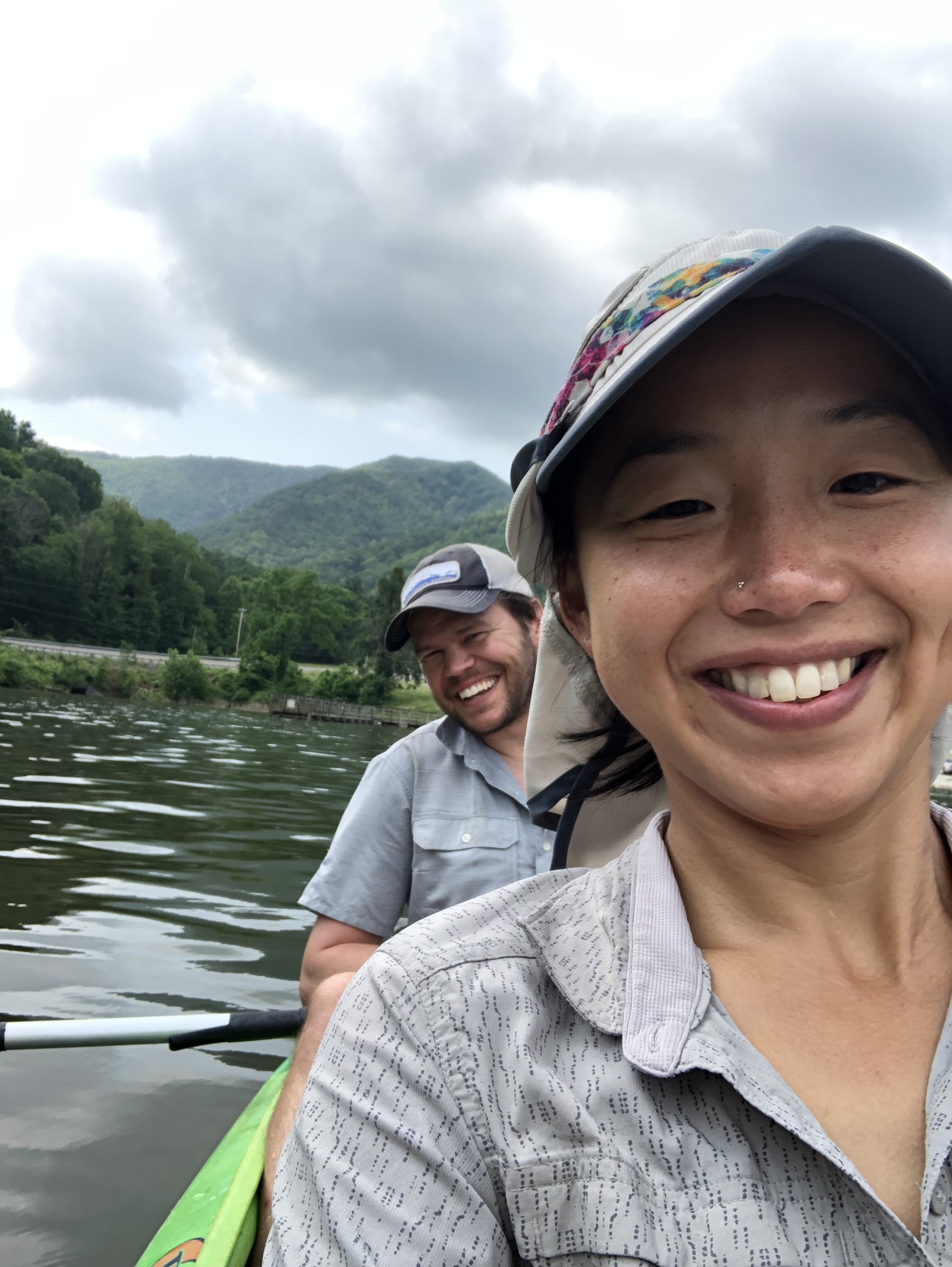
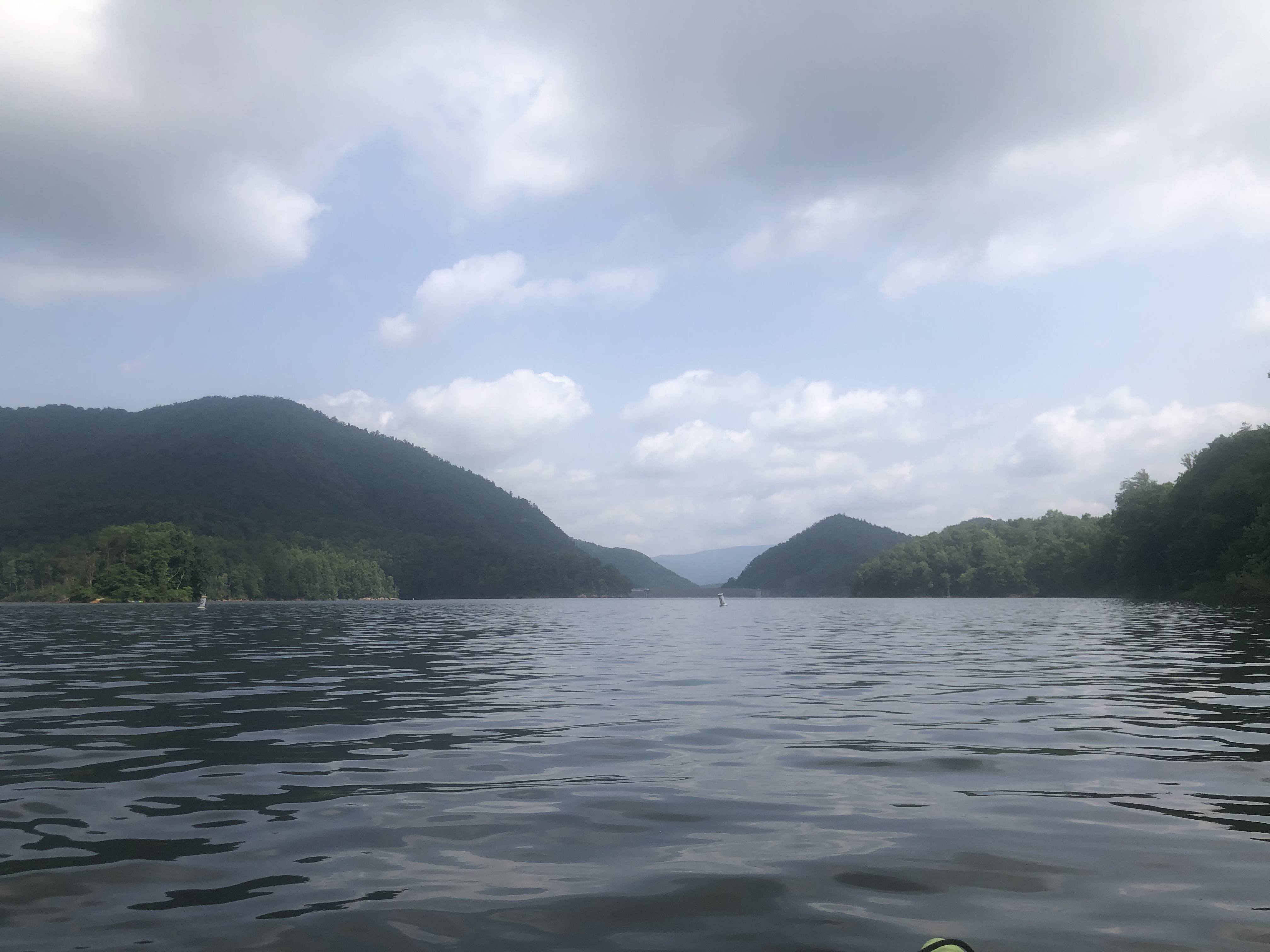
Outside of Hampton, TN, we rented kayaks and paddled across Lake Watauga. Instead of walking around the lake, we paddled 8 miles across the lake bypassing 20 miles on the trail. It gave our legs and feet a much-needed break and tested the strength (weakness?) of our atrophying arms. We swam and floated along in between paddles; it felt like a true summer day on the lake.

This option isn’t available often. There is another spot in the Shenandoah National Park where you can follow the current of the Shenandoah River. It’s a longer stretch (50 miles) and takes 2-3 days. Undecided yet if we will do it!

We are not too proud to say we slackpack or aquablaze. One goal on our trip is to enjoy our days and moments as much as possible. Some days leaving our packs behind has allowed us to achieve just that.

Walking along the ridges and valleys of North Carolina and Tennessee

Here is a handful of highlights from the last couple of weeks.

Fontana Lake

We arrived at Fontana Lake when the dam was releasing water into the Little Tennessee.

Great Smoky Mountains

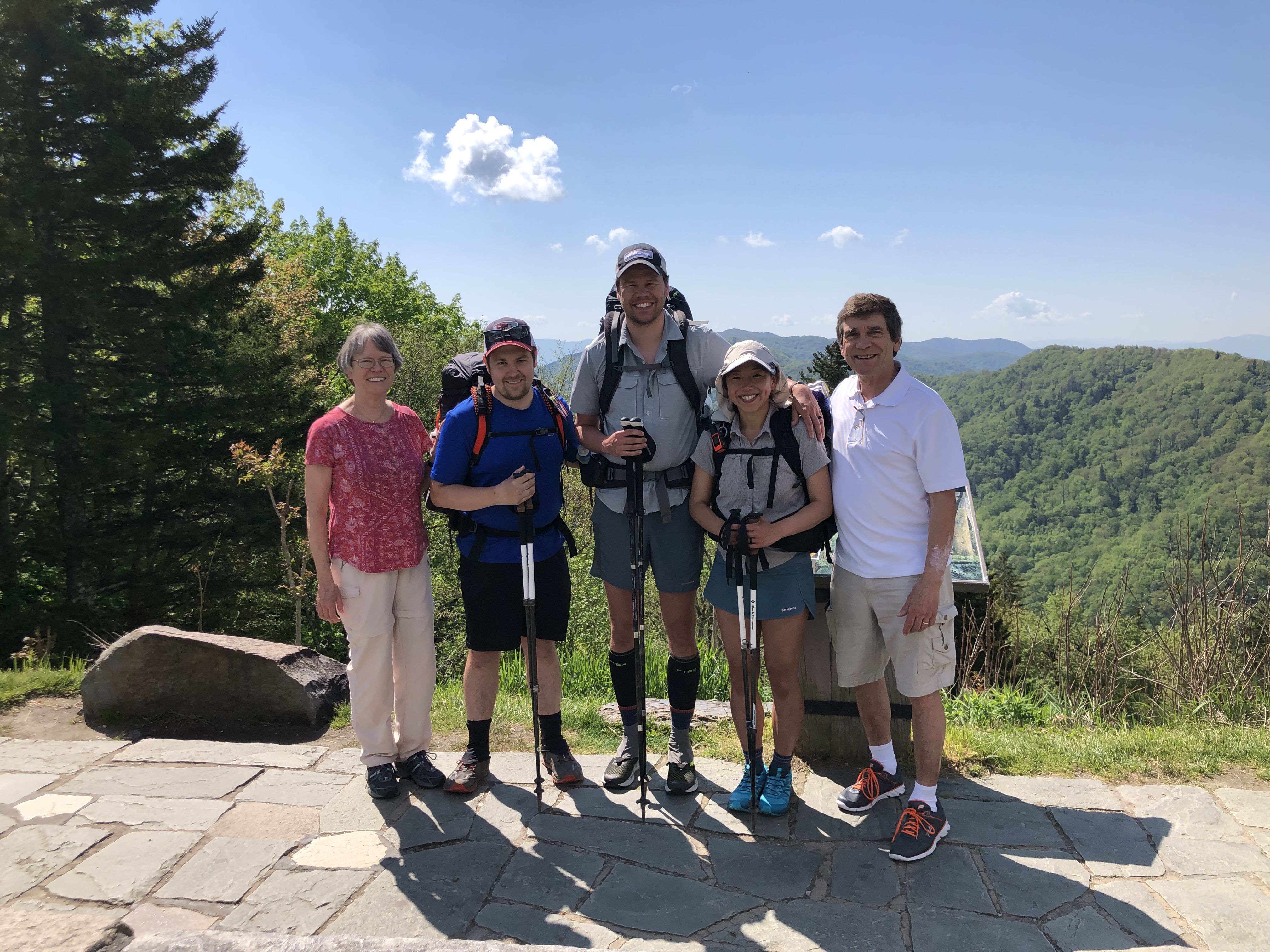
John’s parents visited us one last time and provided lots of trail magic. Here we are at Newfound Gap along with Brian.

They brought the beard trimmer for John.

Before

After

Max Patch inspired lots of napping and cartwheeling. One of our favorite spots so far.

200 mile marker

Memorable trail magic

We walked for six hours through a torrential downpour to Stecoah Gap to find a woman in a pickup offering up rides and food to hikers. Despite our best efforts at staying dry, we were cold and wet. She offered us warm pasta and snacks while we warmed up in the car. This is Janelle from North Dakota.

Big trees

Creatures, Angels, and the Hiker Reality

John and I landed in Nantahala, NC yesterday, and the last few days have been packed with people and creatures and unique experiences.

Creatures. We’ve tried to get pictures of some the creatures we see on the trail, though we still haven’t gotten a picture of the owl or the grouse that make strange noises in the night by our tent (John likes to imagine it’s actually a weird guardian angel named Ted).

This guy hitched a ride with us from the woods into our hotel room.

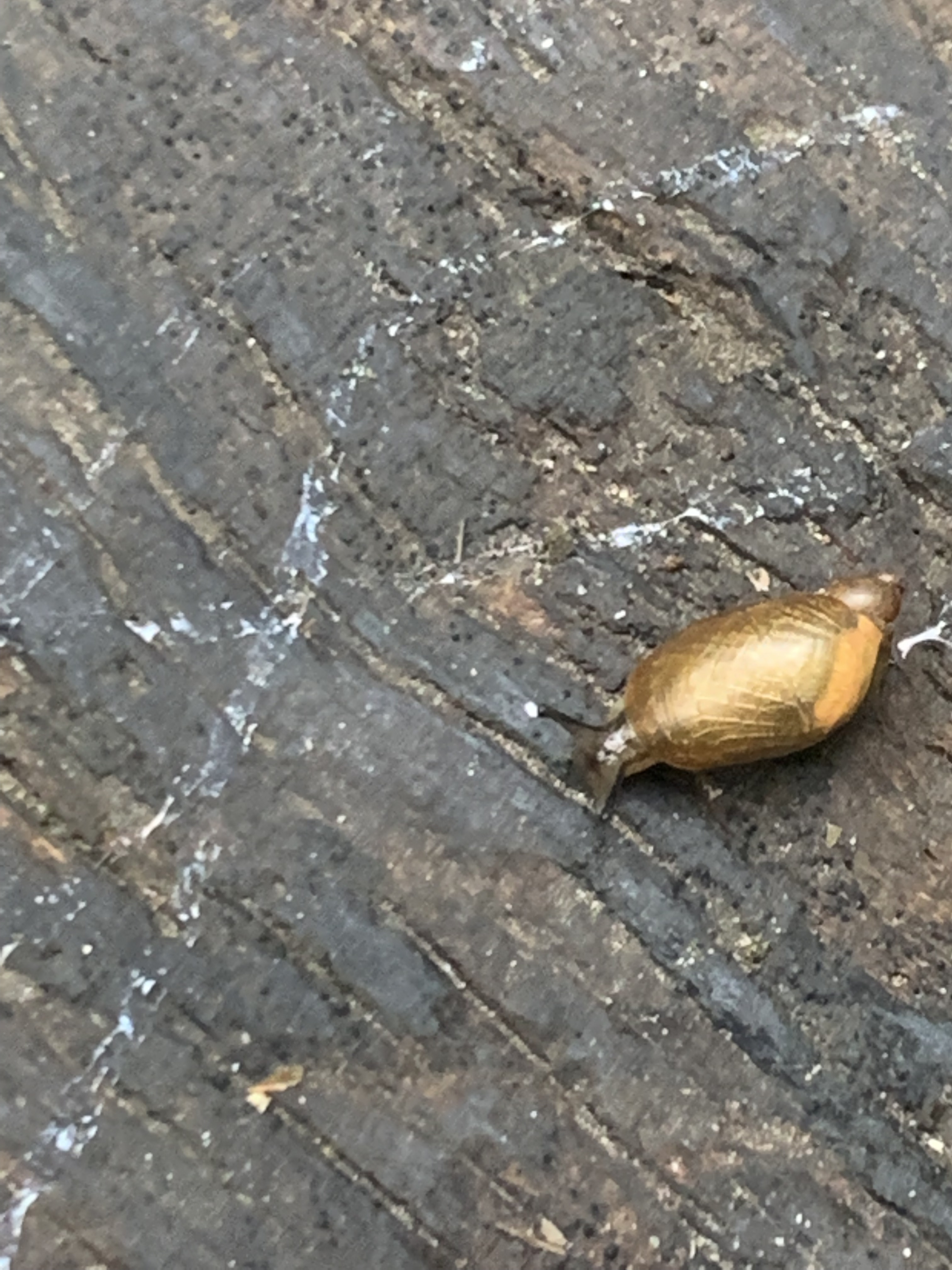
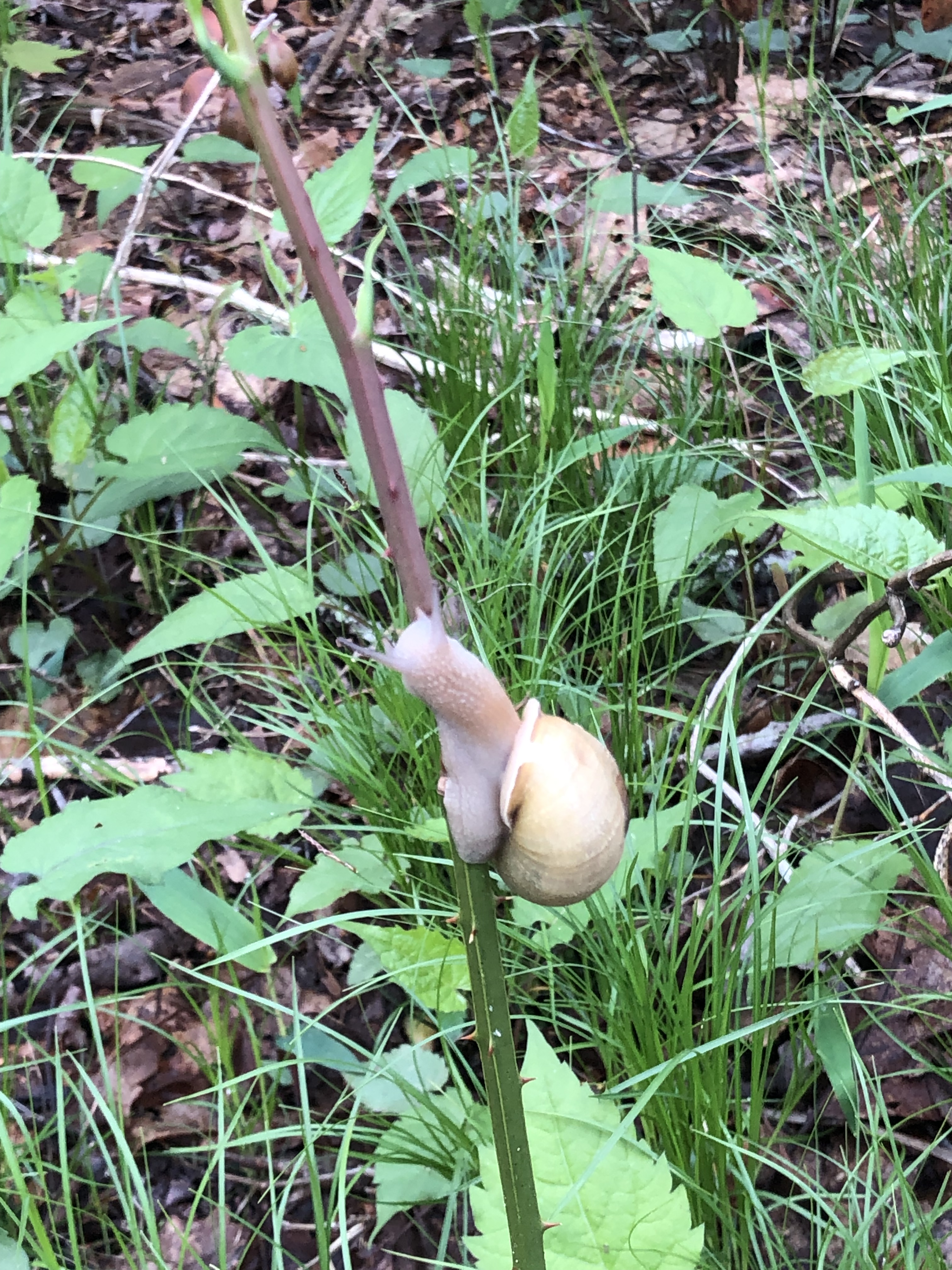
We stepped over hundreds of millipedes, centipedes, and snails.

And then the mouse that ransacked our food bag and left his calling card.

Trail Magic. When we descended the hill at Winding Stair Gap, we were greeted by two guys Jumanji and Possum who were grilling hot dogs and had a wide array of snacks for hikers. Best. Hot Dog. Ever. It wasn’t the only instance of trail angels descending on the trail, a guy named Will and his dogs met us at almost every gap with snacks.

Other kinds of trail angels (part 1). John’s parents have been rock stars coming out to visit us, setting up resupply kits, and delivering resupply kits at a few different places on the trail so far as well. It’s rare that we get to spend so much time near them, and it’s been pretty amazing to see them as we get started.

Other kinds of trail angels (part 2). For the first time in a long time, we are without our cars and without a regular pool of Lyft drivers. The AT has an underground network of drivers who will meet us at the trail and drive us into town. We met a woman named Joyce in North Georgia who spends 3-4 weeks in the Boundary Waters each year. She regaled us with stories of the 2011 fires and her narrow escape. And Jim, the former NATO commando, gave us donation only based rides around Franklin. The stories and lives of our drivers continue to enliven our trail experience.

Comical Koreans. We were descending a hill and were greeted by a group of about 10 Koreans from the Atlanta area. The driver asked me, Are you Korean? He then turned to John and the other white hiker and said with a smile, Are you Korean too? You must be half Korean.

T-Bird. At a bar in Helen, GA, we were told that someone wanted to buy us a round of drinks. That’s how we met T-Bird, a hiker at the bar who recognized us from Neels Gap. He had just retired four months ago and had been planning to hike the whole trail, but his knees weren’t having any of it and he was heading home.

Trail Family. The hiker community is a huge part of what we love about hiking. We have had to say goodbye to some friends (Chadd) and section hikers who are done their hikes (Candace, John, David, and Nate). We have found a small group to hike with now: Brian, Michelle, and Runa. Here is a pic of us along with Nate before he went home.

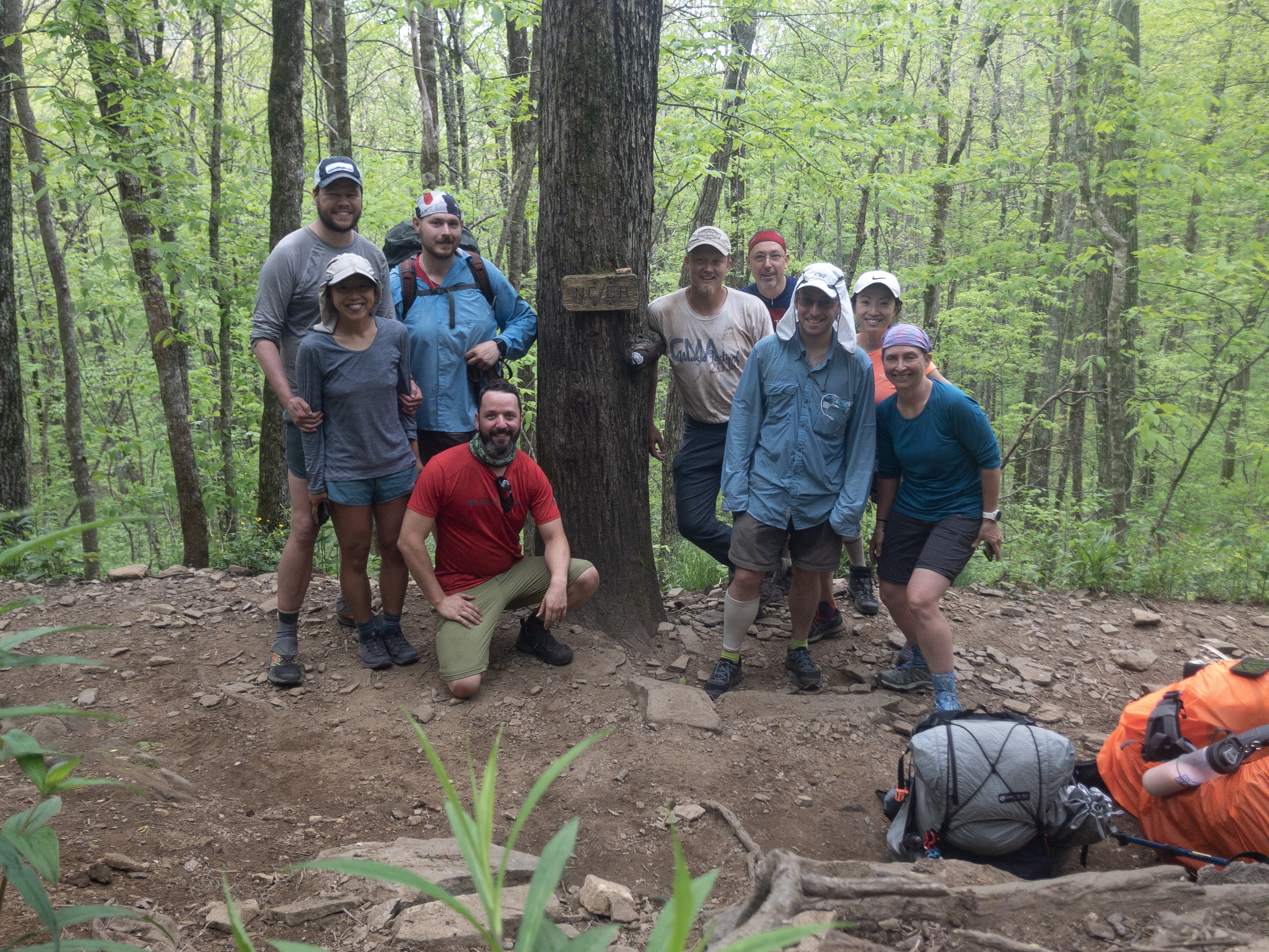
Milestones. We’ve now made it into state #2! The crossing wasn’t too thrilling, but we did celebrate with a handful of other hikers. We had a mix of section and thru hikers and the group was pretty international. Once in NC, a steep climb to the top of Albert Mountain earned us one of the most spectacular vistas of the trail so far and also landed us at mile 100! Next milestone: getting our trail legs…

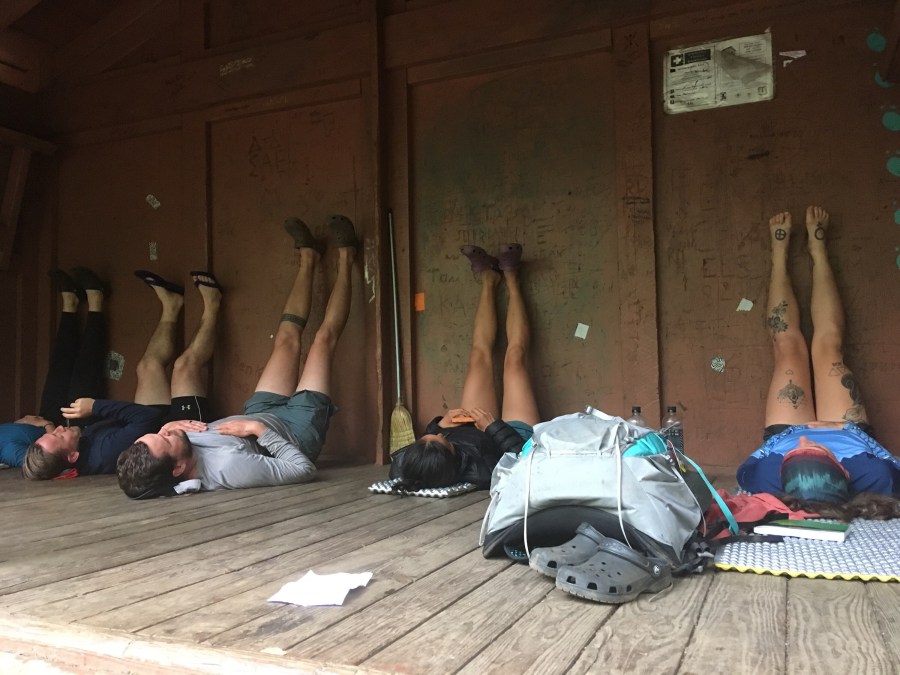
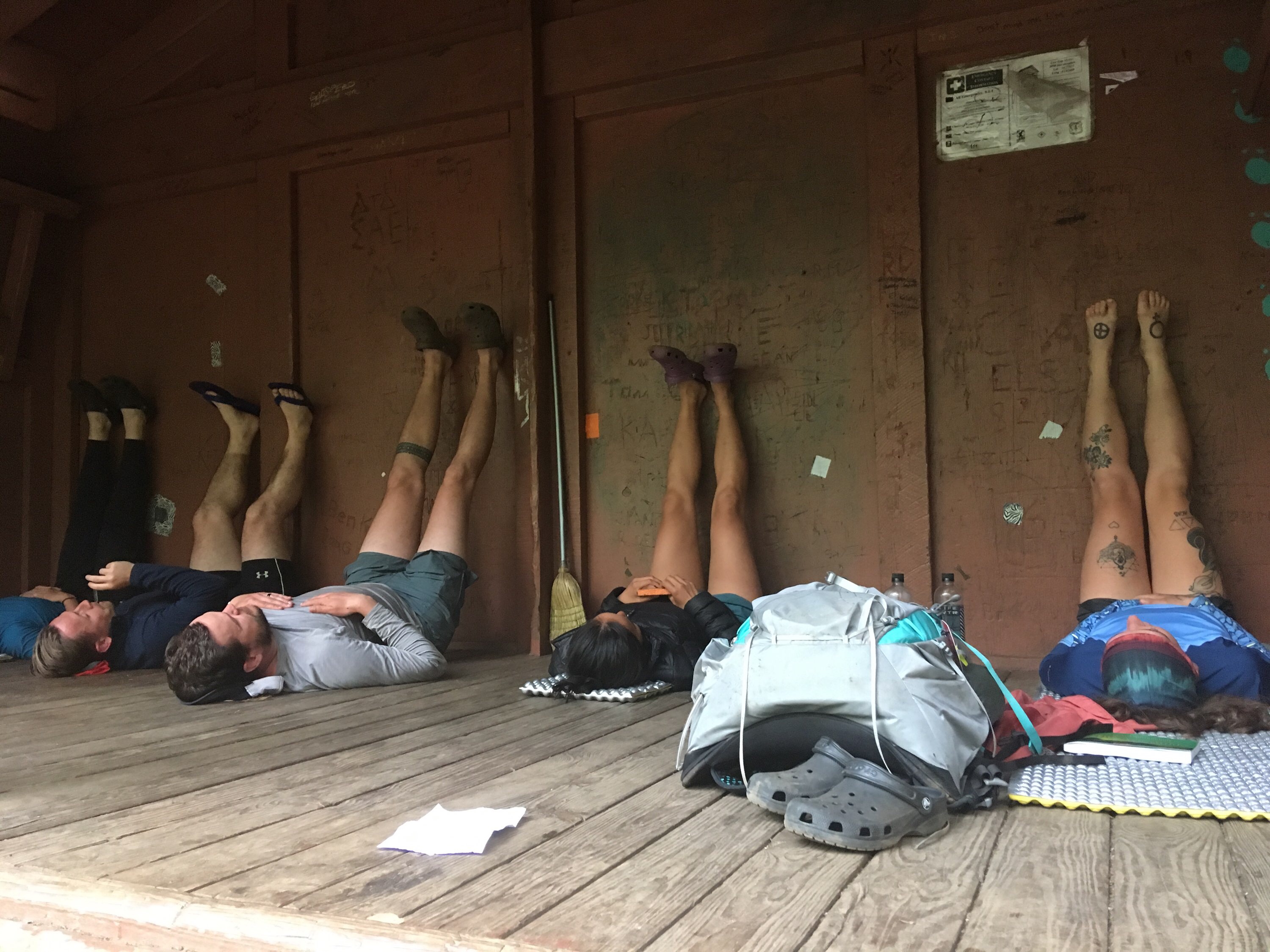
Recovery. We have tried to get into the habit of doing legs up the wall at the end of each day, sometimes over lunch as well. Others have started to join in.

When we arrived at the Nantahala Outdoor Center, the river was perfect for an ice bath. (Our trail friend Runa took this video. She has lots of videos about the AT at Runa Hikes.)
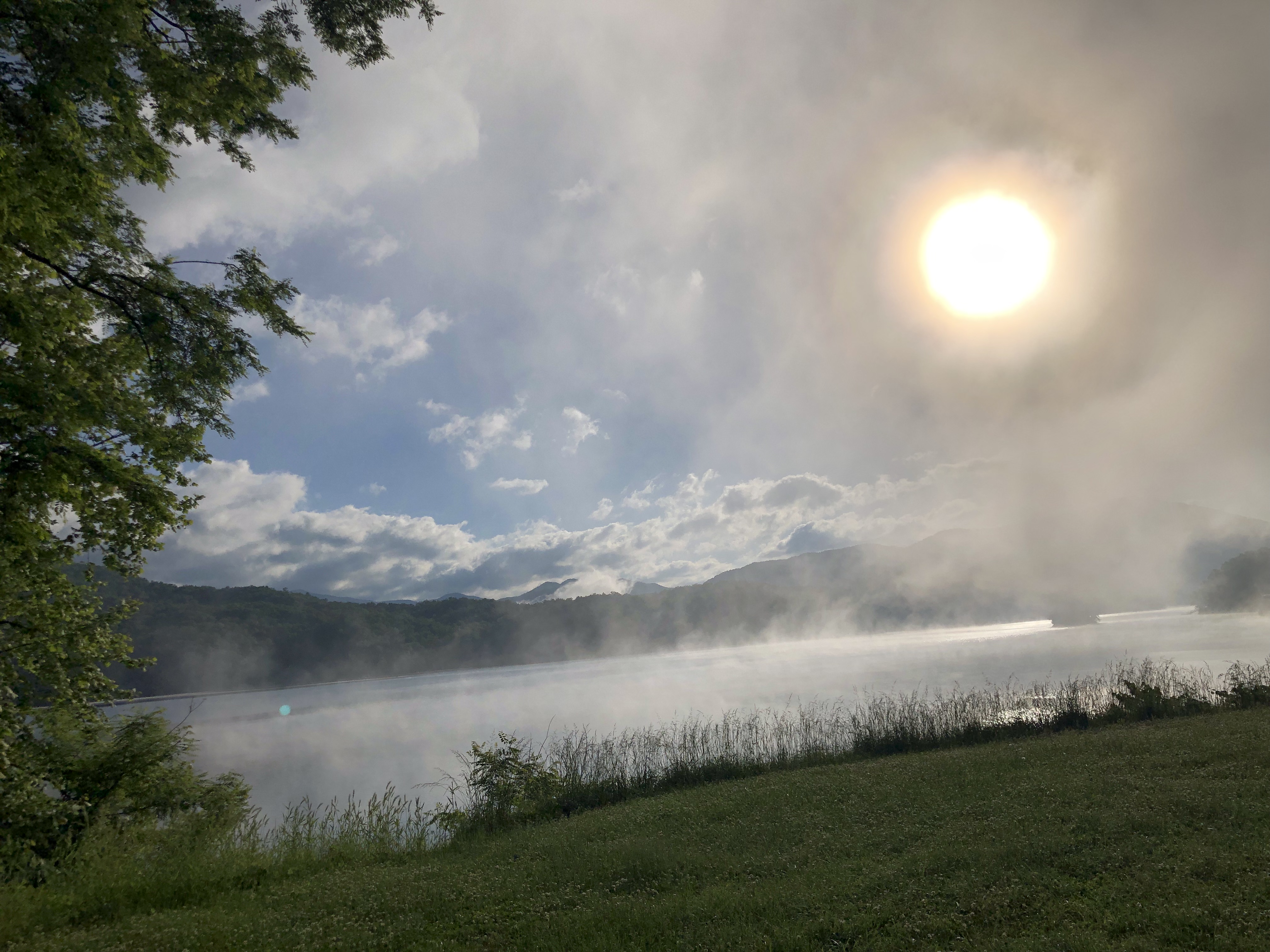
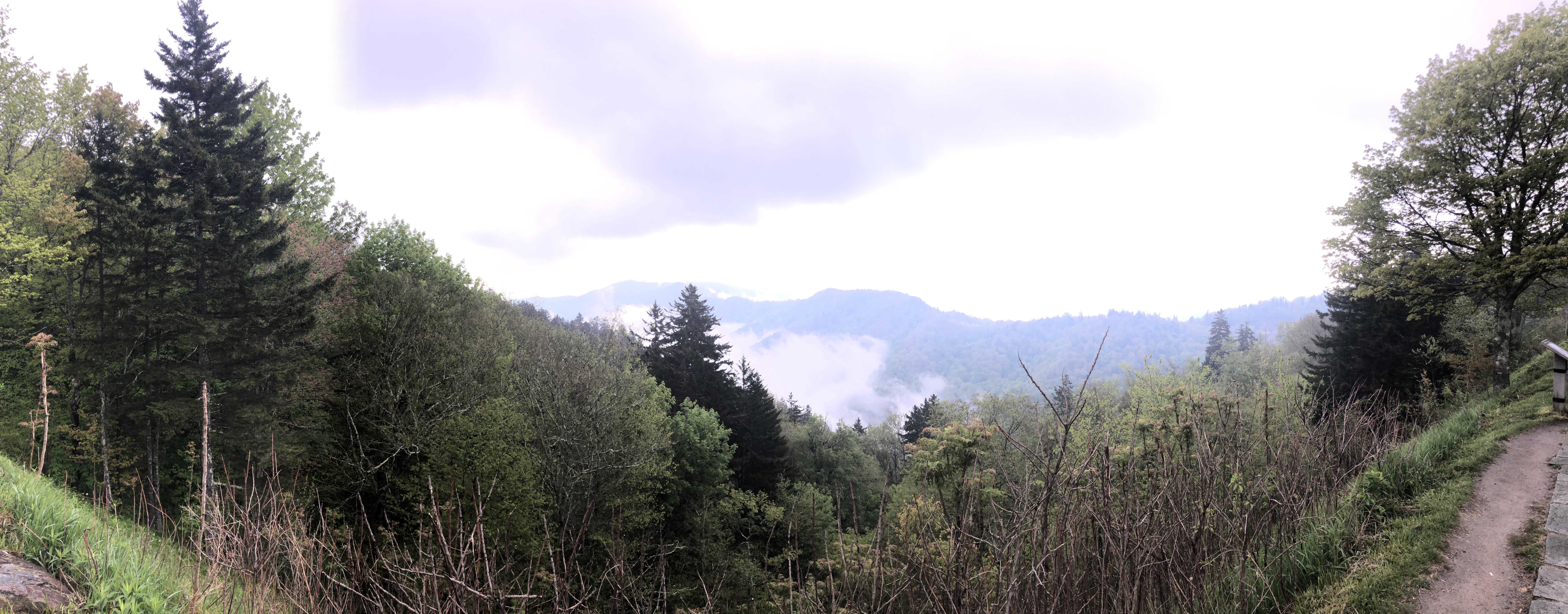
Hard days (part 1). I (Jessica) had my first hard day after Neels Gap. Being dehydrated and improperly nourished left me pretty depleted. It reminded me of a bad long run. I made it 11 or 12 miles that day but not without a lot of breaks to snack and Nuun-hydrate along the way.

Hard Days (part 2). I (John) was a wreck yesterday on the trail (that’s why we were standing in the river in the video trying to ice our legs). It turns out that my long old man legs aren’t quite ready for 16 miles in a day. As a result we’re taking our second day off today. Hoping that some rest and icy water will help with some calf and hip ouchies.

Two days and 16 miles…

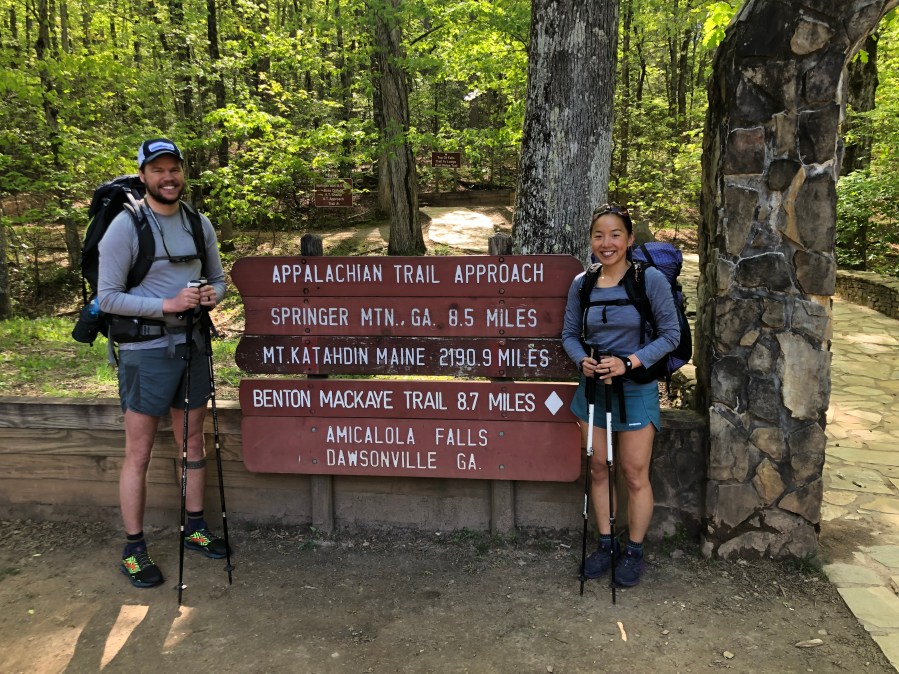
Our adventure started on Wednesday, April 24 from Amicalola Falls, aka the Approach Trail. Ranger Bob who registered us as thru hikers in informed us this would be the hardest day of the first five.

The first day began up a very large stair case with a waterfall. It felt like something between 400 repeats on the track and a heart attack.

John’s parents offered to drive our packs to the top but we decided to huff up the 600 or so stairs.

It was relatively warm day for these two Minnesotans. The heat and the effort of the climb was no joke.

When we rolled into Springer Mountain Shelter at about 3:30pm, we were pretty tired and ready for bed. After putting our feet up the walls of the shelter, we made dinner (mashed potatoes and a freeze dried meal of Chana masala) and washed up.

John has been giving me a hard time about taking a sponge on the trail (and he used to work on Scotchbrite!) but it turned out to be pretty useful in washing off the sweat and dirt after a day of hiking.

We were in our tents before sundown, around 8pm. And slept a solid 13 hours. John calls the tent Little House on the Trailie. It’s a pretty fab tent with a door on each side and a great view of the night sky if you leave the rain fly off.

Day 2 was a very green walk under a canopy of trees with the sound of running water.

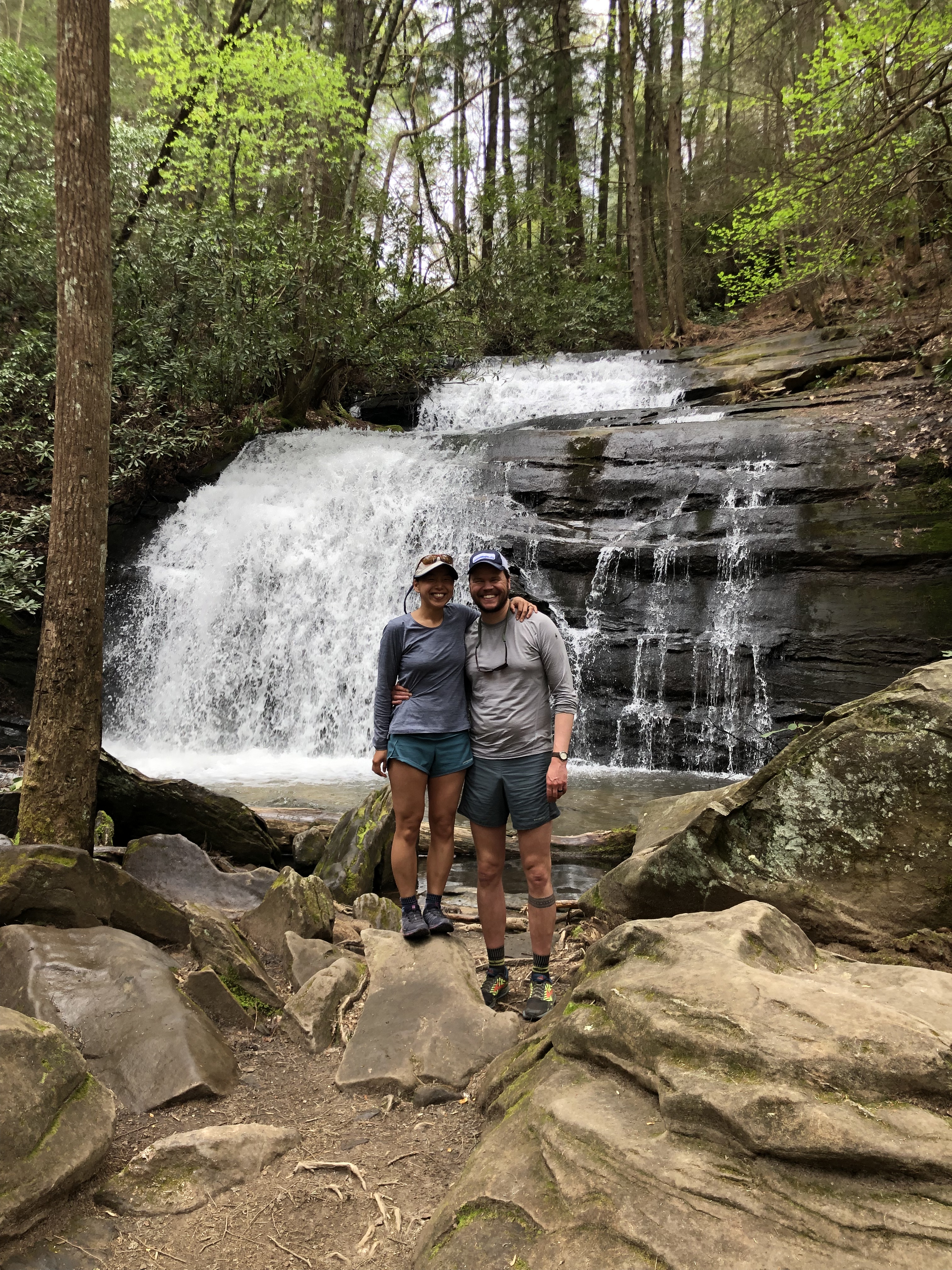
Long View Falls on Day 2. Photo taken by our soon to be trail friends, David and John.
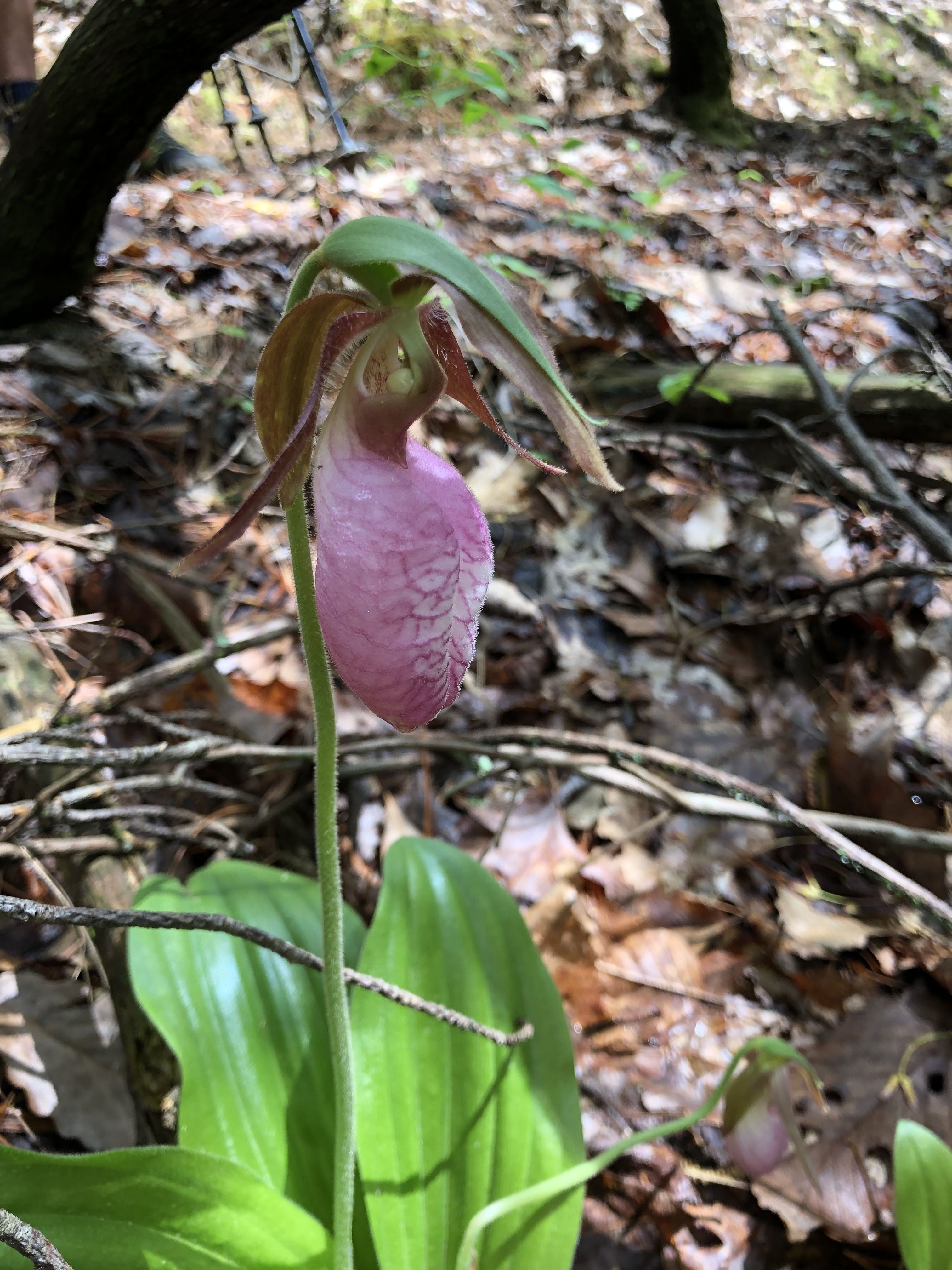
The second day of hiking was much less strenuous than the first. We decided to take our first week or so pretty easy, going around 8 miles a day, to get used to our pack weight, avoid injury, and get what hikers call our “trail legs.”

Within the first two days, it became clear that we had some food items that were too heavy for what they brought to the hike. Example: We had purchased a very large jar of almond butter that weighed in on its own at 2 pounds. Keep in mind we spent months and several hundred dollars getting rid of 3-5 pounds between our tent, backpacks, rain gear, and sleeping quilt only to be stymied by a jar of almond butter. Our food was put together somewhat hastily once we arrived in Atlanta on Monday.

We needed five days worth of food until Neel’s Gap and the amount we had was adding a fair amount of weight to our packs. Our base weights were 15 and 22 pounds respectively, but with food and first aid kit we were weighing in at 25 and 33 pounds! Our food included mashed potatoes and pre-packaged freeze dried meals for dinner, tortillas with jam and almond butter for lunch, granola bars and oatmeal for breakfast, dehydrated butter, and nuts, goldfish, and beef jerky for snacks. We also had EmergenC as our substitute fruit.

Our answer to this problem was very sensible and a bit gluttonous: eat as much almond butter as possible. We added it to our oatmeal, and John tried it in our mashed potatoes (but eventually decided against it).

We spent the second night at Hawk Mountain Shelter. The AT has shelters every 5-8 miles that give a hiker a bit of relief from the elements. There is usually a privy, a water source, and some campsites close by. I have to say that Georgia’s shelters are very nice. Because it seemed like it might rain, we spent the night in the shelter with other hikers, listening to the pitter-patter on the roof. We set up our sleeping pads and quilt in a corner and we were joined by about 8 other individuals in the two story shelter.

When we registered at Amicalola, Ranger Bob gave me 2379 and John 2380 tags to wear on our packs. This means we were the 2,379th and 2,380th people to register as thru hikers from Amicalola.We were informed that we were behind the “bubble,” the crowd of AT Northbound hikers that start from Amicolola between March and April. I mention all this because the first couple of nights and days, we have seen quite a few thru-hikers! And when you add in weekend folks and section hikers, the nights at the campsites and shelters can be lively.